NACL Industries Limited

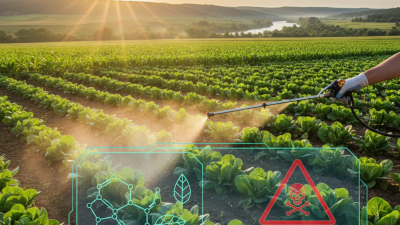
What Are the 2026 Top Pesticides for Plants?

Choosing the top pesticides for plants in 2026 requires more than comparing product popularity. It requires evidence, context, and careful judgment.

FAOSTAT’s latest pesticide-use data shows that pesticide demand varies widely by crop, climate, and farming system. A product that performs well on greenhouse tomatoes may fail against aphids on outdoor roses. The United States Environmental Protection Agency also emphasizes label directions, application limits, and environmental risk during product evaluation. These details matter in real gardens.

Resistance is another concern. The Fungicide Resistance Action Committee, Insecticide Resistance Action Committee, and Herbicide Resistance Action Committee publish guidance on rotating chemical groups. Their recommendations support integrated pest management rather than repeated use of one active ingredient. The 2024 AgbioInvestor market analysis also highlights continued growth in biological and lower-risk crop protection products. Not every newer product is automatically better.

A perfect list does not exist.

This guide evaluates widely used pesticides for plants by active ingredient, target pest, evidence, application practicality, and safety profile. It considers conventional options, microbial products, botanical treatments, and selective compounds. Readers should verify national registration, crop approval, personal protective equipment, and harvest intervals before use. Product labels remain the final authority.

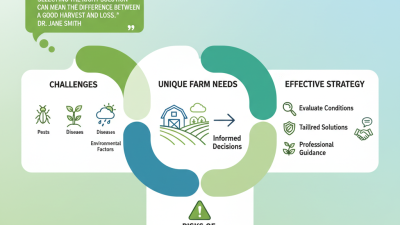
Some conclusions may change as 2026 trials, resistance reports, and regulatory decisions develop. That uncertainty deserves honesty. The strongest choice is usually the least disruptive option that controls the pest effectively. This means identifying the pest first, monitoring damage, and treating only when intervention is justified. Triangulating extension guidance, regulatory records, and independent research can produce a more dependable recommendation than a simple bestseller ranking.
What Are the 2026 Top Pesticides for Plants?

FAOSTAT Baseline: 3.7 Mt of Pesticides Used Globally in 2022

What Are the 2026 Top Pesticides for Plants?

FAOSTAT Baseline: 3.7 Mt of Pesticides Used Globally in 2022

The 3.7 million tonnes reported by FAOSTAT for 2022 provides useful global context. It does not identify one universal “top” pesticide for 2026. Crop type, pest pressure, climate, and local registration rules change the answer. A treatment used on wheat may be unsuitable for tomatoes, orchards, or greenhouse herbs.

For 2026, the most relevant pesticide groups include selective herbicides, modern fungicides, insecticides, and biological control products. Farmers increasingly compare active ingredients, not product labels. A fungicide may protect leaves after a humid night, while an insecticide may target caterpillars during early feeding. Timing matters greatly. So does accurate application.

In field work, I would inspect leaves, stems, and nearby soil before choosing a treatment. A hand lens can reveal mites that are invisible from a distance. Spraying every week is not a professional strategy. It can accelerate resistance and harm beneficial insects. Integrated pest management is usually stronger: monitor first, remove infected material, improve airflow, and treat only when thresholds justify action.

This approach is not perfect. Weather can change overnight. Pest identification can also be wrong. However, records of rainfall, symptoms, dosage, and results make future decisions more reliable. The safest 2026 choice is a legally approved option supported by current agricultural guidance, careful measuring, protective equipment, and respect for pollinators, water, and harvest intervals.

WHO Hazard Classes and EPA Registration: The 2026 Safety Filter

“What Are the 2026 Top Pesticides for Plants?” should not mean the strongest product. It should mean the most carefully screened option.

A useful 2026 filter begins with the WHO Hazard Classes. Class Ia and Ib indicate extremely or highly hazardous products. Class II means moderately hazardous. Class III means slightly hazardous, while Class U signals unlikely acute hazard under normal use.

These categories mainly address acute toxicity. They do not fully measure residues, pollinator effects, water contamination, or long-term exposure.

EPA registration adds a separate checkpoint in the United States. A registered pesticide has passed an agency review for specific uses, directions, and risk controls. The label matters. It identifies approved plants, pests, application rates, protective equipment, re-entry periods, and disposal instructions.

Registration is not a guarantee of harmlessness. It is a legal safety framework.

Read the label beside the WHO classification.

In practical garden checks, I would favor the lowest-hazard registered choice that can control the identified pest. Confirm the pest before treating a leaf with spots. A hand lens, sticky card, or damaged-root inspection can prevent unnecessary spraying.

Keep treatments away from flowering plants, ponds, children, and pets. Use gloves, eye protection, and good ventilation when the label requires them.

I would still hesitate to call any pesticide “best” without local evidence. Formulations differ, and hazard tables can miss environmental details. The filter is helpful, but imperfect.

Herbicides, Fungicides, and Insecticides: Match Products to Plant Pests

For 2026, the best pesticide is not the strongest one. It is the product matched to the pest, plant, and growth stage. Before treating, inspect leaf undersides, stems, and nearby soil. A hand lens can reveal mite stippling, fungal spores, or chewing damage. Diagnosis matters. Herbicides suit unwanted plants, not every yellow leaf. Contact herbicides work on exposed green tissue, while systemic products move through actively growing weeds. Use only a labeled formulation for the site. Shield nearby flowers and vegetables from drift. One careless application can injure roots.

Fungicides are most useful when disease is identified early. Powdery mildew looks dusty and pale; leaf spots often show dark margins or yellow halos. Remove badly infected leaves, improve airflow, and water the soil rather than the foliage. Then choose a fungicide with a suitable active ingredient and follow the label interval. Preventive products may protect clean tissue, but they rarely repair damaged leaves. Rotate chemical groups when repeated treatments are necessary. Resistance develops quietly. Gardeners often repeat one familiar treatment, then blame the weather when control fades. The product was not always the problem.

Insecticides must match the insect’s feeding habit. Aphids cluster on tender tips, caterpillars leave ragged holes, and scale insects form hard bumps. A selective product can reduce harm to bees, lady beetles, and other beneficial insects. Spray during calm, cool conditions, never on open blooms or in strong heat. Timing matters. Wear the required protective equipment, measure carefully, and store products securely. Test a small area first. Plant response can be unpredictable. Even a correct diagnosis may fail when drought, stress, or poor timing is involved. Keep treatment records, including weather and pest numbers, because memory is unreliable.

What Are the 2026 Top Pesticides for Plants?

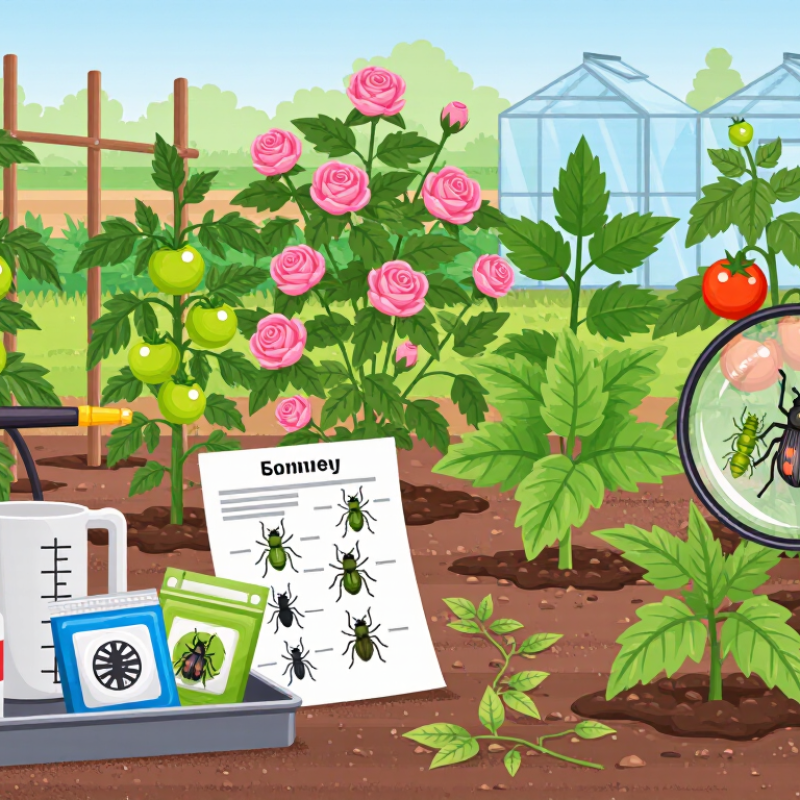
Herbicides, fungicides, and insecticides should be matched to the plant pest they are designed to control.

The chart shows the general primary target of each pesticide class. Herbicides control weeds, fungicides target fungal diseases and some oomycetes, and insecticides target insects and, depending on the active ingredient, mites. Examples of active ingredients include glyphosate and 2,4-D for weeds; copper compounds and sulfur for fungal diseases; and Bacillus thuringiensis, spinosad, and insecticidal soap for selected insect pests.

Always identify the pest first and follow the product label, because approved uses, target species, application rates, and crop restrictions vary by active ingredient and location.

IRAC, FRAC, and HRAC Codes: Rotate Modes of Action Against Resistance

In 2026, the top pesticides for plants will be chosen by performance, crop safety, and resistance risk. A familiar product can fail when the same mode of action is used repeatedly. IRAC codes classify insecticide groups. FRAC codes identify fungicide groups. HRAC codes organize herbicide modes of action. These codes matter more than product names.

Build rotations around different codes, not different package designs. For insects, avoid repeating one IRAC group across consecutive generations. For diseases, alternate FRAC groups and include effective multi-site options when permitted. For weeds, rotate HRAC groups and combine chemical control with cultivation, mulching, or competitive planting.

Mixtures require care. Both components should work against the target and have approved labels.

Scout leaves, stems, and soil before spraying. Record the pest, date, rate, weather, and code used. A simple field notebook can expose repeated patterns. Spray coverage matters too. Poor coverage may look like resistance, but the real problem could be timing or equipment. That mistake happens.

Use only registered products for the crop and pest. Follow label directions, protective measures, and local requirements. Some biological options can support a rotation, but they still need correct identification and application. A rotation may look perfect on paper, yet fail in a wet field or under heavy pest pressure. Review the plan after each treatment, and change it when field evidence disagrees.

Biopesticides and IPM: Compare Efficacy, Residues, and Pollinator Risk

What Are the 2026 Top Pesticides for Plants?

The strongest 2026 choices are not always conventional chemicals. Biopesticides, microbial products, plant extracts, and pheromone-based tools support a more targeted IPM program. Their performance depends on timing, temperature, humidity, and pest pressure. A microbial treatment may work well on young larvae but disappoint against mature insects. That gap matters in real gardens and commercial fields.

Residues deserve equal attention. FAO reported approximately 3.70 million tonnes of pesticides were used worldwide in 2022. EFSA’s 2022 European monitoring report found 96.3% of tested food samples complied with legal maximum residue limits. Compliance does not mean zero exposure. It also does not make every application environmentally harmless. Biopesticides usually present lower toxicity risks, according to the U.S. Environmental Protection Agency, but “lower risk” is not “no risk.” Some substances can still affect bees, aquatic organisms, or beneficial predators. Pollinator protection requires reading application restrictions, avoiding flowering periods, and reducing spray drift.

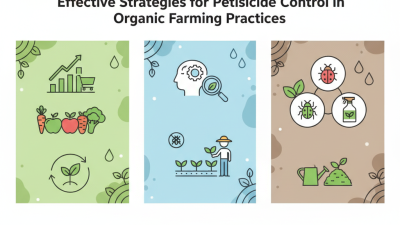
Tips: Scout leaves before treating. Check for chewing, honeydew, webbing, or fresh eggs. Use traps and weather notes. Start with sanitation, resistant plants, barriers, or biological controls. Apply a pesticide only when monitoring shows a real threshold has been reached. Rotate modes of action to slow resistance. I would not trust a “natural” label alone. Field results are often less tidy than product trials, and that is where careful records become essential.

What Are the 2026 Top Pesticides for Plants? - Biopesticides and IPM: Compare Efficacy, Residues, and Pollinator Risk

Practical comparison of widely used active ingredients and biological controls for integrated pest management (IPM). Ratings are relative and depend on the crop, pest, formulation, timing, resistance status, and local label.

Active Ingredient or Control Control Type Main Targets Typical Efficacy in IPM Residue and Persistence Profile Pollinator Risk Best IPM Use Important Limitations
Bacillus thuringiensis subsp. kurstaki (Bt) Microbial biopesticide Leaf-eating caterpillars and moth larvae High on young larvae Low residue
Breaks down relatively quickly in sunlight; not systemic.
Low
Generally selective when applied away from non-target caterpillars.
Use after scouting and before larvae become large; rotate with other modes of action. Does not control beetles, aphids, mites, or mature caterpillars effectively. Coverage is important.
Bacillus subtilis and Bacillus amyloliquefaciens Microbial biopesticide Preventive suppression of powdery mildew, Botrytis, and some foliar diseases Moderate preventively Low residue
Microbial products generally persist for a limited period and are not systemic.
Low
Normally compatible with pollinators when used according to the label.
Apply before disease becomes established and combine with sanitation, airflow, and resistant varieties. Usually less effective against advanced infections; repeated coverage may be needed.
Beauveria bassiana Entomopathogenic fungus Whiteflies, aphids, thrips, certain beetles, and other soft-bodied insects Moderate with suitable humidity and coverage Low residue
Performance is reduced by strong ultraviolet light and very dry conditions.
Low to medium
Risk is strain- and exposure-dependent; avoid direct spraying on actively foraging bees.
Use during early infestations and when environmental conditions support fungal infection. Works slowly compared with contact insecticides; requires thorough coverage and favorable conditions.
Azadirachtin Botanical insect growth regulator Aphids, whiteflies, thrips, leafminers, and immature caterpillars Moderate on immature stages Low to moderate residue
Generally degrades faster than many conventional insecticides; not reliably systemic in all uses.
Low to medium
Use caution around blooms and avoid direct contact with bees.
Use as a selective rotation product after monitoring pest life stages. Often slower and less consistent on adults or heavy infestations; may cause plant injury on sensitive crops.
Insecticidal soap (potassium salts of fatty acids) Contact insecticide Aphids, whiteflies, mealybugs, mites, and young soft-bodied pests Moderate with direct contact Very low residue
No meaningful long-term activity after the spray dries.
Low after drying; direct wet-spray contact can harm bees. Spot-treat localized infestations and repeat only when monitoring shows continued pests. Must contact the pest; can burn foliage, especially in heat, drought, or on sensitive plants.
Horticultural oil (highly refined mineral oil) Physical contact control Scale insects, mites, aphids, whiteflies, and some overwintering eggs High with complete coverage Low residue
Primarily acts by suffocation and has limited residual activity.
Low after drying; avoid direct application to foraging pollinators and open flowers. Use dormant or summer applications when scouting confirms susceptible stages. Can cause phytotoxicity when mixed with incompatible products or applied during heat, drought, or freezing conditions.
Spinosad Fermentation-derived insecticide Thrips, leafminers, caterpillars, and some beetle larvae High on labeled pests Low to moderate residue
Photodegrades on plant surfaces but may remain active longer in protected areas.
High when wet
Highly toxic to bees exposed to fresh spray; risk declines substantially after drying.
Reserve for confirmed infestations; spray at dusk or when pollinators are not foraging and never treat open blooms. Repeated use can select for resistance; avoid runoff into aquatic systems and follow strict label directions.
Sulfur Mineral fungicide and miticide Powdery mildew, rusts, and some mites High for many surface fungal diseases Low residue but persistent mineral
Does not readily volatilize from all surfaces and can remain in soil.
Low direct pollinator toxicity in many uses, but avoid spraying flowers and foraging insects. Use preventively or at the first sign of disease; integrate with resistant cultivars and canopy management. May injure plants in hot weather and is incompatible with some oils when applications are too close together.
Copper compounds (fixed copper formulations) Mineral fungicide and bactericide Leaf spots, bacterial diseases, downy mildew, and some fruit diseases Moderate to high preventively Persistent mineral residue
Copper does not degrade like organic pesticides and may accumulate in soil after repeated use.
Low direct pollinator risk when used correctly and away from blooms. Apply before infection periods and combine with sanitation, pruning, resistant varieties, and weather-based forecasting. Cannot cure advanced infections reliably; repeated use may damage foliage and increase soil copper levels.
Potassium bicarbonate Low-residue fungicide Powdery mildew and selected surface fungal diseases Moderate on early infections Very low residue
Acts mainly on the leaf surface and has limited persistence.
Low when used according to the product label. Use at the first sign of powdery mildew alongside improved airflow and removal of infected tissue. Coverage and repeat applications are important; excessive concentration may cause leaf burn.
Beneficial nematodes (Steinernema and Heterorhabditis species) Biological control organism Soil-dwelling larvae, grubs, fungus gnat larvae, and selected root pests Moderate to high when matched to the target pest No conventional chemical residue
Living organisms require suitable soil moisture and temperature.
Very low
They are applied to soil and are not intended to affect pollinators.
Apply to moist soil during the correct pest stage, then protect the treated area from drying. Ultraviolet light, dry soil, unsuitable temperatures, and incompatible chemicals can reduce performance.
Pyrethrins Botanical broad-spectrum insecticide Flying and crawling insects, including aphids, whiteflies, and some beetles High rapid knockdown Low to moderate residue
Usually breaks down relatively quickly in sunlight, but activity varies by formulation.
High
Highly toxic to bees on direct exposure; avoid flowers and active pollinator periods.
Use only for targeted, justified outbreaks and apply when pollinators are absent. Broad-spectrum activity can harm beneficial insects and may contribute to pest resurgence or resistance.
Glyphosate Systemic herbicide Many annual and perennial weeds High on actively growing susceptible weeds Low to moderate surface residue; soil binding varies
Do not assume that low volatility means no environmental persistence.
Low direct toxicity to adult bees in many assessments, but drift and weed removal can reduce forage and habitat. Use spot treatment, mulch, hand removal, or mechanical control first; shield desirable plants and avoid drift. Non-selective: spray can injure or kill desirable vegetation. Follow local restrictions and label requirements.

IPM priority: Identify the pest, monitor thresholds, improve plant health and habitat, use mechanical or biological controls first, and select the narrowest effective pesticide only when necessary. Always follow the current local label, pre-harvest interval, protective-equipment requirements, and pollinator-protection instructions.

Contact Us

Reach out to our dealer network