How to Choose Effective Crop Protection Solutions for Your Needs?
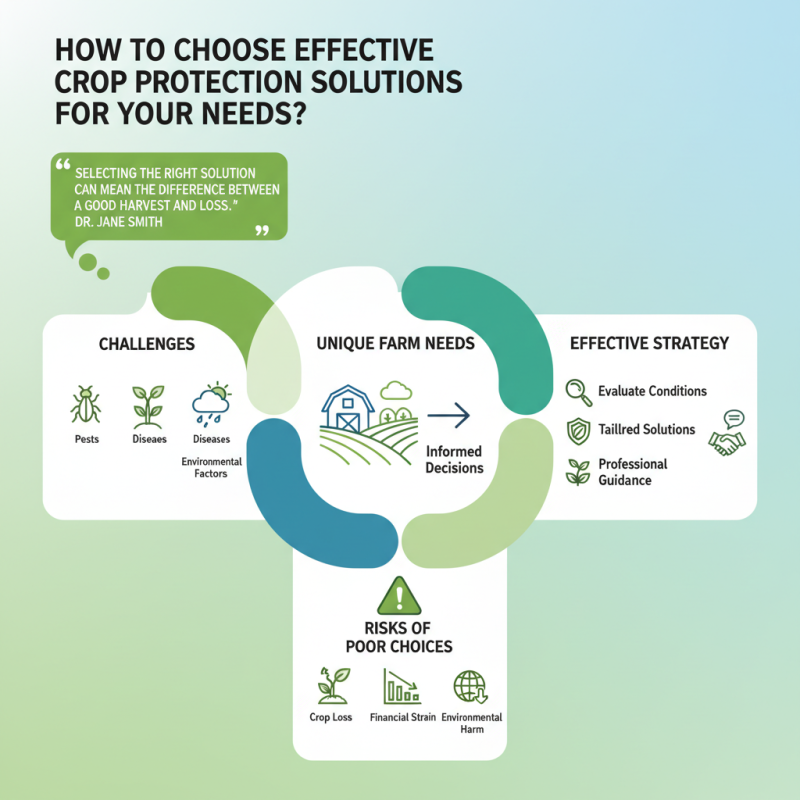
Choosing effective crop protection solutions is crucial for modern agriculture. Dr. Jane Smith, a leading expert in crop protection, once stated, "Selecting the right solution can mean the difference between a good harvest and loss." Her insight highlights the importance of informed decisions in this field.
Farmers face many challenges. Pests, diseases, and environmental factors threaten crops. Each farm has unique needs. Understanding these needs is essential for selecting the right crop protection products. It's not just about applying chemicals; it's about sustainability and effectiveness.
Effective crop protection requires careful consideration. Farmers should evaluate their specific conditions. An expert may recommend tailored solutions based on field assessments. It's vital to be aware of potential repercussions from poor choices. Mistakes can lead to crop loss, financial strain, and environmental harm. Always seek professional guidance to ensure that your crop protection strategy aligns with your goals.
Understanding the Importance of Integrated Pest Management in Crop Protection
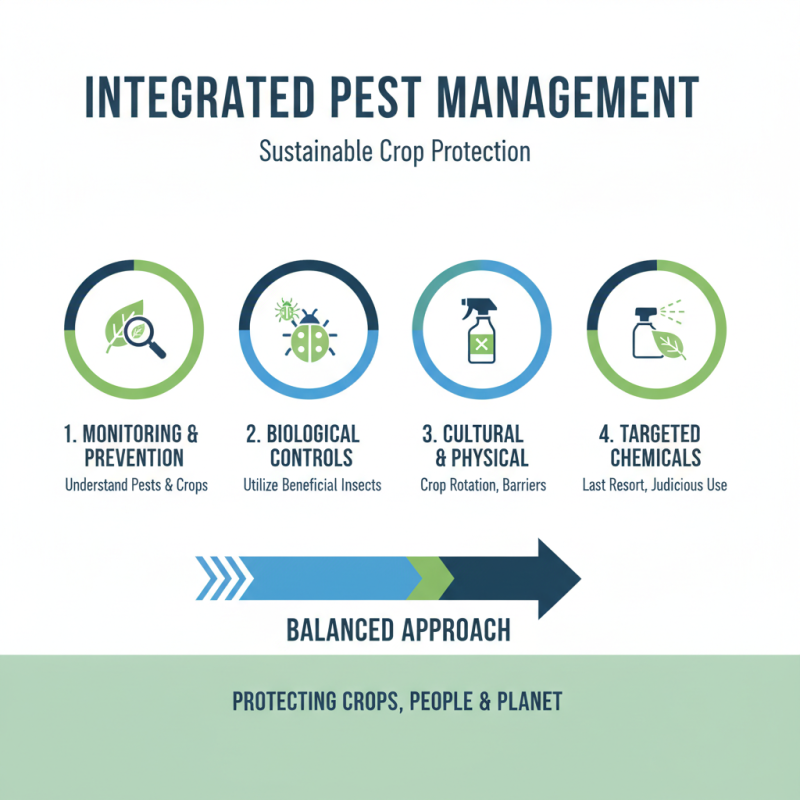
Integrated Pest Management (IPM) is essential for effective crop protection. It combines various strategies to manage pests sustainably. Farmers must understand the balance between different methods. Relying solely on chemical pesticides is no longer viable. That approach can harm beneficial insects and the environment.
IPM emphasizes preventive measures. Crop rotation, companion planting, and habitat manipulation are key strategies. These methods can disrupt pest life cycles. Farmers should regularly monitor their fields for pest activity. Identifying the right pests is crucial. This process can be time-consuming but ultimately rewarding.
Incorporating biological control methods is also vital. Natural predators can regulate pest populations without chemicals. Yet, implementing IPM often requires a mindset shift. Some farmers may hesitate to adopt these practices. Exploring new techniques can be daunting. However, the long-term benefits outweigh the initial challenges. Farmers must be willing to adapt for sustainable farming.
Assessing Crop Needs: Identifying Pests and Disease Risks for Your Area
Identifying pests and disease risks is crucial for effective crop protection solutions. Every region has unique challenges influenced by climate, soil type, and crop varieties. Understanding local pest populations can help farmers make informed decisions. Monitor signs of pest activity regularly. Look for damaged leaves or unusual growth. Simple observations can save crops from major losses.
Additionally, consider seasonal fluctuations. Certain pests emerge at specific times. For example, aphids may appear in spring, while fungal infections can spike in damp autumn months. Keeping records of past infestations can reveal patterns. Use this data to assess risks for future planting seasons. Reflect on areas where previous strategies failed. Was the timing off? Were the right products used?
Consult local agricultural experts for valuable insights. They possess knowledge about common threats in your area. Engaging with the farming community can also provide practical experiences. Share challenges faced in pest control. Collaboration may lead to discovering alternate solutions. The goal is to protect crops while minimizing harm to beneficial insects. Understanding your environment is key to successful crop management.
Crop Protection Solutions
Effective Crop Protection Solutions: Pest and Disease Risks
Evaluating Crop Protection Methods: Chemical, Biological, and Cultural Approaches
When considering crop protection methods, you should explore chemical, biological, and cultural approaches. Each method has its own advantages and challenges. Chemical solutions are widely used due to their effectiveness. However, relying solely on chemicals can lead to resistance in pests over time. It's essential to evaluate their long-term impact on soil health and beneficial organisms.
Biological methods employ natural predators or pathogens to control pests. These methods can be sustainable, but they often take longer to show results. It’s critical to understand the local ecosystem before implementing biological strategies. Cultural practices, like crop rotation and intercropping, can reduce pest populations naturally. They require planning and labor but often yield better soil quality and reduce dependency on chemicals.
Tips for effective implementation include regular monitoring of pest populations. Knowing when to act can save resources. Diversification of crops can enhance resilience against pest outbreaks. Limit your use of any single approach. A combination of methods often works best. This holistic strategy can protect the environment while ensuring crop yield. Remember, each farm is unique, and what works for one may not work for another.
Analyzing Cost-Effectiveness: Balancing Efficacy and Economical Solutions
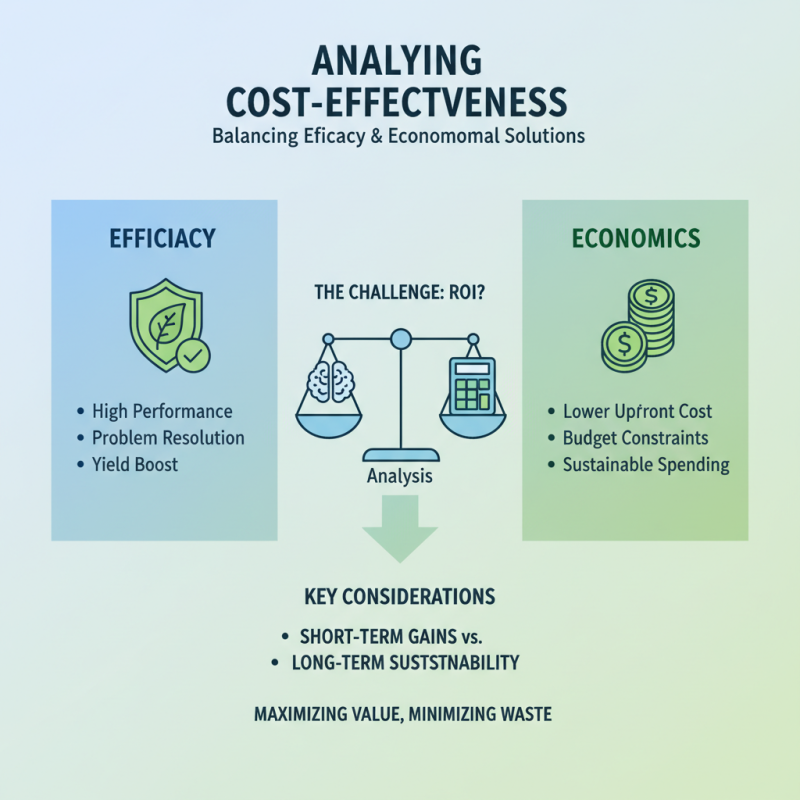
When selecting crop protection solutions, cost-effectiveness is paramount. Farmers often face budget constraints. Balancing high efficacy with lower costs can be a challenge. Many products claim to deliver results, but not all are affordable. Analyzing the return on investment is essential. What works best in the short term might not be sustainable long term.
Consider the circumstances of your crops. Different pests require different strategies. A solution effective for one may not be for another. Investing in comprehensive data can help. Trials and local research assist in understanding which solutions are truly effective. Sometimes, cheaper products have hidden costs. They might require multiple applications, leading to increased expenses.
Choosing a solution shouldn’t be solely based on price. Evaluating overall performance is critical. However, many overlook this aspect. Compromises often occur. A farmer might choose a cheaper option that ultimately fails. Reflection on outcomes can guide future choices and strategies. Every selection should consider both immediate results and future implications.
Monitoring and Adjusting: Implementing a Feedback System for Crop Protection
Implementing a feedback system is crucial for effective crop protection. Farmers often face challenges like pests and diseases that can affect yields. Monitoring is essential. Research shows that timely interventions can improve crop health by up to 30%. Regular monitoring helps in understanding pest populations and their life cycles.
Using data analytics can enhance these monitoring efforts. An effective feedback system allows for real-time adjustments. For instance, a study indicated that integrating weather data can reduce pesticide usage by 25%. This reduction not only saves costs but also minimizes environmental impact. Yet, not all farmers utilize these technologies. Some hesitate due to perceived complexity or costs.
Training is needed to improve adoption. Workshops can enhance skills in data interpretation. Moreover, growers should reflect on past experiences. What worked? What didn't? These reflections can guide future decisions. Continuous learning is key to adapting crop protection strategies effectively.
How to Choose Effective Crop Protection Solutions for Your Needs? - Monitoring and Adjusting: Implementing a Feedback System for Crop Protection
| Crop Type |
Pest/Disease |
Protection Method |
Monitoring Frequency |
Adjustment Feedback |
| Corn |
Corn Rootworm |
Insecticide Application |
Weekly |
Adjust dosage based on pest population |
| Wheat |
Powdery Mildew |
Fungicide Spray |
Bi-weekly |
Monitor weather conditions for optimal timing |
| Soybean |
Soybean Cyst Nematode |
Crop Rotation |
Seasonal |
Assess yield impact and adjust rotation plan |
| Tomato |
Tobacco Mosaic Virus |
Resistant Varieties |
During Planting |
Evaluate effectiveness and switch varieties if necessary |