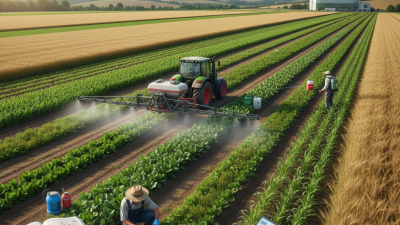
Top 10 Pesticides in Agriculture You Should Know About?
Understanding pesticides in agriculture is crucial for modern farming. These chemicals play a significant role in crop protection, ensuring food security worldwide. Farmers rely on them to combat pests and diseases that threaten yields. However, the use of pesticides is not without concerns.
While they can enhance productivity, there are potential risks to human health and the environment. Some pesticides have been linked to negative effects on biodiversity and soil health. It's essential to recognize the need for responsible usage and safer alternatives.
The top 10 pesticides in agriculture highlighted in this article reflect both efficacy and safety. Each pesticide carries unique characteristics, suited for different agricultural challenges. Understanding these nuances helps in making informed choices for sustainable practices. Thus, it’s vital to consider both the benefits and drawbacks of these chemicals in our pursuit of efficient farming.
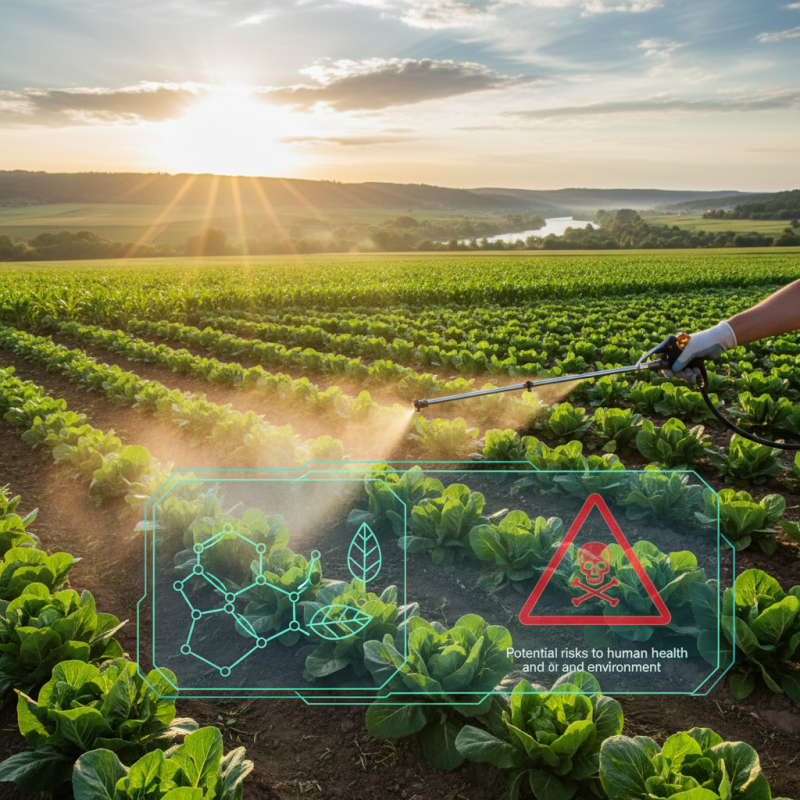
Top 10 Pesticides Used in Global Agriculture: An Overview
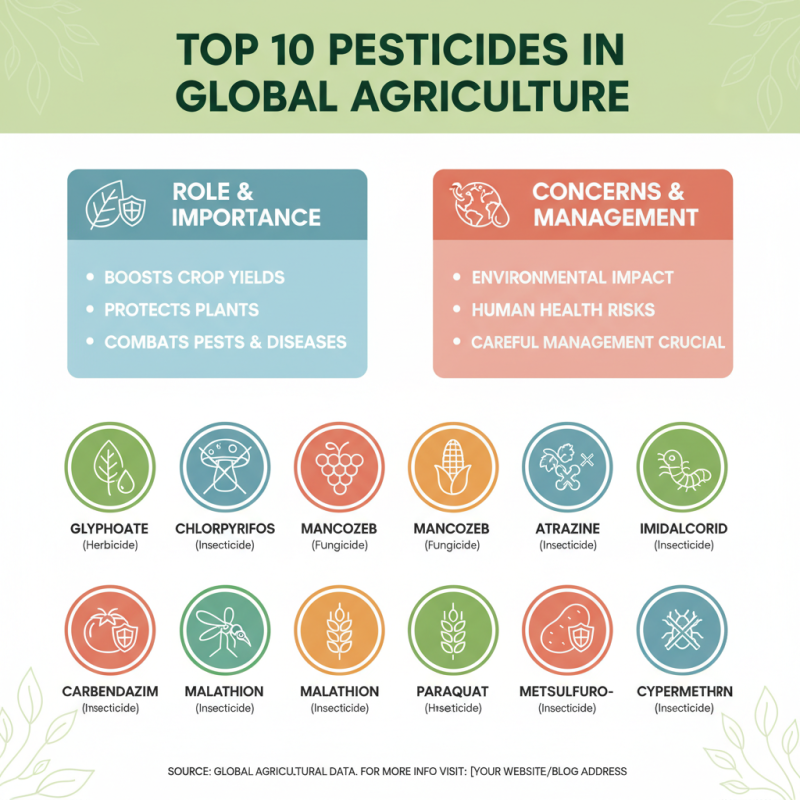
Pesticides play a vital role in global agriculture by enhancing crop yields and protecting plants. Farmers rely on these substances to combat pests and diseases. Yet, the widespread use of pesticides raises concerns about environmental impact and human health. Each pesticide has a distinct function and must be managed carefully.
Neonicotinoids, for example, target specific insects but have been linked to declining bee populations. This has spurred debates on sustainability and ecosystem health. Herbicides help control weeds, but their overuse can lead to resistant weed species and reduced biodiversity. Regulatory bodies monitor these chemicals to mitigate risks.
The efficacy of pesticides often comes with trade-offs. Integrated Pest Management (IPM) promotes combining biological control with chemical approaches, yet finding the right balance is challenging. Education on pesticide safety is essential for both farmers and consumers. Choices made in agriculture today will affect the food systems of tomorrow.
Impact of Glyphosate on Crop Yield and Human Health Concerns
Glyphosate is a widely used herbicide in agriculture. It targets annual weeds but raises concerns. Studies show its impact on crop yield is mixed. Some growers report increased productivity, particularly in glyphosate-tolerant crops. Others argue that over-reliance can lead to weed resistance, ultimately harming yields. This creates a complex scenario for farmers debating its use.
Health concerns surrounding glyphosate are significant and deserve attention. Although regulatory agencies often deem it safe, many studies link glyphosate exposure to various health issues. Some suggest potential carcinogenic effects with long-term exposure, raising questions about safety for farm workers and consumers. Farmers must balance the benefits of herbicide use with the potential risks to health. This ongoing discourse shows the need for comprehensive research and transparency in agricultural practices. The agricultural community must reflect on these issues to make informed decisions.
Top 10 Pesticides in Agriculture You Should Know About
| Pesticide Name | Active Ingredient | Primary Use | Impact on Crop Yield | Human Health Concerns |
|---|---|---|---|---|
| Glyphosate | N-(phosphonomethyl)glycine | Weed Control | Increases yield by reducing weed competition | Linked to certain cancers, potential endocrine disruptor |
| Chlorpyrifos | Organophosphate | Insecticide | Effective against a wide range of pests | Neurological effects in children, potential hormone disruption |
| Atrazine | Triazine | Herbicide | Widely used, enhances maize yield | Potential carcinogen, reproductive risks |
| Neonicotinoids | Nikotine analogs | Insecticide | High effectiveness against sucking pests | Harmful to pollinators, environmental persistence |
| 2,4-Dichlorophenoxyacetic acid | Synthetic auxin | Herbicide | Controls broadleaf weeds, enhancing growth of crops | Potential endocrine disruptor, long-term exposure hazards |
| Fipronil | Phenylpyrazole | Insecticide | Long-lasting pest control | Potential neurotoxic effects, harmful to aquatic life |
| Mancozeb | Dithiocarbamate | Fungicide | Controls various fungal diseases, boosts yield | Linked to thyroid disorders, minor skin irritation |
| Malathion | Organophosphate | Insecticide | Effective mosquito control, improves crop conditions | Potential for neurotoxicity, respiratory irritation |
| Bacillus thuringiensis (Bt) | Biopesticide | Insect control | Target-specific pest control, minimal yield loss | Considered safe for humans and animals |
| Copper Sulfate | Mineral | Fungicide | Effective against blight and diseases, retains yield | Toxicity at high levels, potential soil accumulation |
Comparative Analysis of Neonicotinoids in Pest Management Strategies
Neonicotinoids have emerged as a prominent tool in pest management strategies. These systemic insecticides can effectively target pests while minimizing harm to non-target species. A significant 2019 study by the Food and Agriculture Organization (FAO) indicated that neonicotinoids are utilized in over 25% of global crop production. They work by interfering with the insects’ nervous systems, leading to paralysis and death. This targeted action helps farmers protect their yields.
However, the use of neonicotinoids raises valid concerns. Research shows potential links to pollinator decline, particularly among bee populations. A 2021 report from the European Food Safety Authority (EFSA) highlighted a 30% drop in bee populations in regions heavily treated with these chemicals. This data urges a careful examination of their long-term impact on ecosystems.
Tip: Always consider integrated pest management (IPM) approaches. Combining biological controls with neonicotinoids can mitigate risks to beneficial insects.
Sustainability remains crucial in modern agriculture. While neonicotinoids provide short-term benefits, their long-term effects may necessitate revisiting their application. This complexity reflects ongoing debates within agricultural practices. Adopting alternative pest control methods could foster healthier ecosystems.
Tip: Monitor pest populations closely. Adjust treatment plans based on real-time data for better pest management outcomes.
Role of Insect Growth Regulators in Sustainable Agriculture Practices
Insect Growth Regulators (IGRs) play a pivotal role in sustainable agriculture. These substances target the developmental stages of pests, reducing their populations without harming beneficial insects. By interfering with insect hormones, IGRs prevent pests from maturing and reproducing. This leads to long-term pest management solutions that minimize chemical use.
Tips for using IGRs effectively include monitoring pest populations regularly. Identify the target pest species to apply the correct IGR. Timing is crucial; applying them during early developmental stages ensures maximum effectiveness. Consider integrating IGRs with other pest control methods to create a comprehensive strategy.
Farmers should also reflect on their practices. While IGRs are effective, reliance solely on them can lead to resistance over time. Always evaluate whether your pest management approach is holistic. Balancing IGR use with natural predators can enhance sustainability. Keeping these practices in mind fosters a healthier ecosystem while addressing pest issues effectively.
Top 10 Pesticides in Agriculture
The chart above displays the usage of the top 10 pesticides in agriculture, measured in million kilograms. Understanding these figures is crucial for identifying the impact and adoption of various pesticides in farming practices.
Trends in Organic Pesticides: Efficacy and Adoption Rates in Farming
As organic farming gains popularity, the demand for organic pesticides rises. Farmers are increasingly turning to these alternatives. Their effectiveness often varies. Some organic pesticides work well against certain pests but might not be as effective against others. This inconsistency can lead to challenges in crop management.
Adoption rates for organic pesticides differ widely among farmers. Some embrace these methods eagerly, valuing sustainability. Others hesitate, uncertain about the efficiency compared to synthetic options. Training and education play crucial roles. Farmers need to understand how to use these pesticides effectively. Misapplication can lead to poor results, affecting overall crop yield.
Research shows that many farmers are experimenting with organic solutions. They document their experiences and share them within their communities. This grassroots approach might lead to more effective practices. However, more comprehensive studies are needed. Understanding long-term impacts and strategies will ultimately enhance trust in organic pesticides. This journey is ongoing, filled with both successes and setbacks.
Related Posts
-
Top 10 Farm Chemicals You Need to Know for Successful Agriculture?
-

How to Reduce Pesticides in Agriculture for Safer Food Production
-

Top 10 Best Insecticides and Pesticides for Effective Pest Control?
-
2026 Best Ag Chem Solutions for Sustainable Agriculture Practices?
-
Effective Strategies for Pesticide Control in Organic Farming Practices
-
What Are the Most Common Farm Chemicals and Their Uses?