How to Use Corteva Herbicide Effectively for Your Crops?
Corteva herbicide plays a pivotal role in modern agriculture. According to the National Agricultural Statistics Service, herbicides account for about 40% of all pesticide use in the United States. Proper usage of Corteva herbicide can significantly enhance crop yields and sustainability.
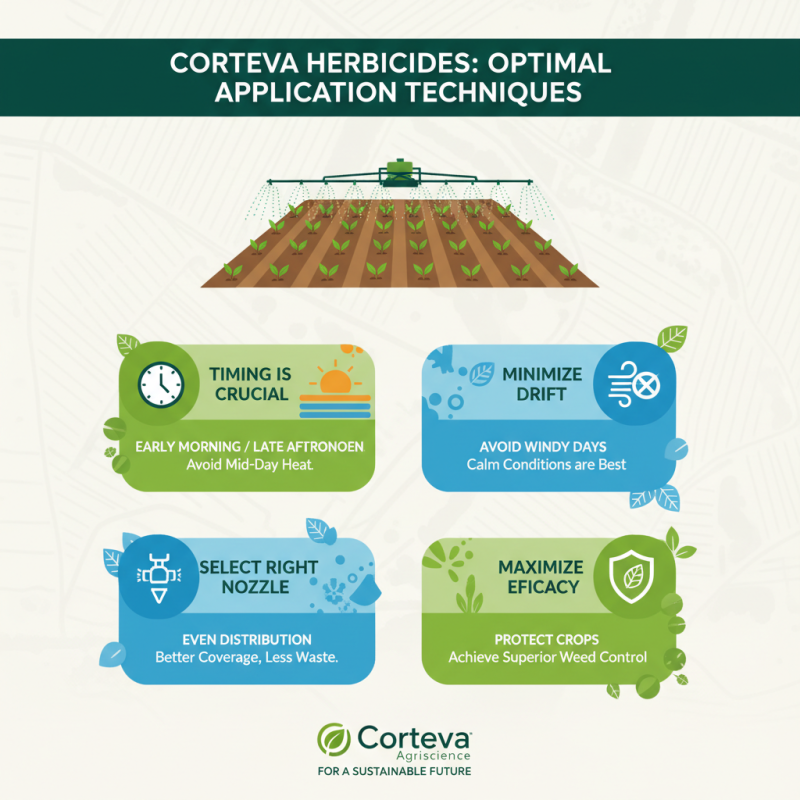
Farmers must know optimal application techniques. Incorrect usage can lead to resistance issues, reducing efficacy. A study by the Weed Science Society of America emphasizes that integrated pest management is essential for effective herbicide utilization. Pairing Corteva herbicide with agronomic practices aids in maximizing benefits.
Moreover, monitoring environmental conditions is crucial. Excessive rainfall or temperature fluctuations can affect herbicide performance. A proactive approach considering these factors will lead to better outcomes. In the ever-evolving agricultural landscape, understanding and adapting strategies for Corteva herbicide is key to success.
Understanding Corteva Herbicides: Types and Benefits
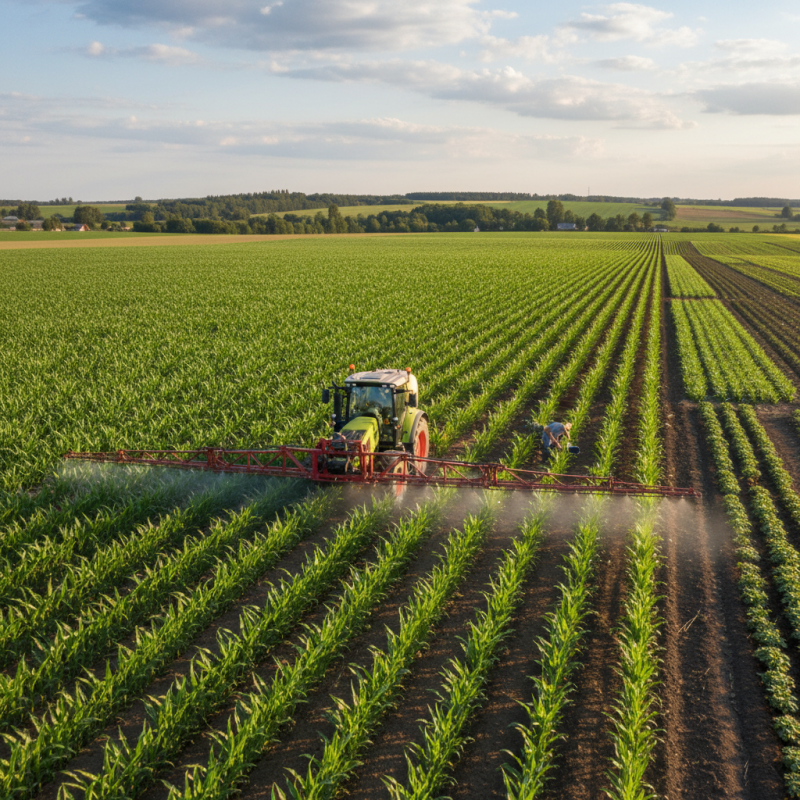
Corteva herbicides offer a range of benefits for crop management. They are designed to control various weeds, which can compete for nutrients and water. Proper understanding of these herbicides is crucial. Farmers should familiarize themselves with the different types available in the market. Each type is tailored for specific applications and crop types.
Using these herbicides effectively requires attention to detail. For example, application timing affects their efficiency. Early treatment can prevent weed growth and minimize competition. Additionally, selecting the right formulation is important. Some are designed for pre-emergence applications, while others work post-emergence. Knowing when and how to apply them plays a vital role in maximizing their effectiveness.
Despite their advantages, challenges may arise. Factors like weather conditions and soil type can influence results. Farmers sometimes underestimate resistance issues, leading to unexpected failures. Regular monitoring and adjustments to strategies are necessary. Reflecting on past experiences can help improve future applications. Understanding the benefits and limitations of Corteva herbicides is essential for successful crop management.
Identifying the Right Corteva Herbicide for Your Crops
Identifying the right Corteva herbicide for your crops begins with understanding your specific needs. Different crops require targeted approaches. According to recent industry data, nearly 30% of crop losses are due to weed pressure. Choosing the wrong herbicide can exacerbate these losses. For instance, selecting a non-selective herbicide on sensitive crops can lead to severe damage, impacting yield.
The application timing is crucial. Research indicates that applying herbicides at the right growth stage can enhance effectiveness by up to 50%. Monitor your crops closely. Applying herbicides too early or too late may not yield optimal results. Additionally, consider local environmental factors. Soil type and climate can affect how herbicides work. For example, sandy soils might require different products compared to clay soils.
Keep current with the latest industry reports. These documents provide insights on emerging herbicide technologies and trends. They reveal that farmers adopting new application methods have significantly reduced crop damage. Regularly assess the effectiveness of your chosen herbicide. If you notice less weed control than expected, it may be time to reevaluate your selection. Understanding these dynamics can lead to better crop management and improved yields.
How to Use Corteva Herbicide Effectively for Your Crops? - Identifying the Right Corteva Herbicide for Your Crops
| Herbicide Name |
Target Weeds |
Application Rate (oz/acre) |
Crop Safety |
Pre-Harvest Interval (days) |
| Herbicide A |
Common Lambsquarters, Pigweed |
16-32 |
Safe for Corn and Soybean |
30 |
| Herbicide B |
Dandelion, Thistle |
20-40 |
Safe for Wheat |
45 |
| Herbicide C |
Johnsongrass, Crabgrass |
10-30 |
Safe for Sorghum |
21 |
| Herbicide D |
Ryan Grass, Foxtail |
12-36 |
Safe for Barley |
60 |
Best Practices for Safe Handling and Storage of Herbicides
Handling and storing herbicides safely is crucial for effective crop management.
According to a recent report by the Environmental Protection Agency, approximately 15% of agricultural workers report experiencing accidental exposure to chemicals.
To minimize this risk, proper training in safe handling techniques is essential. Workers should wear protective equipment like gloves and masks when mixing or applying herbicides.
Education on the potential hazards can significantly reduce misapplication incidents.
When it comes to storage, research from the American Society of Agronomy highlights that over
40% of herbicide effectiveness can be lost due to improper storage conditions.
Herbicides should be stored in a cool, dry place away from extreme heat and moisture. Containers should be sealed tightly to prevent contamination.
Additionally, regular inventory checks help ensure no expired products are in use. Awareness of labeling information is also vital;
it often contains crucial details about storage and safety practices.
Farmers often overlook these critical details, leading to inefficiencies and safety issues. Simple measures like
labeling storage areas can significantly enhance safety standards.
Reflecting on past experiences, growers should assess their current practices and seek improvement in the handling and storage of herbicides.
Constant vigilance can ensure that these products are both safe and effective, safeguarding both crops and the health of those who manage them.
Monitoring and Evaluating Herbicide Efficacy on Crop Health
Monitoring herbicide efficacy is vital for crop health. Start by assessing your crops regularly. Look for signs of stress or damage. A healthy crop should show uniform growth. Any irregularities could be a sign of herbicide issues.
Tip: Take photos of your crops at different growth stages. This helps track changes and identify problems early. Compare images to find health patterns and effects of herbicide applications.
Evaluate soil conditions too. Soil quality impacts how herbicides work. Poor soil can reduce efficacy. Testing soil composition regularly ensures optimal conditions for your crops. Adjust nutrient levels as needed.
Tip: Use a simple soil test kit. It can reveal pH levels and nutrient deficits. This information can guide your herbicide use and improve your crop's resilience.
Reflect on your application methods. Are you applying at the right time and rate? Incorrect application can lead to crop injury or insufficient weed control. Always review your practices for better results.
Monitoring Herbicide Efficacy on Crop Health
This chart monitors the efficacy of herbicide application on crop health over a growing season. The data represents crop yield (in bushels per acre) across different herbicide treatment methods.