
2026 How to Choose Pesticides for Plants?
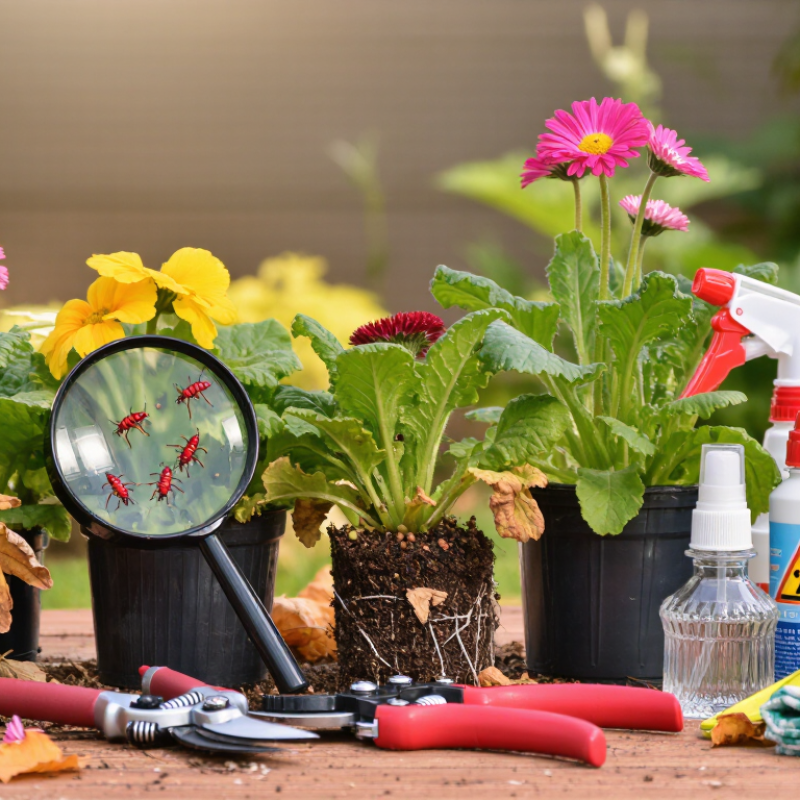
Choosing pesticides for plants in 2026 begins with identifying what is actually harming them. Yellow leaves, curled edges, and sticky residue can point to different causes, including pests, disease, watering problems, or nutrient stress. Not every mark means insects. Check both sides of the leaves and inspect stems before choosing a treatment. A magnifying glass can reveal tiny mites or eggs that are easy to miss. Small details matter.
Match any product to the pest and plant named on its label. Compare the active ingredient, formulation, and directions, rather than relying on a familiar brand name. A spray suitable for outdoor roses may damage tender seedlings or be unsuitable indoors. Read the full label, including precautions for people, pets, beneficial insects, and flowering plants. Follow its application and storage instructions exactly, and never assume that more product works better. When uncertain, ask a qualified garden professional or local extension service.
Consider nonchemical steps, too. Removing badly affected leaves, rinsing some pests away, or improving airflow may reduce damage. These measures may not solve every problem, but they can help avoid unnecessary spraying. Protect pollinators by checking product warnings and avoiding treatment when bees are visiting flowers. I have to admit, plant damage can be frustrating, and the cause is not always obvious. This guide explains how to compare options carefully, use pesticides for plants responsibly, and pause when the evidence is unclear.
Identify the Plant Problem and Confirm the Cause
2026 How to Choose Pesticides for Plants?
Identify the Plant Problem and Confirm the Cause
A damaged leaf is not automatically an insect problem. Yellow edges may indicate drought, salt buildup, root injury, or nutrient imbalance. Before choosing pesticides, inspect both leaf surfaces, stems, and nearby soil. Look for webbing, feeding holes, sticky residue, eggs, or fungal growth. A hand lens helps. So does patience.
The FAO’s State of Food and Agriculture 2021 estimates that plant pests cause up to 40% of global crop losses each year. That figure shows the importance of protection, but it does not justify automatic spraying. The same symptom can have several causes. I have seen growers treat “fungus” when compacted soil was the real issue. Laboratory diagnosis, local extension advice, or a clear pest identification can prevent that mistake. Check the plant’s growth stage and the weather history too. Recent rain may explain spotting better than an active disease.
Tips: Photograph the damage daily. Compare healthy and affected leaves. Check soil moisture below the surface. Identify the pest before selecting a pesticide. Read the label and follow its permitted crop, timing, rate, and protective instructions. If no pest is confirmed, wait and investigate further. Guessing feels efficient, but it often wastes money and stresses the plant.
| Observed Plant Problem | Clues to Check | Likely Cause to Confirm | Recommended First Action | Possible Pesticide Type | Important Selection and Safety Notes |
|---|---|---|---|---|---|
| Chewed leaves, holes, or ragged edges | Look under leaves and around stems for caterpillars, beetles, slugs, snails, eggs, or frass. Damage is usually irregular. | Chewing insects or mollusks, rather than a fungal disease. | Hand-pick visible pests, remove heavily damaged leaves, use physical barriers, and improve garden sanitation. | Insecticide labeled for the confirmed pest; iron-based molluscicide may be used where slugs or snails are confirmed. | Choose a product labeled for both the plant and target pest. Avoid broad-spectrum insecticides when beneficial insects are active. Follow the label and keep pellets away from children, pets, and wildlife. |
| Sticky leaves, black coating, or distorted new growth | Inspect young shoots and leaf undersides for aphids, whiteflies, scale, or mealybugs. The sticky substance is often honeydew, and the black coating may be sooty mold. | Sap-feeding insects; sooty mold is usually a secondary growth on honeydew, not the primary cause. | Wash pests off with water, prune badly infested parts, and control ants that may protect honeydew-producing insects. | Insecticidal soap or horticultural oil may help with exposed soft-bodied pests; another targeted insecticide may be appropriate if the label permits. | Good coverage is essential. Do not apply soaps or oils to drought-stressed, wilted, or heat-stressed plants. Test a small area first and follow temperature restrictions on the label. |
| Fine stippling, bronzing, or webbing | Tap foliage over white paper and inspect with a hand lens. Look for tiny moving mites and fine webbing, especially during hot, dry weather. | Spider mites or another mite species; symptoms can resemble nutrient stress. | Increase appropriate humidity, rinse foliage when suitable, reduce dust, and avoid unnecessary insecticides that can destroy predatory mites. | A miticide or horticultural oil labeled for the confirmed mite and plant. | Many common insecticides do not control mites and may worsen outbreaks by killing natural enemies. Repeat applications only when the label specifies an interval. |
| White powdery growth on leaves and stems | Powdery patches are often visible on leaf surfaces. Check whether the plant has poor air circulation, crowded growth, or persistent humidity. | Powdery mildew, which is a fungal disease and is not caused by insects. | Remove severely affected tissue, increase spacing and air movement, and water the root zone rather than repeatedly wetting foliage. | A fungicide labeled for powdery mildew, such as a sulfur- or bicarbonate-based product where permitted. | Fungicides generally protect healthy tissue better than they cure advanced infections. Avoid sulfur on plants sensitive to it or during temperatures restricted by the product label. |
| Brown or black leaf spots, yellow halos, or blighted tissue | Check whether spots expand after wet weather and whether symptoms begin on older leaves. Examine stems and leaf undersides for signs of bacterial or fungal infection. | Fungal or bacterial leaf disease, but environmental injury, nutrient imbalance, and herbicide drift can look similar. | Remove infected leaves, disinfect pruning tools, improve airflow, and avoid overhead irrigation. Confirm the diagnosis before spraying. | A disease-specific fungicide or bactericide only if the label lists the confirmed disease and crop. | Many products are preventive and will not reverse dead tissue. Do not assume that every leaf spot responds to a fungicide; laboratory or extension diagnosis may be needed. |
| Sudden wilting, root decline, or foul-smelling roots | Inspect roots for brown, soft, water-soaked tissue. Check drainage, watering frequency, container holes, and soil moisture below the surface. | Overwatering, root rot, or a soil-borne pathogen; wilting can also result from drought or vascular disease. | Correct drainage and watering, remove rotten roots if appropriate, repot into clean medium, and discard severely diseased plants. | Only use a soil fungicide or biological treatment when the label specifically covers the confirmed pathogen and plant. | Most root problems cannot be solved by spraying leaves. Chemical treatment is often ineffective when the main cause is saturated soil or poor drainage. |
| Yellow leaves or slow growth without visible pests | Check light, soil moisture, root health, temperature, pH, and the age of the affected leaves. Look for uniform yellowing versus a pattern between veins. | Nutrient deficiency, excess water, poor light, temperature stress, or root damage rather than a pest infestation. | Correct cultural conditions first and use a soil or tissue test when possible. Do not spray a pesticide solely because leaves are yellow. | Usually no pesticide. A fertilizer or soil amendment may be appropriate only after a confirmed deficiency. | Misdiagnosis can cause unnecessary pesticide exposure and plant injury. Fertilizers do not replace diagnosis and can damage roots when overapplied. |
| Weeds competing with ornamental or edible plants | Identify the weed species and growth stage. Check whether the weed is broadleaf, grassy, annual, perennial, or spreading by roots. | Unwanted vegetation, not an insect or disease problem. | Pull or hoe young weeds, mulch appropriately, and prevent seed production. Use cultivation carefully around shallow-rooted plants. | A selective or non-selective herbicide only when the label permits use in the specific site and around the intended plants. | Non-selective herbicides can injure any green tissue they contact. Prevent drift, protect water sources, and observe the required re-entry and harvest intervals. |
| Plant virus-like mosaic, rings, or severe distortion | Look for mottled patterns, persistent distortion, stunting, and possible vectors such as aphids or thrips. Compare symptoms with healthy plants of the same variety. | Possible viral infection, but herbicide injury, genetics, nutrient stress, and mites can appear similar. | Isolate suspicious plants, remove severely affected material, disinfect tools, and control confirmed insect vectors using non-chemical measures first. | There is generally no pesticide that cures an established plant virus. A labeled insecticide may reduce a confirmed vector but will not cure the plant. | Obtain a reliable diagnosis before removal or treatment. Avoid saving cuttings or seeds from plants suspected of carrying a systemic virus. |
| Pests or disease returning after treatment | Check application timing, coverage, weather, pest life stage, resistance risk, and whether the product actually lists the target organism. | Incomplete coverage, reinfestation, environmental conditions, or pesticide resistance. | Reconfirm the diagnosis, remove sources of reinfestation, and combine sanitation, exclusion, monitoring, and biological controls. | Rotate pesticide mode-of-action groups only when treatment is necessary and permitted by the label. | Do not increase the dose or shorten the interval beyond the label. Repeated use of the same mode of action can select resistant pest populations. |
Related Posts
-
How to Safely Use Agricultural Chemicals for Optimal Crop Production in 2025
-
2026 Top Pesticides in Agriculture Trends for Global Buyers
-
What Are the 2026 Top Pesticides for Plants?
-
Essential Tips for Selecting Agricultural Chemicals Safely?
-
Top 10 Farm Chemicals You Need to Know for Successful Agriculture?
-

Top 5 Tips for Choosing the Right Agricultural Chemicals
