2026 Top Pesticides in Agriculture Trends for Global Buyers
Global buyers are entering 2026 with sharper questions about pesticides in agriculture. Price still matters. However, performance, residue control, traceability, and environmental responsibility now influence purchasing decisions.
Dr. Peter Kenmore, a former FAO plant-protection specialist, described integrated pest management as “a knowledge-intensive process.” That principle remains highly relevant. Buyers increasingly examine active ingredients, resistance-management plans, application records, and independent residue testing. A product may work well in a greenhouse, yet fail under intense field heat or heavy rainfall. Regional evidence matters.
The strongest 2026 trends will likely include biological solutions, precision application, safer formulations, and data-supported crop protection. Farmers may use sensors to identify stressed plants before spraying entire fields. Some suppliers are combining biopesticides with carefully selected conventional products. This approach can reduce unnecessary applications, but it requires training and patience. Supply chains will also need clearer documentation, from sealed containers to warehouse temperature logs.
No forecast is perfect. Adoption may move unevenly between crops and regions. Small farms can face limited access to testing, equipment, and technical advice. Buyers should therefore assess practical performance, not promotional language alone. They should request verified efficacy data, compliant labels, batch information, and local agronomic guidance. Responsible sourcing is not simply a purchasing trend. It protects farm workers, consumers, beneficial insects, soil quality, and long-term productivity. In 2026, reliable pesticide decisions will depend on evidence, transparency, and a willingness to reconsider familiar habits.
Pesticide Market Overview and Its Role in Modern Agriculture
2026 Top Pesticides in Agriculture Trends for Global Buyers
Pesticide Market Overview and Its Role in Modern Agriculture
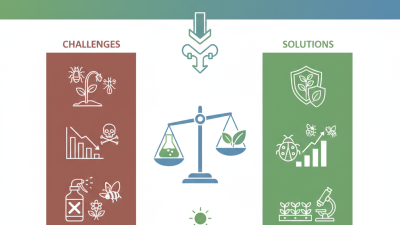
Modern agriculture relies on pesticides to protect crops from insects, weeds, and fungal diseases. Their role is practical, but never simple. Farmers must balance yield, residue control, resistance, and environmental safety.
FAOSTAT reported global pesticide use at about 3.70 million tonnes in 2022. Usage increased approximately 4% from 2021, showing continued demand across major farming regions.
Herbicides remain important in large-scale grain and oilseed production. Fungicides support quality in fruit, vegetable, and cereal crops. Insecticides are widely used when pest pressure rises suddenly.
However, volume alone does not define market leadership. Global buyers increasingly examine active-ingredient performance, formulation stability, local registration, and documented residue compliance. Small details matter, especially during long-distance shipping and changing weather conditions.
The OECD-FAO Agricultural Outlook 2024–2033 projects agricultural and fish production to grow around 1.1% annually, driven mainly by productivity gains. This pressure may increase demand for efficient crop protection.
Integrated pest management is becoming more important, combining monitoring, biological methods, crop rotation, and carefully timed applications. The data is not perfect. Reporting quality differs between countries, and pesticide-use figures may hide regional risks. Buyers should question attractive claims, verify technical documents, and review independent field evidence before making large procurement decisions.
Key Pesticide Categories and Their Agricultural Uses
Global buyers are prioritizing effective, compliant, and resistance-aware pesticide programs for 2026. FAO’s Pesticides Use, Trade and Pesticides Indicators report records approximately 3.70 million tonnes of pesticide use worldwide in 2022. This scale reflects intensive crop production, but also raises pressure on residue control and environmental protection. The 2024 Crop Protection Chemicals Market report projects continued market growth through 2028, driven by food demand and improved application technology. Not every trend fits.
Herbicides remain essential for managing competing weeds in cereals, oilseeds, cotton, and horticultural crops. Insecticides protect leaves, fruit, and developing grains from chewing and sucking pests. Fungicides reduce losses from mildew, blight, rust, and seed-borne diseases, especially under humid conditions. Seed treatments support early root protection and can reduce repeated field applications. Biological products are gaining attention for microbial disease control, pest suppression, and resistance management. AgbioInvestor’s 2024 biologicals review identifies sustained double-digit growth in several biological crop-protection segments.
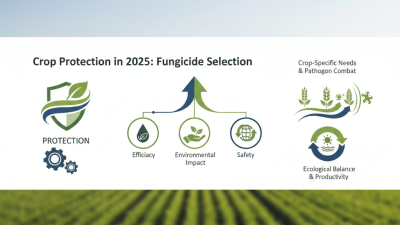
Procurement teams should compare active ingredients, formulation quality, crop labels, residue limits, and resistance-management groups. A low-cost product may perform poorly under heavy rainfall or alkaline water. Application timing matters more than price alone. Field conditions decide. Buyers should also verify registration in every destination market and request independent quality documentation. Market forecasts can overstate adoption; local trials, trained operators, and integrated pest management remain necessary for reliable results.
2026 Top Pesticides in Agriculture Trends for Global Buyers
Key pesticide categories and their primary agricultural uses
Herbicides represent the largest share of global agricultural pesticide demand, followed by insecticides and fungicides. Actual category shares vary by crop mix, climate, regulations, and farming practices. Values shown are rounded global industry estimates for agricultural active-ingredient use.
Major Innovation Trends Shaping Pesticide Development in 2026
In 2026, pesticide development is moving toward safer, more precise, and more measurable solutions. Biological active ingredients, microbial products, and plant-based compounds are receiving greater research attention. Their performance can change with temperature, humidity, and soil conditions. That limitation still needs honest field testing.
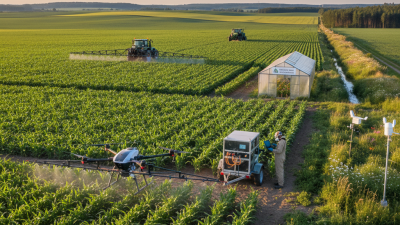
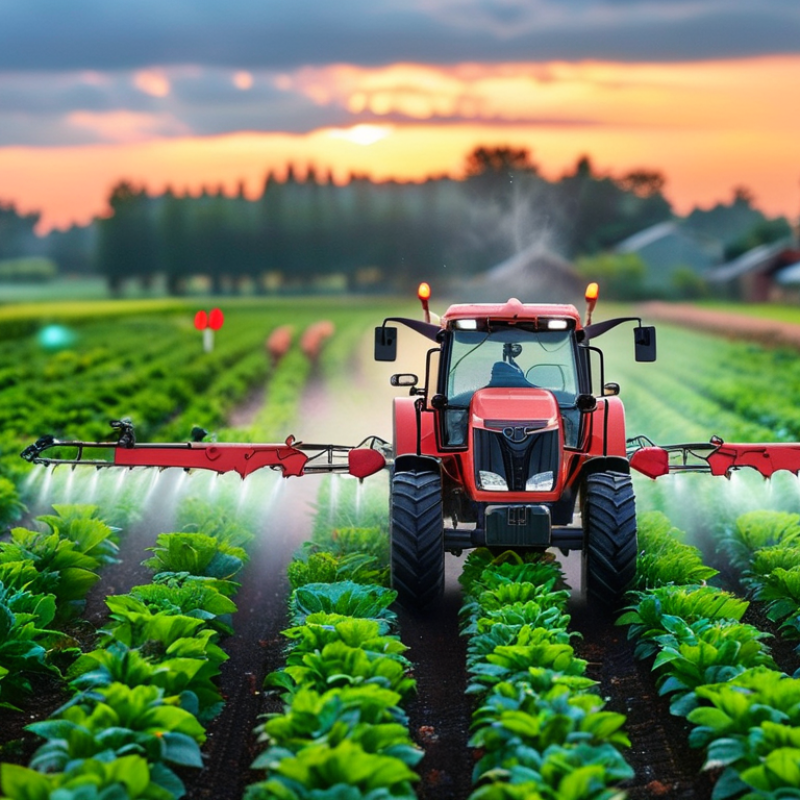
Precision application is becoming a practical innovation, not just a digital concept. Smart sprayers can detect crop gaps, leaf damage, and weed clusters before releasing a targeted dose. Better formulations may improve rainfastness and reduce drift near waterways. Data platforms also help buyers compare residue limits, resistance risks, and local registration requirements. However, sensors can fail in dusty fields. Human inspection remains necessary.
Tips: Ask suppliers for multi-location trial data, application instructions, and independent safety documentation. Check whether the product is registered for your crop and market. Rotate approved modes of action, monitor pest populations, and record weather during application. Small pilot plots are useful before wider purchasing. Innovation sounds attractive, but inconsistent results should not be hidden.
Global Regulatory, Safety, and Sustainability Requirements
2026 Top Pesticides in Agriculture Trends for Global Buyers
Global pesticide procurement now depends on regulatory evidence, not volume alone. FAO reported approximately 3.70 million tonnes of pesticides were used worldwide in 2022. That scale increases scrutiny on residues, worker exposure, soil health, and water contamination. Buyers should verify product registration, active-ingredient approval, maximum residue limits, and updated safety data sheets for every destination market. Requirements can differ sharply between importing countries. A shipment may pass one border and fail another.
Sustainability evidence is becoming more practical and less promotional. The FAO International Code of Conduct on Pesticide Management supports risk reduction, responsible labelling, training, and integrated pest management. Buyers should request residue-test records, container traceability, pollinator-risk assessments, and documented disposal procedures. Certification helps, but it is not proof by itself. Field audits often reveal incomplete records, especially after suppliers change formulations. That gap deserves attention.
Tips: Build a country-by-country compliance file before signing contracts. Confirm laboratory accreditation and testing methods. Compare hazards, not only price. Ask how workers use protective equipment under hot field conditions. Review storage photos, emergency contacts, and batch numbers. Keep evidence for several seasons. Small details matter.
The OECD’s environmental indicators show that pesticide risk cannot be measured through sales volume alone. Toxicity, application rates, exposure, and environmental persistence also matter. Buyers should therefore assess risk-adjusted performance. A lower-volume product is not automatically safer. That assumption needs more careful review.