Top 5 Tips for Choosing the Right Agricultural Chemicals
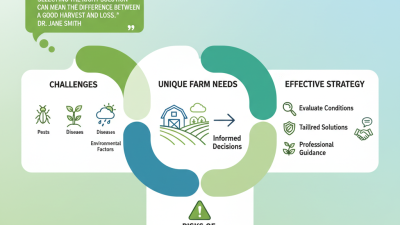
Choosing the right agricultural chemicals can be challenging. The vast variety of products on the market may confuse even seasoned farmers. Selecting effective chemicals is crucial for crop health and yield. This decision impacts not just productivity, but also environmental safety and sustainability.
It's essential to consider several factors when making your choice. The effectiveness, safety, and application method of agricultural chemicals play significant roles in their success. Moreover, understanding local regulations and environmental impact is vital. Farmers must reflect on past experiences and learn from them when evaluating options.
Ultimately, the right agricultural chemicals can lead to healthier crops and better harvests. Yet, it remains critical to approach this decision thoughtfully. Each choice has implications that extend beyond the fields. Balancing productivity with responsibility is key.
Understanding Different Types of Agricultural Chemicals Available
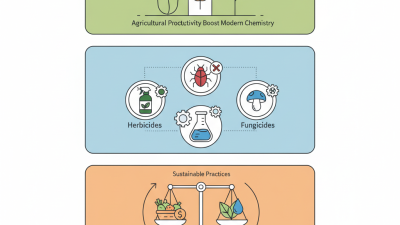
When selecting agricultural chemicals, it's essential to understand the various types available. Pesticides, herbicides, and fungicides are common products used to protect crops. According to a report by the Food and Agriculture Organization, these chemicals can increase crop yields significantly, sometimes by up to 30%. However, farmers must consider the specific needs of their crops and the potential impact on non-target species.
Tip: Always assess the environmental impact before choosing a chemical. Local ecosystems can be vulnerable. Some chemicals may harm beneficial insects like bees.
Fertilizers are another crucial category. Different fertilizers affect soil health in various ways. A study published by the International Fertilizer Industry Association highlights that balanced nutrient application can lead to healthier plants and better yields. However, overuse can lead to nutrient runoff, impacting water quality.
Tip: Seek expert advice when determining nutrient needs. Consulting agronomists can prevent costly mistakes.
Understanding these categories helps farmers make informed decisions. Yet, the complexity can lead to confusion. Always prioritize responsible usage of agricultural chemicals for sustainable farming outcomes.
Assessing Crop Requirements and Pests for Effective Chemical Choice
Choosing the right agricultural chemicals requires a deep understanding of your crops. Identifying specific nutrient needs is crucial. For example, a study by the Food and Agriculture Organization indicates that nutrient deficiencies can reduce yields by up to 50%. This underscores the necessity of soil testing. Analyzing soil health helps farmers determine the exact type and amount of fertilizer to apply, optimizing growth and productivity.
Pest management is equally essential. Understanding pest species and their life cycles aids in selecting effective chemicals. Research from the National Agricultural Statistics Service shows that targeted pest management can enhance crop production by 20% or more. Farmers often rely on integrated pest management strategies, combining chemicals with biological controls. However, oversaturation of chemicals can lead to resistance. It’s important to reflect on the balance between chemical use and sustainable practices, ensuring long-term viability of crops.
Ultimately, making informed decisions requires consistent observation and data analysis. Keep meticulous records of crop performance and pest activity. Adjustments based on this data can lead to significant improvements. One should continually evaluate the effectiveness of chosen chemicals, focusing on both immediate and long-term outcomes. This reflection can guide better practices in the future.
Evaluating the Environmental Impact of Agricultural Chemicals
When evaluating the environmental impact of agricultural chemicals, it is crucial to consider multiple factors. The potential effects on soil health and water quality can be significant. An informed choice can lead to a more sustainable farming practice. One tip is to research the specific chemicals you intend to use. Understand their interactions with local ecosystems and wildlife. Achieving balance is key.
Another important tip involves considering alternative options. Some farmers may overlook organic or biopesticide solutions. These alternatives often have fewer harmful effects on the environment. Additionally, soil health should always be prioritized. Healthy soil can mitigate the negative impacts of chemicals. Avoid over-reliance on synthetic options.
Finally, be aware of local regulations. Compliance with environmental guidelines is essential. They often reflect the best practices for safety and sustainability. Reflecting on the long-term consequences of using these products is vital. The choices made today will shape future landscapes. Taking a mindful approach can contribute to environmental preservation.
Reviewing Regulatory Standards and Safety Guidelines for Chemicals
Choosing the right agricultural chemicals requires a deep understanding of regulatory standards. These regulations ensure that chemicals are used safely and effectively. Farmers must be aware of local laws governing chemical use. Each region has its own guidelines. Compliance is essential for both safety and productivity.
Understanding the Environmental Protection Agency (EPA) standards is crucial. The EPA evaluates the safety of agricultural chemicals. This review process helps prevent harmful chemicals from entering the market. Farmers must keep informed about updates to these guidelines. Not all chemicals are equally safe. Researching each option is vital.
Safety guidelines are not just red tape. They protect the environment and human health. Misuse of chemicals can cause long-term damage. It is important to read labels and safety data sheets closely. Some chemicals may pose risks even if used correctly. Reflecting on how these products impact the ecosystem is necessary. A responsible approach helps ensure sustainable agriculture.
Top 5 Tips for Choosing the Right Agricultural Chemicals
| Tip |
Considerations |
Regulatory Standards |
Safety Guidelines |
| 1. Understand Crop Needs |
Identify specific pests and diseases affecting your crops. |
Follow local agricultural extension service recommendations. |
Wear appropriate PPE when applying chemicals. |
| 2. Check Product Efficacy |
Research the effectiveness of different products. |
Review efficacy data from regulatory bodies. |
Adhere to recommended application rates to minimize risks. |
| 3. Evaluate Environmental Impact |
Consider the effects on non-target organisms and biodiversity. |
Consult environmental assessment reports. |
Follow guidelines for buffer zones around water bodies. |
| 4. Review Applicator Certification |
Ensure that applicators are trained and certified. |
Compliance with state-level pesticide application laws. |
Ensure compliance with safety protocols during handling. |
| 5. Read Labels Thoroughly |
Understand instructions and restrictions for use. |
Adhere to labeling requirements set by regulatory authorities. |
Observe all safety precautions indicated on the label. |
Comparing Cost and Effectiveness of Different Agricultural Products
Choosing the right agricultural chemicals requires careful consideration of cost and effectiveness. Various studies highlight the importance of making informed decisions. According to a report from the Food and Agriculture Organization (FAO), farmers can save up to 20% in input costs by comparing products effectively. This emphasizes the need for a thorough analysis.
Effectiveness is another crucial factor. Research shows that some chemicals provide higher yield increases for similar costs. For instance, a study by the American Chemical Society found that specific herbicides could enhance crop yields by up to 30% compared to cheaper alternatives. It's essential to look beyond the price tag. An expensive product might offer better long-term results.
Evaluating the environmental impact is also vital. Chemicals may have varying levels of sustainability. According to the Environmental Protection Agency (EPA), some pesticides have been linked to harmful effects on non-target species, leading to ecological concerns. Balancing cost, effectiveness, and environmental safety is essential for responsible agricultural practices. Rethinking choices regularly is part of being a sustainable farmer.