What is Pesticide Control and How Does it Impact Global Trade?
Pesticide control is crucial for ensuring food safety and protecting the environment. Effective pesticide management plays a significant role in global trade. Countries have diverse regulations that govern pesticide usage. This creates challenges and opportunities in international markets.
Farmers rely on pesticides to combat pests and diseases. However, improper use can lead to residue on food products. This raises concerns among consumers and regulatory bodies. It is imperative for nations to align their pesticide control measures. Increased cooperation can enhance food security and protect public health.
Yet, the implementation of pesticide control is not without flaws. Some countries lack adequate resources for proper regulation. This inconsistency may lead to unfair trade practices. Finding a balance between agricultural efficiency and safety is essential for sustainable growth. We must learn from past practices to improve future standards.

Definition of Pesticide Control and Its Importance in Agriculture
Pesticide control refers to the strategies and regulations that manage pesticide use in agriculture. It is crucial for sustainable farming. Proper pesticide use minimizes health risks to both farmers and consumers. Data from the Food and Agriculture Organization states that nearly 1 million tons of pesticides are used globally each year. This chemical management is vital for crop protection and food security.
However, the impact of pesticide control extends beyond health concerns. Countries with strict pesticide regulations often see improved trade relationships. For example, the EU’s pesticide regulation encourages safer practices. This can enhance agricultural exports. Conversely, regions with lax controls face trade barriers. The United Nations reported that improper pesticide management can lead to significant economic losses, estimated at up to $200 billion annually.
Despite the benefits, pesticide control presents challenges. Some farmers struggle to comply with evolving standards. There are issues related to misinformation and inconsistent practices. The complexity of regulations can overwhelm smallholders. Balancing effective pest management with safety remains a continuous challenge. This dynamic landscape necessitates ongoing research and education in agricultural practices.
What is Pesticide Control and How Does it Impact Global Trade?
| Country |
Pesticide Usage (kg/ha) |
Pesticide Exports (Million USD) |
Pesticide Imports (Million USD) |
Impact on Agricultural Output (%) |
| United States |
5.2 |
1,800 |
1,200 |
20 |
| China |
10.1 |
900 |
1,500 |
15 |
| Brazil |
7.5 |
1,200 |
800 |
18 |
| India |
4.7 |
500 |
600 |
12 |
| Germany |
6.4 |
750 |
500 |
10 |
Types of Pesticides and Their Regulatory Frameworks Worldwide
Pesticides play a critical role in modern agriculture. They help control pests, increasing crop yields and protecting food supplies. However, they come with various regulations that differ globally. Each country has its own authority governing pesticide use to ensure safety for consumers and the environment.
In the European Union, strict laws guide pesticide approval and use. These regulations emphasize environmental impact and health risks. Other regions, like North America and Asia, have their frameworks that may focus more on agricultural productivity. The differences can lead to complications in international trade, as products may not meet the varying standards.
Some pesticides banned in one region remain legal elsewhere. This inconsistency raises questions about food safety and public health. It challenges farmers who wish to export goods. As global trade becomes more interconnected, aligning these regulations is increasingly important yet remains a complex issue. Striking a balance between productivity and safety warrants ongoing discussion and reflection.
Impact of Pesticide Control on Global Trade and Market Access
Pesticide control plays a crucial role in global trade. Strict regulations affect how agricultural products are traded and accessed in markets. Many countries impose maximum residue limits (MRLs) for pesticides on imported foods. In 2021, about 30% of agricultural exports faced rejection due to MRL violations. This creates challenges for producers striving to meet international standards.
The impact of pesticide control extends beyond compliance. Research shows that countries with rigorous pesticide regulations see both advantages and disadvantages. For instance, compliant producers gain access to more markets, boosting trade volume. However, smaller farms struggle with the costs of meeting these standards. Reports indicate that around 65% of smallholder farmers lack the resources for necessary certifications. This discrepancy affects their competitiveness in the global marketplace.
Market dynamics can shift based on pesticide regulations. In Europe, sustainability initiatives promote pesticide reduction. This leads to increased demand for organic produce. Data shows that organic exports rose by 15% annually between 2019 and 2022. Yet, some producers feel pressured to switch practices without adequate support. Balancing safety and sustainability remains a complex challenge for many nations.
Challenges and Controversies Surrounding Pesticide Regulations
Pesticide regulations are crucial yet complex. Different countries have varying standards. These differences can create barriers in global trade. Farmers and exporters often face challenges due to these regulations. Some pesticides banned in one nation may be permitted in another. This discrepancy raises questions about safety and efficacy.
One major controversy lies in the impact on small-scale farmers. They struggle to comply with stringent regulations. These rules can limit their access to essential pest control measures. Furthermore, there is often a lack of resources for education on pesticide use. This imbalance can affect their livelihoods and food production.
Tips: Educate yourself on local pesticide regulations. Understand how they may affect your farming practices. Additionally, farmers should consider integrated pest management. This approach helps reduce dependence on chemical pesticides. It promotes sustainable agriculture and can enhance trade opportunities.
Future Trends in Pesticide Control and Sustainable Agricultural Practices
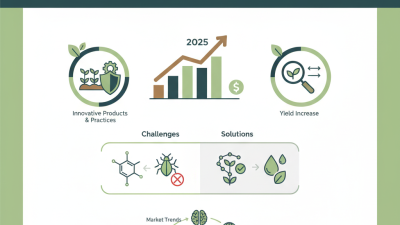
The future of pesticide control is closely linked to sustainable agricultural practices. Recent reports suggest that global pesticide usage could reach 4 million tons by 2025, posing risks to both human health and ecosystems. Farmers are under pressure to reduce reliance on chemical inputs while maintaining crop yields. This challenge is significant, as emerging markets demand food safety and sustainability.
Innovative methods are gaining traction. Integrated Pest Management (IPM) combines biological, cultural, and chemical tools to manage pests sustainably. According to the Food and Agriculture Organization (FAO), IPM could cut pesticide use by up to 50% in some regions. This strategy not only minimizes environmental impact but also promotes biodiversity.
Nevertheless, the transition to sustainable practices isn't straightforward. Many farmers face economic constraints and lack access to education on modern techniques. Studies show that training programs can significantly increase the adoption of sustainable practices, but implementation varies widely. Addressing these gaps is crucial for achieving global food security and protecting natural resources.