How to Choose the Best Pesticides for Plants?
Choosing the best pesticides for plants requires more than comparing prices or selecting the strongest bottle. The right decision begins with accurate pest identification, plant type, crop purpose, and local label requirements. A product suitable for roses may harm tomatoes, beneficial insects, soil organisms, or nearby water. The label matters.
Dr. David Pimentel, an influential entomologist and pesticide researcher, warned, “The use of pesticides has led to the destruction of natural enemies of pests.” His observation highlights a practical concern: pesticides can solve one problem while creating another. Effective plant care should therefore consider integrated pest management, including sanitation, pruning, physical barriers, biological controls, and targeted treatment. Chemical control may be useful, but it should not become the automatic answer.
This guide explains how to compare pesticides for plants by examining active ingredients, application methods, toxicity warnings, residual effects, and target pests. It also considers pollinators, edible crops, pets, children, and groundwater. Always follow the current product label and applicable local regulations. Do not mix products unless the label expressly permits it. Wear the required protective equipment, measure carefully, and store pesticides securely.
Some choices remain uncertain. Weather changes quickly. Pest resistance develops. Even experienced gardeners can misidentify damage. A yellow leaf may indicate insects, poor drainage, disease, or nutrient stress. That is why observation should come before treatment. The best pesticide is not always the strongest one. It is the most appropriate, legally approved, and least disruptive option for the specific plant and problem.
Understanding Plant Pesticide Types and Their Uses
How to Choose the Best Pesticides for Plants?
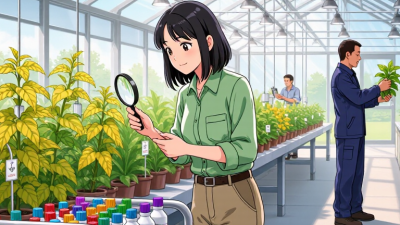
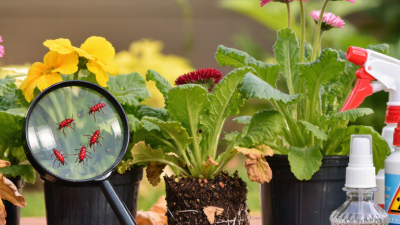
Choosing a pesticide starts with identifying the pest, not guessing from leaf damage. Chewed edges may indicate insects, while white powder can signal fungal disease. Check leaf undersides, stems, and nearby soil carefully. A hand lens can reveal mites or tiny eggs. This small step prevents unnecessary treatment.
Insecticides target insects such as aphids, caterpillars, and whiteflies. Miticides are designed for mites, which insecticides may not control well. Fungicides help manage certain fungal diseases, but they cannot repair already damaged tissue. Bactericides have limited uses and require accurate diagnosis. Herbicides control weeds, while horticultural oils and insecticidal soaps can affect soft-bodied pests through direct contact. Biological pesticides use naturally occurring organisms or substances and often work more slowly.
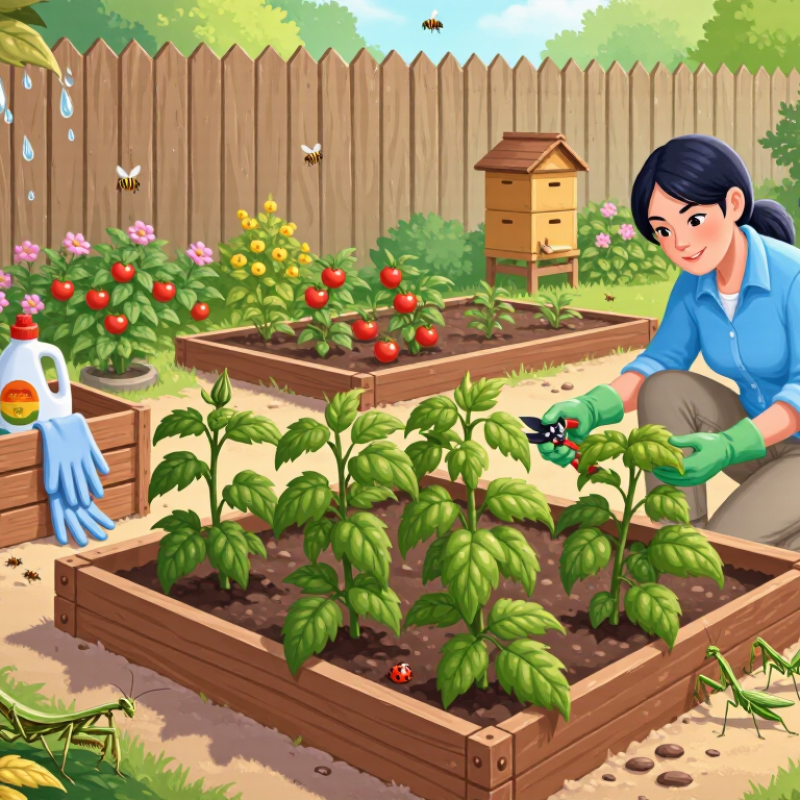
Read the label every time. It provides legal directions for the crop, pest, dose, timing, protective equipment, and harvest interval. Apply products during calm weather, away from open flowers and active pollinators. Test a small area first, because tender leaves may react badly. I have learned that “natural” does not automatically mean harmless. That assumption needs questioning. Integrated pest management is usually more reliable: remove badly infected leaves, improve airflow, encourage beneficial insects, and use pesticides only when monitoring shows a real need. Mistakes happen when gardeners treat symptoms without confirming the cause.
Identifying the Pest, Disease, or Plant Problem
How to Choose the Best Pesticides for Plants?
Correct identification comes before pesticide selection. A yellow leaf does not prove an insect infestation. It may indicate poor drainage, nutrient stress, root injury, or disease. Check the underside of leaves, stems, and soil near the plant. Look for webbing, sticky residue, chewing marks, fungal spots, or unusual odors. Photograph the damage and record when it appeared. Timing often reveals more than appearance alone.
The Food and Agriculture Organization reported that plant pests destroy up to 40% of global crop production each year.
Its 2019 report also estimated plant diseases cost the global economy more than 220 billion US dollars annually. These figures support careful diagnosis, not automatic spraying. For example, powdery mildew forms a white surface coating, while bacterial leaf spots often look water-soaked. Aphids cluster around tender growth and may leave honeydew. Different problems need different controls.
Start with the least disruptive option permitted for your plant and location. Remove heavily damaged leaves, improve airflow, or correct watering before applying any pesticide. Read the product label, confirm the target pest, and follow the stated dose and protective measures. More is not better. It can injure leaves and harm beneficial insects. I have seen gardeners mistake dust for fungus, which shows how easily assumptions fail. When symptoms remain unclear, consult a qualified extension specialist or plant pathologist, especially before treating edible crops.
Comparing Pesticide Safety, Effectiveness, and Environmental Impact
How to Choose the Best Pesticides for Plants?
Comparing Pesticide Safety, Effectiveness, and Environmental Impact
Choosing a pesticide begins with identifying the actual problem. In my garden, curled leaves once looked like disease, but aphids were hiding underneath. That observation mattered. I check leaves, stems, and nearby soil before taking action. Misidentifying the pest wastes chemicals and weakens healthy plants. It happens.
Safety comes before speed. I read the product label, follow the stated dosage, and use suitable protective clothing. I also keep children and pets away during application and until the label permits access. Never mix products casually. A pesticide with lower toxicity can still cause harm when misused. Effectiveness depends on timing, pest species, weather, and plant condition. I test treatment on a small area first. This step feels slow.
Environmental impact deserves equal attention. I choose targeted treatments over broad spraying whenever possible. I avoid open flowers, ponds, drains, and windy conditions. Spray drift can affect bees and other beneficial insects. Rain may carry residues into soil and waterways. I prefer physical removal, pruning, barriers, or biological controls when they work. These methods are not always enough. Sometimes chemical treatment remains necessary, but I use the smallest effective amount allowed by the label. I record what I applied and what changed afterward. My choices are not perfect. That uncertainty encourages closer observation and better decisions next time.
How to Choose the Best Pesticides for Plants?
This comparison uses selected active ingredients rather than company or brand products.
Higher oral LD50 values generally indicate lower acute mammalian toxicity, while a shorter
soil half-life generally indicates faster environmental breakdown. Effectiveness depends
strongly on the target pest, application timing, resistance, and following the product label.
Data are representative reported values and can vary by formulation and test conditions.
Sources: U.S. EPA pesticide fact sheets, National Pesticide Information Center, and the
Pesticide Properties DataBase.
Choosing the Right Formulation and Application Method
How to Choose the Best Pesticides for Plants?
Choosing the right formulation often matters more than choosing the strongest product.
A liquid concentrate can cover leaves evenly, but it requires careful measuring and mixing. Ready-to-use sprays are simpler for a few plants. They can reduce handling mistakes. Granules suit soil pests and release ingredients near plant roots. Wettable powders may work well, yet they need constant agitation. Otherwise, the mixture can settle and become uneven.
Read the label carefully. It provides the approved crop, target pest, mixing rate, protective equipment, and application interval. I once chose a convenient spray without checking its formulation, and leaf spotting followed. That mistake taught me to test a small area first. Water quality matters. Hard water, dusty leaves, or strong sunlight can reduce performance. Spray during calm, cool conditions, preferably when plants are dry and pollinators are less active. Never apply more than the label allows.
The application method should match the pest’s location.
Use a directed foliar spray for insects on leaf undersides. Choose a soil drench for pests living around roots. Spot treatment is often better than covering an entire garden. Calibrate the sprayer before use, and avoid runoff into drains or ponds. Wear the listed protective equipment, even during a short task. Timing changes everything. Recheck plants after several days, because damage may continue after pests decline. Sometimes the best choice is delayed treatment, especially when beneficial insects are already controlling the problem.