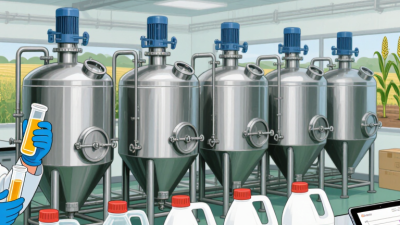
China Top Corteva Crop Protection Products Suppliers
China’s market for Corteva-branded crop protection products calls for careful supplier checks, not just a quick price comparison. Buyers need to confirm product identity, packaging, availability, and the support offered before placing an order. A sealed container, a readable batch number, and a label matching the product documentation are small details with real importance. So is a clear answer when a shipment is delayed.
Agricultural scientist and Nobel laureate Norman Borlaug said, “You can’t build a peaceful world on empty stomachs and human misery.” His words speak to the broader value of dependable food production; they are not an endorsement of any supplier or product. In practice, dependable sourcing also means asking whether products are appropriately registered for the intended market and crop, and whether suppliers can provide current documentation. Requirements can vary, so buyers should verify them directly rather than rely on a sales page.
This guide to China’s top Corteva crop protection products suppliers will help readers compare sourcing options, product information, logistics, and customer service. “Top” should mean more than a polished website. It should reflect evidence buyers can check. Some details may remain unclear, and that deserves attention. A careful comparison can help importers, distributors, and growers make better-informed decisions about corteva crop protection products.
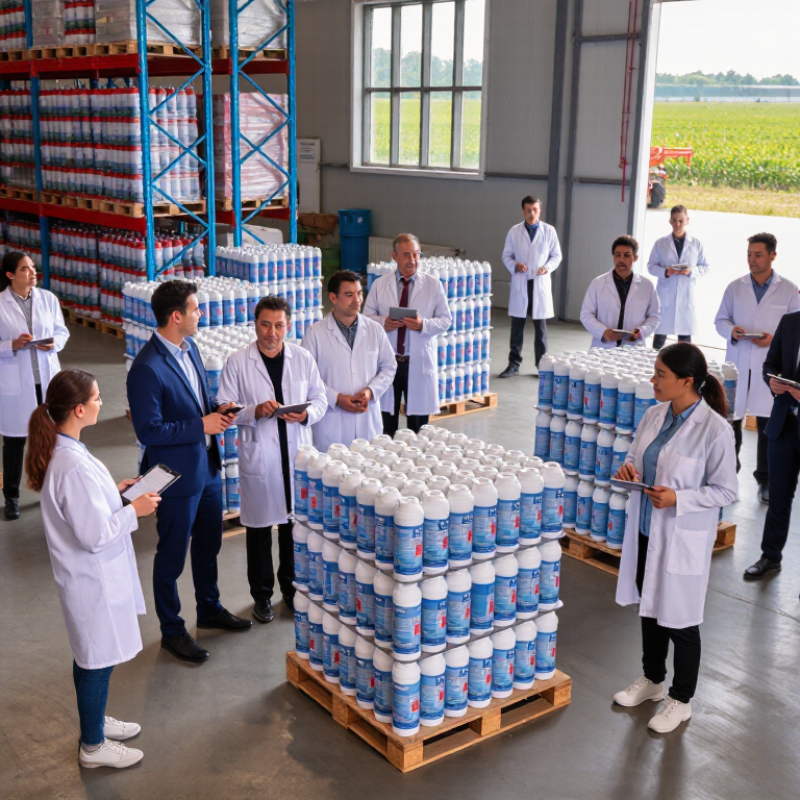
Overview of Corteva Crop Protection Products in China
Overview of Crop Protection Products in China
China’s crop-protection market serves diverse farming conditions, from rice paddies in the south to wheat fields in the north. Product categories commonly include herbicides, insecticides, fungicides, and seed treatments. Their suitability depends on crop, pest pressure, weather, and application timing. A product effective in one region may perform differently elsewhere. Field experience matters.
FAOSTAT’s Pesticides Use dataset reports 3.70 million tonnes of pesticide active ingredients used worldwide in 2022. This is global context, not a China-specific figure.
For buyers, the practical task is checking product registration, approved crop uses, label directions, and supplier documentation before purchase. Storage and transport conditions also affect product quality. Small details matter. Performance claims should be assessed against local trials, not sales language alone; trial results may still vary with soil and weather.
Tips: Confirm the target crop and pest, then compare label instructions and technical documents. Keep batch records and consult a qualified local agronomist when conditions are unclear. One limitation remains: public market data may not reflect farm-level use.
Main Product Categories and Their Agricultural Uses
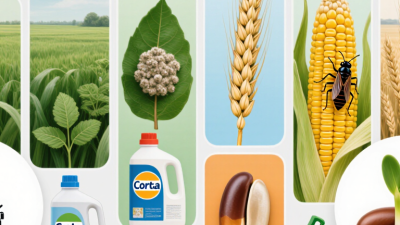
Crop protection products are commonly grouped as herbicides, fungicides, insecticides, and seed treatments. Each category addresses a different production risk. Herbicides suppress competing weeds, such as grasses between crop rows, helping plants access light, water, and nutrients. Fungicides help manage diseases that cause leaf spots, mildew, or fruit rot. Their usefulness depends on disease pressure and application timing.
Insecticides target damaging insects, including caterpillars that chew leaves and sap-feeding pests on young shoots. Seed treatments protect seeds and seedlings during early growth, when damage may be difficult to reverse. They are not a substitute for field monitoring. Growers still need to identify the pest or disease correctly, since symptoms can look alike.
For buyers comparing suppliers in China, product details matter beyond category names. Check the intended crop, target organism, formulation, storage guidance, and local registration status. Ask for current technical documents and clear batch information. Timing matters. A product suited to one crop stage may be a poor fit later. Recommendations also vary with soil, weather, and farming practice; that variation is easy to underestimate.
Main Crop Protection Product Categories and Agricultural Uses
The bars count representative target groups named for each category: weeds, fungal diseases, insect pests, seed and seedling threats, and plant-parasitic nematodes. These are illustrative counts of common agricultural use areas—not product, sales, market-share, or supplier figures.
China’s Supplier Landscape and Distribution Channels
China’s crop-protection supplier landscape includes manufacturers, regional distributors, agricultural-input retailers, and logistics firms. Each channel serves a different buyer. Larger distributors may cover several provinces, while local dealers often understand nearby crops, planting calendars, and storage conditions. Buyers researching products from international portfolios should confirm the supplier’s business credentials and product documentation before placing orders.
Distribution commonly moves from a manufacturer or appointed distributor to a provincial wholesaler, then to local retailers and farms. In some areas, agronomy service providers help farmers compare label directions, application timing, and pack sizes. Ask for batch details, storage guidance, and written terms for delivery and after-sales support. Details matter. Product availability can change with season and region, so a listing alone does not confirm current stock or channel status. Verify applicable registrations and approved uses through reliable official sources; do not rely only on a sales representative’s claims. Clear records help. Still, supplier information can be incomplete, and buyers should treat that as a reason to ask more questions, not as proof of misconduct.
How to Evaluate a Corteva Crop Protection Products Supplier
When evaluating a China-based crop protection supplier, check whether its products and technical documents match the intended market and crop. Request current registration details, product specifications, safety data sheets, and batch-level certificates of analysis. Verify that the label, formulation, and packaging are consistent across samples and commercial shipments. Small mismatches matter.
FAO’s 2024 Statistical Yearbook reports that global agricultural pesticide use reached 3.70 million tonnes in 2022. That scale makes reliable quality control and responsible handling essential. Ask how the supplier tests identity, concentration, and physical stability, and whether it can explain its sampling and complaint procedures. Vague answers are a warning sign. A polished brochure is not proof.
Review storage conditions, export experience, shipment records, and the supplier’s process for investigating inconsistent batches. Where possible, arrange an independent pre-shipment inspection and test a retained sample against agreed specifications. Speak with buyers who have received repeat orders, not only references selected for a sales call. No audit catches everything; even a detailed checklist can miss problems that appear after transport. Record what remains uncertain, and agree on corrective steps before placing a larger order.
| Evaluation dimension | What to verify | Practical evidence or check | Suggested weight | Score (1–5) |
|---|---|---|---|---|
| Product authorization | Confirm that each pesticide product is registered for the intended use and that the registration details match the product label. | Check registration number, active ingredient, formulation, permitted crops, target pests, application directions, and current status in the relevant official records. | 20% | _____ |
| Operating and production licenses | Establish whether the supplier is a manufacturer, distributor, or trading intermediary, and whether its activities are properly authorized. | Request applicable business and pesticide-production license details; verify the legal entity, licensed scope, address, and validity dates with official records. | 15% | _____ |
| Quality management | Assess whether written controls cover incoming materials, production or handling, testing, release, and nonconforming products. | Review quality procedures, audit records, batch-release documentation, complaint handling, and any current third-party management-system certificates. | 15% | _____ |
| Product consistency and testing | Check that product specifications are defined and that batches are tested using appropriate, documented methods. | Compare recent certificates of analysis with the registered specification; confirm batch numbers, test dates, methods, and laboratory details. | 15% | _____ |
| Traceability and packaging | Determine whether products can be traced from batch records through storage and delivery, with packaging suitable for the product and route. | Inspect batch coding, tamper evidence, container compatibility, label information, storage instructions, and records linking shipments to production lots. | 10% | _____ |
| Export and destination-market compliance | Verify that the product, documentation, packaging, and shipment meet the importing market’s applicable requirements. | Confirm destination-country registration or import authorization, customs documentation, safety data sheet, language and labeling rules, and transport requirements. | 10% | _____ |
| Supply reliability | Evaluate production or sourcing capacity, lead-time clarity, inventory planning, and communication about delays or shortages. | Request recent delivery records, written lead-time estimates, minimum order quantities, capacity information, and a documented continuity plan. | 10% | _____ |
| Technical and after-sales support | Assess the supplier’s ability to provide accurate product information and respond to quality, safety, and application questions. | Check response times, language capability, access to qualified technical staff, complaint escalation steps, and procedures for product incidents. | 5% | _____ |
| Weighted total | 100% | _____ / 5 | ||
Scoring guide: 1 = insufficient evidence; 2 = major gaps; 3 = acceptable with verification; 4 = strong documented controls; 5 = independently verified and consistently demonstrated. Confirm current requirements with the relevant authorities in China and the destination market before purchase.
Regulatory, Quality, and Sourcing Considerations
Selecting crop protection products requires more than comparing prices. Check that each product is registered for the intended crop and use in the destination market. Confirm the label, formulation, and permitted application match local requirements. Rules can differ between neighboring countries. Never rely on a supplier’s verbal assurance alone.
Ask for traceable batch records, a current certificate of analysis, and safety data sheets. Compare the batch number on documents with the sealed container. Inspect labels for legibility, tampering, and storage instructions. Quality is visible in small details. A damaged carton or unclear label deserves a pause, not a guess. Independent testing may help when documentation raises questions, though it adds time and cost.
For sourcing, assess the supplier’s authorization, export experience, complaint process, and ability to explain shipment conditions. Agree in writing on product identity, quantity, packaging, delivery terms, and procedures for damaged goods. Keep records from quotation through receipt. A checklist helps, but it cannot replace careful review; even experienced buyers can miss a mismatch when schedules are tight. Allow time for document checks before committing to a shipment.