How to Choose the Best Seed Treatment for Your Crops?
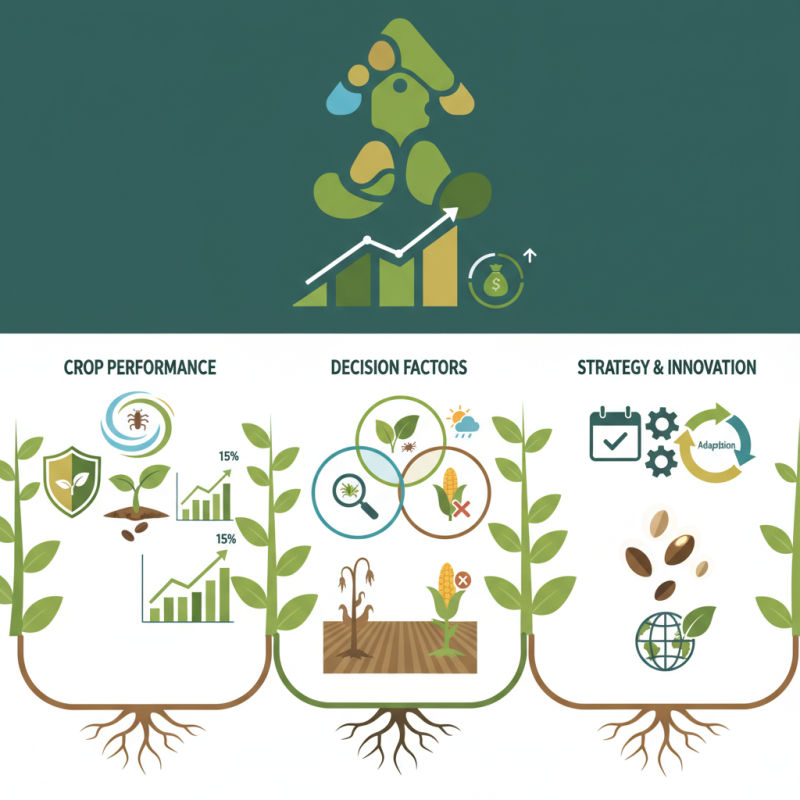
Selecting the right seed treatment is crucial for optimal crop performance. Reports indicate that seed treatment can enhance emergence by up to 15%. This improvement leads to healthier plants and ultimately higher yields. Currently, the global seed treatment market is projected to reach $4.2 billion by 2026.
Farmers must consider several factors when choosing a seed treatment. Different crops may require varied approaches. For instance, treatments can protect against diseases and pests, but they may differ in effectiveness based on environmental conditions. Data shows that untreated seeds are at a greater risk of yield loss. Thus, evaluating each seed treatment's strengths and weaknesses is essential.
While many treatments are scientifically validated, some show unanticipated results under specific conditions. Research from 2022 highlights that not all corn seed treatments yield consistent protection against pests. Farmers must remain critical of available options and continuously adapt their strategies. In doing so, they can achieve sustainable farming practices while maximizing their crop potential.
Understanding Seed Treatment: Importance and Benefits
Seed treatment is essential in modern agriculture. It enhances crop health and boosts yields. Farmers are increasingly recognizing the importance of protecting seeds from pests and diseases. This protective measure can lead to healthier plants and improved productivity.
Effective seed treatment can prevent early-season challenges. It minimizes the risk of seed-borne diseases. Additionally, proper treatment ensures even germination. Healthy seedlings have a greater chance of thriving. However, not all treatments are equally effective or suitable for every crop. Farmers should consider specific needs and local conditions when choosing a treatment.
Tips: Always consult with local agricultural experts. They can provide valuable insights tailored to your region. Experiment with different treatments on a small scale before wide application. Observe and reflect on results to make informed decisions. Understanding how different treatments impact crop health will help in selecting the best options for your needs.
Types of Seed Treatments: Chemical, Biological, and Physical Methods
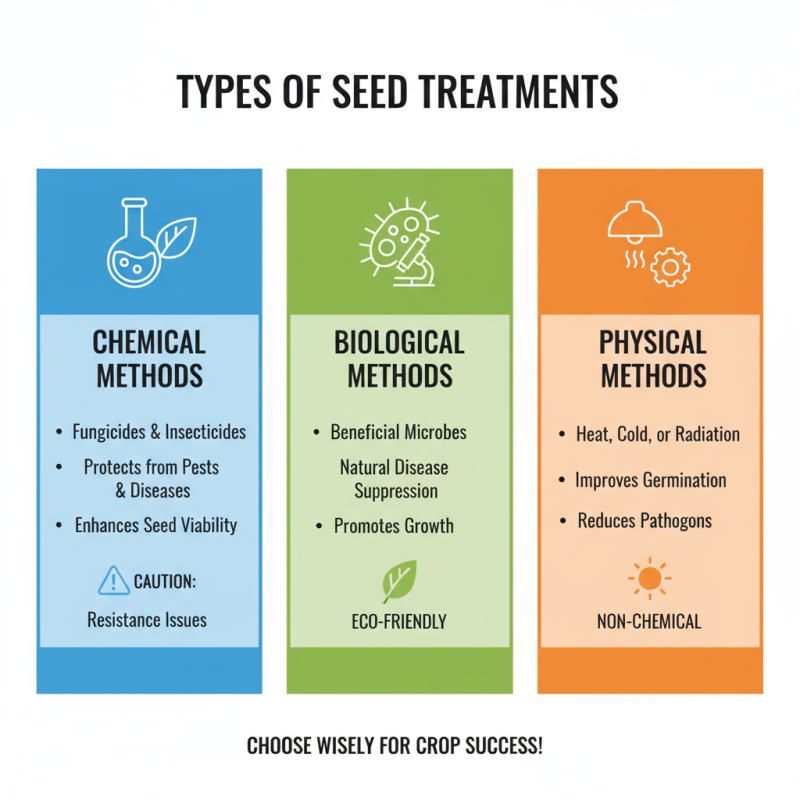
Choosing the right seed treatment is crucial for crop success. Three main types of seed treatments exist: chemical, biological, and physical methods. Chemical treatments are widely used to protect seeds from pests and diseases. They often contain fungicides and insecticides that help enhance seed viability. However, misuse of chemicals can lead to resistance issues.
Biological methods use beneficial microorganisms to promote seed growth. These treatments are environmentally friendly and can improve soil health. For instance, mycorrhizal fungi help in nutrient absorption. Still, these methods may not provide immediate results.
Physical treatments involve processes like coating and soaking seeds. They can help with germination and disinfection. A simple seed soaking can enhance water uptake, leading to quicker sprouting. Yet, improper execution can damage seed coats.
Tips: Always assess soil health before selecting a treatment. Consider the local pest and disease pressures. Regularly test seed viability to inform your choice. Remember, every method has its pros and cons; a tailored approach works best for your specific crops.
Factors to Consider When Choosing Seed Treatments
Choosing the right seed treatment is crucial for crop success. Several factors play a role in this decision. One significant aspect is the specific threats your crops face. For instance, the data from the International Seed Federation indicates that approximately 30% of all crop yields are lost due to diseases and pests. Understanding the common diseases in your area can help target treatments effectively.
Another important consideration is the type of crop being planted. Certain crops may respond differently to specific treatments. For example, cereals might require different chemical applications than legumes. Research from the American Society of Agronomy shows that selecting the right treatment can enhance the vigor by up to 20%.
Cost is also a major factor. While investing in high-quality seed treatment might seem expensive, the potential return on investment is often significant. It is essential to weigh the initial costs against the benefits. Moreover, consider local regulations regarding seed treatments. Not all products are approved for use everywhere. This highlights the need for careful research and planning. A well-informed decision can lead to healthier crops and better yields.
How to Choose the Best Seed Treatment for Your Crops?
| Factor |
Description |
Importance Level |
| Pest Control |
Choose treatments that target specific pests affecting your crop. |
High |
| Fungal Protection |
Look for seed treatments that prevent fungal infections. |
Medium |
| Compatibility |
Ensure the treatment is compatible with the specific seed variety. |
High |
| Soil Type |
Consider the soil conditions and how they interact with the treatment. |
Medium |
| Environmental Impact |
Assess the environmental effects of the seed treatment options. |
High |
Evaluating Effectiveness: Testing and Field Trials
Evaluating the effectiveness of seed treatments is crucial for maximizing crop yields. According to a report by the American Society of Agronomy, properly chosen seed treatments can improve seedling vigor by up to 30%. This improvement can significantly impact overall crop performance, especially in challenging conditions.
Field trials serve as a powerful tool for testing seed treatments. They provide real-world data on how different treatments perform under various environmental conditions. For instance, a study published in the Journal of Applied Seed Technology found that trial results showed a 25% reduction in disease incidence among treated seeds. These results emphasize the importance of thorough testing before making treatment decisions.
Farmers should also monitor their outcomes closely. Not all treatments will yield consistent results in every situation. By comparing treated versus untreated crops, growers can identify what works best for their specific conditions. The variability highlighted in different trials suggests that local adaptations are essential. Careful evaluation can lead to more informed decisions and better returns on investment.
Best Practices for Applying Seed Treatments in Agriculture
Seed treatments play a crucial role in agriculture. They protect seeds from pests and diseases. However, proper application is essential for effectiveness. Here are some best practices to follow.
When applying seed treatments, ensure even coverage. Uneven application can lead to poor protection. Use calibrated equipment to accurately dose the treatments. This helps avoid wastage and ensures every seed has the necessary protection. Monitor the moisture content of the seeds; overly wet or dry seeds can affect adhesion.
It's important to keep a clean workspace. Contaminated equipment can compromise treatment effectiveness. Always follow safety protocols during application. Wear protective gear and follow guidelines for safe handling. Also, assess effectiveness regularly. Track plant health and yield to determine if adjustments are necessary.
Consider environmental impacts as well. Some treatments may affect non-target species. Assess local guidelines and recommendations to minimize negative outcomes. This reflection ensures responsible practices. Implementing these tips can lead to healthier crops and improved yields.
Seed Treatment Effectiveness by Crop Type