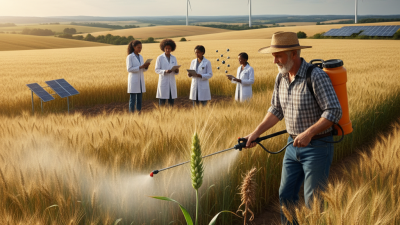
Top 10 Best Pesticides for Plants to Boost Your Yield?
In the realm of modern agriculture, the use of effective pesticides for plants is paramount. Noted agronomist Dr. Emily Johnson emphasizes, "Pesticides are crucial for maximizing crop yield while maintaining plant health." With growing concerns over food security, the demand for efficient solutions has never been higher.
Choosing the right pesticides can significantly influence a farm's productivity. Various products are available, each with unique benefits. However, not every pesticide on the market is equally effective. Some may fail to deliver desired results, highlighting the need for informed choices.
Farmers often grapple with the dilemma of pesticide usage. Balancing plant protection and environmental impact requires careful consideration. Thus, understanding the best options for pesticides for plants is essential. This article explores the top ten pesticide choices, providing insights for those seeking to boost their yields responsibly.
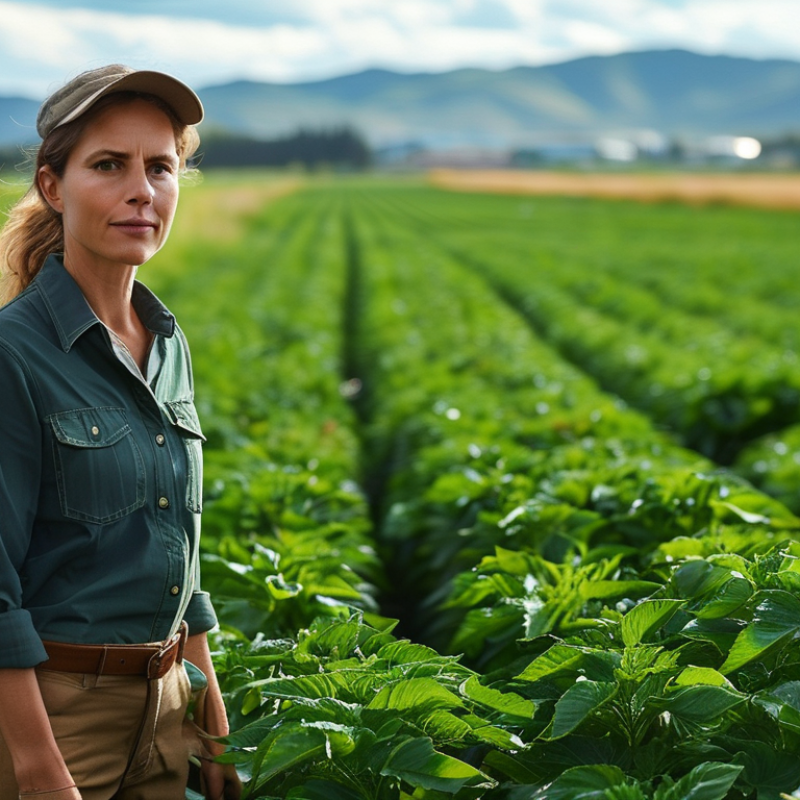
Overview of Pesticides and Their Role in Plant Growth
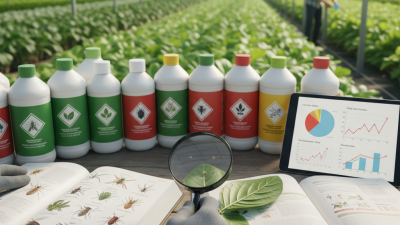
Pesticides play a crucial role in supporting plant growth. They help control pests, diseases, and weeds, which can severely harm crops. Effective use of pesticides can lead to higher yields and better quality plants. Farmers often face the challenge of choosing the right pesticide for their specific needs. This decision is influenced by the type of plants being grown and the specific pests affecting them.
Understanding the various types of pesticides is essential. Insecticides target harmful insects, while fungicides fight fungal infections. Herbicides, on the other hand, are used to eliminate unwanted weeds. Each type has a distinct function, and their improper use can lead to a decline in crop health. An overly reliant approach may result in resistance, making pests harder to control over time. It is vital to apply pesticides judiciously, considering environmental impacts as well.
Proper application techniques are equally important. Timing, dosage, and method of application all affect efficacy. Regular monitoring of plant health can guide when pesticides should be introduced. Engaging in sustainable practices, like integrated pest management, can enhance the benefits of pesticide use. This balance is necessary to maintain healthy plants while minimizing potential negative impacts on ecosystems.
Top 10 Best Pesticides for Plants to Boost Your Yield
Types of Pesticides: Insecticides, Fungicides, and Herbicides
When it comes to protecting your plants, understanding the types of pesticides is crucial. Insecticides target harmful insects that can damage your crops. They disrupt the life cycle of these pests, reducing their population. However, improper use can harm beneficial insects. Always read the label and apply accordingly.
Fungicides play a vital role in controlling plant diseases caused by fungi. These diseases can lead to significant crop loss. Applying fungicides at the right growth stage is essential. Timing can make a difference in how effective the treatment is. Remember, overuse can lead to resistance in fungal populations.
Herbicides help manage unwanted weeds that compete for nutrients and water. They come in selective and non-selective forms. Selective herbicides focus on specific plants, while non-selective can destroy any green tissue. Incorrect application might result in damage to your desired crops. Understanding each type's specific function helps ensure a healthy yield. Knowledge and careful application can finesse your gardening practices.
Top 10 Pesticides Recommended for Boosting Plant Yields
When it comes to boosting plant yields, selecting the right pesticides is crucial. The synergy between plant health and pest management can significantly enhance productivity. Many pesticides help protect plants from pest infestations. This protection can lead to improved growth and higher yields. Understanding the types of pests common in your area is the first step to effective pest management.
Organic options exist for those looking to go chemical-free. These alternatives often rely on natural ingredients, making them safer for the environment. However, their effectiveness may vary. Consequently, it’s important to research these options fully. Consulting local agricultural experts or extension services can provide insights into the most effective pest control methods tailored to your crops.
Monitoring your plants regularly is essential. Keep an eye out for signs of pests or disease. Early detection is key to preventing an outbreak. Aim for a balanced approach that integrates both preventative and reactive strategies. This may include rotation of pesticides to prevent resistance. Experimenting with different methods can lead to better overall plant health and yield. Be open to adjusting your practices based on results.
Factors to Consider When Choosing Pesticides for Your Garden
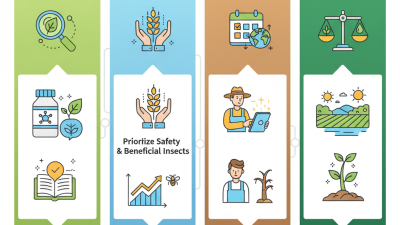
When selecting pesticides for your garden, it's essential to understand their impact on plant health and yield. Consider the types of pests you are dealing with. Some pesticides target specific insects, while others have a broader spectrum. This knowledge will help you choose the right product for your plants.
Evaluate the safety of the pesticide as well. Organic options are often less harmful to beneficial insects and pollinators. However, they may not always be as effective. Look for pesticides that have been tested and certified for use in gardens. Researching their ingredients can also provide insight into their environmental impact.
Tips for effective pesticide use include applying them during calm weather. Wind can spread pesticides to unintended areas. Always read the label for instructions on dosage and timing. Additionally, keep a close watch on your plants after application. If you notice any adverse effects, reassess your choice and consider alternative methods. Regularly rotating different pesticides can also help prevent pest resistance. This approach will lead to healthier plants and potentially better yields.
Application Methods for Effective Use of Pesticides on Plants
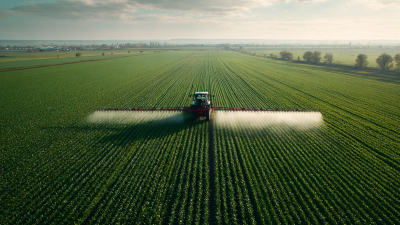
Proper application methods are crucial for the effective use of pesticides on plants. Research indicates that improper application can reduce effectiveness by up to 40%. Achieving optimal pesticide efficacy requires an understanding of the formulation and plant species. Some formulations work best as sprays while others may need to be absorbed through the soil.
Timing is also essential. Applying pesticides during the early morning or late evening minimizes the impact of sunlight, which can degrade some active ingredients. Soil moisture plays a key role too; wet conditions can increase absorption but can wash away pesticides if too much rain occurs shortly after application.
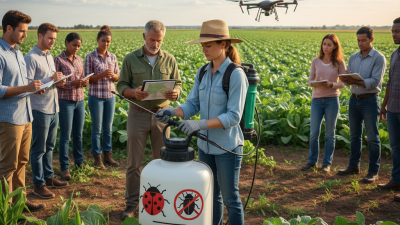
Calibration of sprayers is vital. Uneven application can lead to insufficient coverage, leaving some plants vulnerable to pests. According to a study by the American Society of Agronomy, properly calibrated equipment can enhance pesticide performance by over 30%. It’s important to continuously review methods and adjust based on plant health and pest populations. Effective use of pesticides should evolve through experience, requiring ongoing reflection and adjustment.