Why Is Crop Protection Important for Modern Farming?
Modern farming must produce dependable harvests while facing insects, weeds, plant diseases, and increasingly variable weather. Crop protection helps farmers reduce these risks through monitoring, resistant varieties, biological controls, and carefully selected treatments. It is not simply about spraying fields. Good decisions often begin with small details: leaf damage, soil moisture, disease patterns, and the timing of a pest’s life cycle.
The stakes are substantial. The Food and Agriculture Organization of the United Nations estimates that plant pests destroy up to 40% of global food crops each year (FAO, 2019, “International Year of Plant Health”). This is a global estimate, not a prediction for every farm, and it does not mean all losses can be prevented. Still, it shows why early detection and sound crop management matter. A few damaged leaves may signal a larger problem; a poorly timed response may waste resources without protecting the harvest.
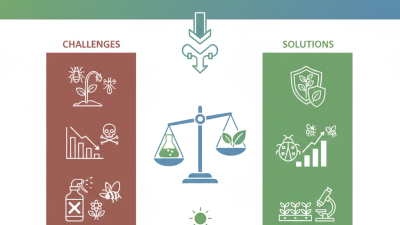
Effective crop protection also has to account for costs, worker safety, beneficial insects, and the surrounding environment. Integrated pest management offers a practical framework: assess the field, consider non-chemical options, and intervene when evidence supports action. The approach is useful, but never effortless. Farmers work with uncertainty, and even careful plans can fail. That is worth admitting. Understanding crop protection therefore means looking beyond yields to the choices, evidence, and trade-offs behind each healthy crop.
What Crop Protection Includes in Modern Farming
What Crop Protection Includes in Modern Farming
Crop protection is a set of connected practices, not simply a spray applied when leaves look damaged. It begins with prevention: choosing suitable crop varieties, rotating fields, managing weeds, and keeping tools clean. Healthy soil and well-timed planting can make crops less vulnerable, though neither prevents every problem.
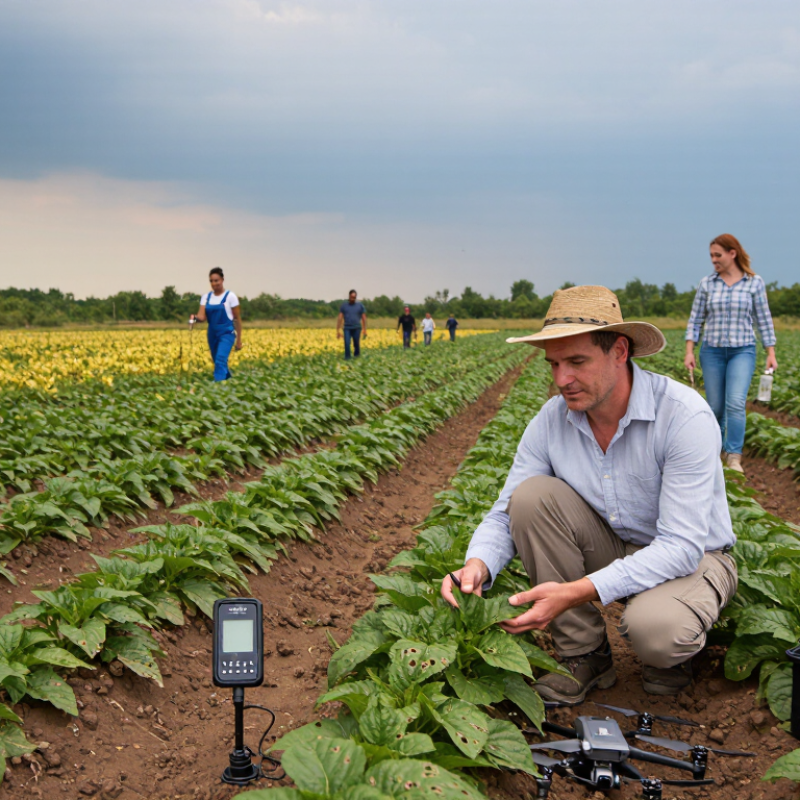
Farmers also monitor fields for early signs of insects, disease, weeds, and weather stress. A yellow leaf, chewed edge, or patch of wilting plants may signal trouble, but symptoms can have several causes. Regular scouting and accurate identification help avoid treating the wrong problem. Small clues matter. Traps, field notes, and advice from qualified agricultural specialists can support decisions.
When intervention is needed, crop protection may combine physical barriers, mechanical weed control, beneficial organisms, and carefully selected crop-protection products. The choice depends on the crop, pest, growth stage, and local conditions. Treatments should follow label directions and relevant safety guidance. Applying more is not automatically better; it may harm helpful insects or waste resources. No plan works perfectly. Rain can wash away a treatment, and pest pressure can change quickly, so farmers often reassess conditions and adjust their approach.
The Main Threats to Crops and Their Effects
Modern farms face several threats at once. Insects may chew leaves, bore into stems, or damage fruit before harvest. A few holes can become a serious problem when pests multiply quickly. Plant diseases, including fungal infections, often spread in damp, crowded canopies. They can stain produce, weaken plants, or kill young seedlings. Weeds compete for light, water, and nutrients. The losses are not always obvious at first.
Weather adds another layer of risk. A dry spell can leave shallow-rooted crops wilting by midday, while heavy rain may waterlog fields and encourage disease. Heat during flowering can reduce seed or fruit formation. Hail and strong winds can bruise produce or flatten plants. One patch tells little. Threats vary by crop, soil, and season, so damage in one field does not predict what will happen nearby.
The effects reach beyond lower yields. Damaged crops may be harder to store, sell, or process, and uneven harvests can disrupt farm planning. Some losses appear only after harvest, which makes early scouting valuable. A grower can inspect leaves, stems, and soil, then compare changes over time. No single observation is perfect. It is easy to focus on visible insects and miss weeds or early disease. Crop protection works best when farmers assess the whole field and respond to the specific risks they find.
How Farmers Protect Crops at Each Growth Stage
Crop protection begins before a crop emerges. A clean seedbed, suitable varieties, and crop rotation can reduce early disease and weed pressure. FAO’s 2019 plant-health materials estimate that plant pests destroy up to 40 percent of global crops each year. The risk is not abstract. A few missed seedlings can leave gaps across a whole row.
At emergence, farmers inspect plants for chewing damage, discoloration, and uneven growth. During vegetative growth, regular field walks help spot weeds and insects before populations rise. Check leaf undersides, too. During flowering and fruit development, monitor disease and local weather closely; avoid unnecessary treatments that could harm pollinators. Use integrated pest management: combine cultural, biological, and, when justified, carefully selected control measures. Timing matters.
Near harvest, growers watch for late-season disease, damaged fruit, and harvest delays. After picking, clean containers and dry, well-managed storage limit spoilage. FAO’s 2019 State of Food and Agriculture report estimated that 14 percent of food was lost between harvest and retail. Records of pest counts, weather, and treatments help guide next season’s choices. They are not perfect; field notes can be incomplete, and one season rarely predicts the next. That uncertainty deserves attention.
Why Is Crop Protection Important for Modern Farming?
How Farmers Protect Crops at Each Growth Stage
Why it matters: The FAO estimates that plant pests destroy up to 40% of global crop production each year. The chart shows this upper estimate, not a guaranteed loss for an individual farm.
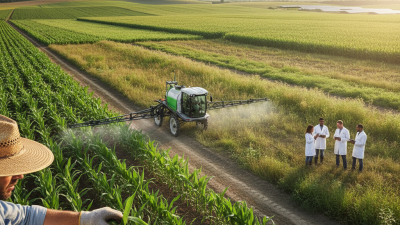
Protection changes as crops grow: At establishment, farmers check seedlings and manage weeds. During vegetative growth, they scout for pests and disease. At flowering, they consider pollinators before choosing control measures. During fruit or grain development, they monitor for damage and follow product label directions, including any pre-harvest interval.
Source: Food and Agriculture Organization of the United Nations (FAO), plant health estimates.
Benefits of Crop Protection for Yield and Food Supply
Crop protection helps farmers preserve more of the food they grow. Insects, plant diseases, and weeds can damage crops before harvest, reducing both quantity and quality. A patch of fungal disease may spread across damp leaves, while weeds compete with young plants for water and light. That matters. Monitoring fields early can reveal problems while they are still manageable.
A mix of practices can limit losses: rotating crops, removing infected plants, choosing suitable varieties, and using targeted treatments when needed. These steps can make harvests more dependable, helping farms supply markets with steadier amounts of grain, fruit, and vegetables. They can also reduce blemishes and spoilage, so more produce remains usable after picking. Not every season. Weather, pest pressure, and farm conditions vary, so no single method works everywhere. Poor timing or repeated reliance on one control can create new problems, including resistance or harm to beneficial insects. Crop protection is not a cure-all; farmers must weigh immediate crop needs against longer-term soil and ecosystem health. Sometimes the decision is difficult, especially when early signs are unclear. A few damaged leaves may be harmless, or they may signal a wider outbreak.
Crop Protection’s Role in Sustainable Agriculture
Why Is Crop Protection Important for Modern Farming?
Crop Protection’s Role in Sustainable Agriculture
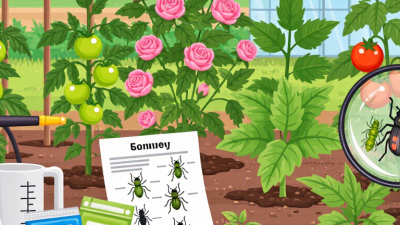
Crop protection supports sustainable farming when it prevents avoidable losses without treating every insect or weed as a threat. A grower walking a field can check leaf undersides, look for fresh feeding marks, and compare damaged plants with healthy ones. Small details matter. Monitoring helps distinguish a spreading problem from harmless presence, so interventions can be timed more carefully.
A resilient plan can combine crop rotation, resistant varieties, habitat for beneficial insects, and targeted treatments when monitoring shows a real need. Rotating crops may interrupt some pest life cycles, while flowering field margins can offer food and shelter for pollinators and natural predators. These methods are not instant fixes. Weather, soil conditions, and pest pressure can change their results from one season to another.
Even carefully selected treatments may affect organisms beyond the target, and repeated use can encourage resistance. That balance is imperfect. Farmers need to weigh crop losses against effects on soil life, water, and nearby habitats, then keep records of what worked. A simple field log—date, pest count, treatment, and later observations—can reveal patterns that memory misses. Sometimes the honest finding is that a measure helped less than expected.