How to Store Pesticides Safely for Global Buyers?
For global buyers, pesticide storage is not merely a warehouse task. It protects workers, communities, products, and business continuity. A well-planned storage area begins with accurate labels, current safety data sheets, and clear inventory records. It also respects the rules of every destination and transit country.
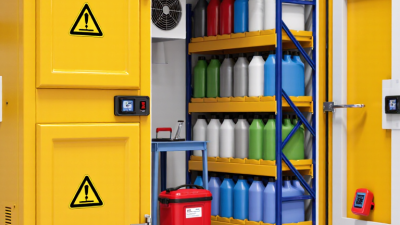
Small details matter. Keep products in their original, sealed containers. Place them on strong shelves above a sealed floor. Use secondary containment where leaks could spread. Separate incompatible products, food, animal feed, seeds, and personal protective equipment. Maintain suitable temperature and ventilation, while preventing direct sunlight, flooding, and unauthorized access. Fire equipment and emergency contacts should remain visible.
Check the room regularly. Look for damaged caps, faded labels, swollen containers, stains, or unusual odors. Even a clean room can hide a serious problem. Buyers should confirm storage requirements with manufacturers, qualified safety professionals, and relevant authorities before shipment. Requirements may differ by formulation, climate, packaging size, and local classification.
A practical plan should include staff training, restricted access, spill-response procedures, stock rotation, and documented inspections. Digital records help, but paper backups still matter when systems fail. Some assumptions may prove wrong after a warehouse audit. That is why responsible storage depends on evidence, not habit. This guide explains how global buyers can build safer, traceable, and legally responsible pesticide storage practices.
Pesticide Storage Risks and Regulatory Requirements
How to Store Pesticides Safely for Global Buyers?
Pesticide Storage Risks and Regulatory Requirements
For global buyers, pesticide storage must follow both product instructions and local regulations. One country’s approval does not guarantee storage compliance elsewhere. Requirements may cover temperature, ventilation, fire protection, worker training, and emergency planning. Always obtain the current Safety Data Sheet and approved label before receiving goods. Documents should match the shipment, language requirements, and destination authority.
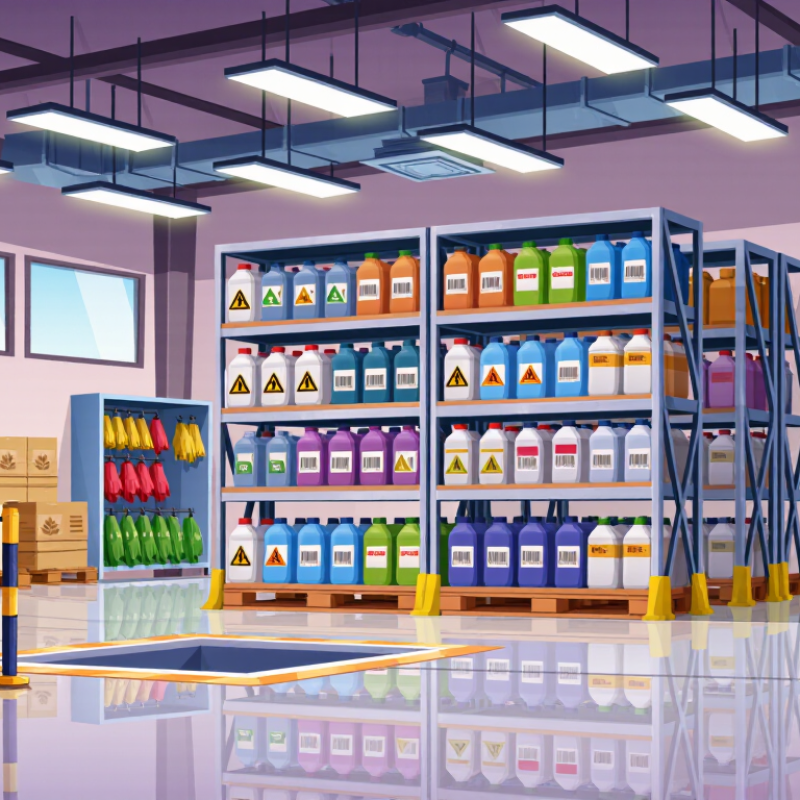
Store containers in a locked, dry, well-ventilated room with clear warning signs. Keep products away from food, animal feed, medicines, drains, and direct sunlight. Use compatible shelving and secondary containment to control leaks. Separate incompatible materials according to the Safety Data Sheet. A damaged carton needs isolation, not a quick repair. Maintain an inventory with batch numbers, quantities, dates, and inspection records.
Regulatory checks may also require permits, building approvals, fire-code compliance, and controlled waste procedures. Workers need documented training, suitable protective equipment, and access to emergency contacts. Inspect floors, caps, labels, ventilation, and spill kits regularly. A practical checklist helps, but it is not proof of compliance. Rules change, and experienced teams can miss small label differences. Buyers should verify requirements with the competent authority, qualified safety professionals, and local logistics partners before shipment.
Selecting a Suitable Storage Facility and Location
How to Store Pesticides Safely for Global Buyers?
Selecting a suitable storage facility starts with location, not price. Choose an industrial site approved for agricultural chemicals and compatible with local regulations. Avoid floodplains, unstable ground, residential neighborhoods, schools, and protected water sources. A remote facility is not always safer. Poor roads can delay emergency services and deliveries.
The building should have controlled access, strong ventilation, weatherproof walls, and a sealed, non-porous floor. Secondary containment must hold leaks without allowing them to reach soil or drains. Separate incompatible products, damaged containers, and empty packaging. Clear labels should remain visible from receiving through dispatch. Fire detection, spill-control materials, emergency lighting, and eyewash stations need regular inspection. They cannot simply sit unused.
A reliable facility also needs trained staff and documented procedures. Keep an updated inventory with product names, quantities, batch details, and storage dates. Use temperature and humidity monitoring when the product label requires it. Select a site with dependable power, secure loading areas, and access for compliant transport. Local emergency responders should know the facility’s hazards and contact details.
The cheapest warehouse can become expensive after one leak. A perfect site rarely exists. Risk assessments may still miss seasonal flooding, staff turnover, or poor contractor habits. Review the facility after major weather events and operational changes. Ask difficult questions before signing: Can damaged containers be isolated? Can an inspector access records quickly? Is the emergency plan practical at midnight?
How to Store Pesticides Safely for Global Buyers? - Selecting a Suitable Storage Facility and Location
| Evaluation Dimension | Recommended Requirement or Realistic Benchmark | Reason for Selection | Verification Evidence |
|---|---|---|---|
| Legal and regulatory suitability | The facility should comply with the pesticide, hazardous-material, fire-safety, environmental, occupational-health, and building regulations applicable in the storage country and local jurisdiction. | Storage distances, licensing requirements, permitted quantities, and fire controls vary by country and product hazard classification. | Current permits, inspection records, site approval documents, emergency plans, and documented legal review. |
| Location away from sensitive areas | Select a site away from drinking-water sources, wells, food-processing areas, schools, hospitals, residences, floodplains, and environmentally sensitive zones. Apply the separation distances required by local law. | Reduces the potential impact of leaks, fire, contaminated runoff, vapor release, or unauthorized access. | Up-to-date site map, flood-risk assessment, surrounding-land-use survey, drainage map, and regulatory setback confirmation. |
| Flood and extreme-weather exposure | Avoid locations with a known flood or storm-surge risk. Where no alternative exists, keep pesticides above the design flood level and protect access, power, drainage, and emergency systems. | Floodwater can spread pesticides beyond the facility and damage containers, labels, pallets, and electrical systems. | Flood maps, historical flood records, drainage design, elevated-storage plan, and severe-weather response procedure. |
| Building construction | Use a robust, non-combustible or fire-resistant structure with an impermeable, chemically resistant floor. Floors should be free of cracks and designed to prevent uncontrolled discharge to soil or drains. | Limits fire spread, soil contamination, and migration of spilled material. | Construction specifications, floor inspection reports, drainage drawings, and chemical-compatibility documentation. |
| Secondary containment | Provide bunding, spill pallets, or another containment system sized according to local law and the stored inventory. A common design target is at least 110% of the largest container, with additional capacity where regulations require it. | Captures leaks and prevents contaminated liquid from entering soil, drains, or surface water. | Containment-volume calculations, inspection logs, drain-sealing arrangements, and maintenance records. |
| Temperature and sunlight control | Keep products in a cool, dry, shaded, well-ventilated area within the temperature range stated on the product label and Safety Data Sheet. Do not store products where they can freeze, overheat, or receive direct sunlight unless specifically permitted. | Heat, freezing, moisture, and ultraviolet exposure can reduce product stability and damage packaging. | Calibrated temperature records, humidity monitoring where relevant, alarm logs, and label/SDS review. |
| Ventilation and air quality | Provide natural or mechanical ventilation appropriate to the product hazards and building design. Prevent pesticide vapors, dust, or aerosols from entering offices, welfare areas, occupied buildings, or public spaces. | Reduces worker exposure and limits the accumulation of hazardous vapors or combustible atmospheres. | Ventilation design, airflow-test records, maintenance logs, and occupational exposure assessment. |
| Product segregation | Separate pesticides from food, feed, medicines, personal protective equipment, seeds, and packaging materials. Segregate incompatible chemicals, including oxidizers, fuels, acids, alkalis, and products identified as incompatible in the SDS. | Prevents cross-contamination, dangerous reactions, and accidental consumption or misuse. | Compatibility matrix, storage plan, clearly marked zones, and routine segregation inspections. |
| Packaging and pallet condition | Store products in their original, approved, tightly closed containers with legible labels. Use sound pallets and keep containers stable, upright, and protected from impact. | Maintains product identity and reduces leakage, collapse, and handling damage. | Packaging inspection checklist, pallet inspection records, container-integrity checks, and label verification. |
| Inventory control and shelf life | Use a documented inventory system with batch number, quantity, receipt date, expiry or retest date, hazard classification, and storage location. Apply first-expiry, first-out handling where appropriate. | Improves traceability and reduces accumulation of obsolete or degraded stock. | Digital or paper inventory records, cycle-count results, batch traceability, and obsolete-stock disposal records. |
| Security and access control | Use locked access, controlled keys or electronic entry, perimeter security, warning signs, visitor controls, and access limited to trained and authorized personnel. | Reduces theft, tampering, misuse, accidental exposure, and unauthorized transport. | Access logs, security inspection records, training records, signage checks, and incident reports. |
| Fire prevention and protection | Control ignition sources, prohibit smoking, maintain suitable fire detection and extinguishing equipment, keep emergency routes clear, and follow the fire controls specified by the SDS and local fire code. | Some pesticide formulations and packaging materials may burn or produce hazardous combustion products. | Fire-risk assessment, equipment inspection tags, alarm tests, emergency-route inspections, and fire drills. |
| Spill response capability | Keep compatible absorbents, collection containers, drain covers, protective equipment, decontamination materials, emergency contacts, and written spill procedures immediately available. | Rapid containment reduces worker exposure and prevents contamination from spreading outside the storage area. | Spill-kit inspection records, response drills, emergency contact lists, waste-transfer documents, and incident investigations. |
| Worker welfare and personal protection | Provide suitable personal protective equipment based on the product label and SDS, together with hand-washing facilities, clean changing areas, and access to emergency eyewash or safety showers where the risk assessment requires them. | Reduces the likelihood and severity of skin, eye, inhalation, and ingestion exposure. | Risk assessments, PPE issue records, facility inspections, hygiene checks, and worker training records. |
| Transport and logistics access | Choose a location with safe vehicle access, adequate turning and loading space, weather-protected loading operations, secure staging areas, and separation between pesticide handling and public traffic. | Reduces collision, dropped-container, weather, congestion, and unauthorized-access risks during loading and unloading. | Traffic plan, loading-area inspection, vehicle safety procedures, delivery records, and contractor qualification documents. |
| Emergency communication and documentation | Maintain current Safety Data Sheets, product labels, emergency contacts, site plans, chemical inventories, first-aid instructions, and procedures in the local working language. | Enables workers, emergency responders, and authorities to identify hazards and act quickly during an incident. | Document-control register, SDS review dates, emergency-plan tests, multilingual signage, and training attendance records. |
Note: Product labels, Safety Data Sheets, applicable transport rules, and local laws take precedence over general storage benchmarks.
Organizing Containers, Labels, and Inventory Records
Safe pesticide storage starts with disciplined container control. Keep products in their original, sealed containers, never in food, drink, or unmarked bottles. Inspect caps, seams, and corrosion before every shipment. A small leak can contaminate shelving, pallets, and transport paperwork. Store containers upright, off the floor, and away from heat, sunlight, water drains, and incompatible materials.
Labels must remain readable from a standing position. Record the product name, active ingredient, concentration, batch number, registration status, received date, and expiry date. Use the original hazard information and the destination country’s approved language requirements. The FAO and WHO International Code of Conduct recommends clear labeling and traceability throughout the pesticide life cycle. This matters because a 2020 BMC Public Health review estimated 385 million unintentional acute pesticide poisonings worldwide each year. One missing detail can become a serious handling mistake.
Tips: Use a weekly stock check. Apply first-expiring, first-out control. Keep a digital backup, but retain signed inspection records. Photograph damaged labels before isolation. Separate quarantined containers from saleable inventory. A tidy shelf can still hide a weak record. I would review stock counts against invoices monthly, because manual entries are not always reliable. Train staff to report discrepancies immediately, without guessing product identity. Good storage is not only about locked doors; it is visible information, consistent checks, and evidence that another trained person can understand.
Controlling Temperature, Ventilation, and Spill Hazards
How to Store Pesticides Safely for Global Buyers?
Global pesticide storage requires more than a locked room. FAOSTAT reported approximately 3.7 million tonnes of pesticides used worldwide in 2022. That scale increases the need for disciplined warehouse controls. Store every product according to its Safety Data Sheet and label. Do not assume one temperature suits all formulations. Use shaded, weatherproof buildings, and keep containers away from heaters, windows, and direct sunlight. A simple temperature logger can reveal harmful overnight peaks.
Ventilation must remove vapors without spreading contamination to offices or neighboring goods. Keep air inlets and outlets unobstructed. Never use ordinary fans near flammable formulations unless the equipment is properly rated. The UN Environment Programme’s Global Chemicals Outlook II reported 2.3 billion tonnes of chemicals produced in 2017, with production expected to double by 2030. Larger supply chains need documented inspections, not memory.
Spill prevention starts with secondary containment, sealed floors, and clear separation of incompatible products. Keep absorbent material, drain covers, labels, and suitable protective equipment outside the spill zone. Never wash pesticide residues into drains. Inspect pallets for leaks and swelling before unloading. Train workers to isolate the area and follow the SDS emergency section. A tidy warehouse can still fail during a power cut or heavy rain. That weakness deserves testing. Review temperature records, ventilation performance, and spill drills with local safety professionals before each seasonal shipping cycle.
Preparing Emergency Procedures and Safe Disposal Plans
Emergency procedures should be prepared before pesticides arrive at a warehouse. Keep a written plan beside the storage entrance, with local emergency numbers, site maps, and product safety data sheets. Workers should know the alarm signal, evacuation route, assembly point, and location of spill-control materials. Do not depend on memory during a stressful incident.
For a leak, isolate the area and keep untrained people away. Wear the protective equipment specified by the safety data sheet. Stop the source only when it can be done safely. Prevent liquid from reaching drains, soil, or surface water. Use compatible absorbent material, then place contaminated waste in a sealed, labeled container. Never wash a pesticide spill into a drain. For skin or eye exposure, use the emergency eyewash or shower immediately and seek medical advice. Fire response must be handled by trained responders, because heat can damage containers and create dangerous vapors.
Disposal plans should identify an approved hazardous-waste provider before stock becomes unusable. Keep damaged, expired, or contaminated products separate from saleable inventory. Never burn pesticides, pour them onto land, or reuse empty containers for other purposes. Rinse containers only when local instructions allow it, and manage rinsate as pesticide waste. Record quantities, dates, container conditions, and transfer documents. A quiet weakness often remains: emergency plans are written but not practiced. Schedule realistic drills, review mistakes, and update contacts when shipments cross borders. Local requirements can differ, so each destination needs a documented compliance check.
How to Store Pesticides Safely for Global Buyers?
Preparing emergency procedures and safe disposal plans requires clear controls before, during, and after pesticide storage. This checklist is aligned with widely used FAO, WHO, GHS, and regulatory good-practice principles; local legal requirements should always be verified.
Key message: A complete storage plan should cover secure access, correct labeling, segregation, spill response, emergency communication, inventory control, and compliant disposal. Never pour pesticides into drains or reuse pesticide containers for other purposes.
Related Posts
-
What Are the Best Pesticide Storage Solutions from China?
-
Top 5 Tips for Choosing Corteva Fungicides Effectively?
-

10 Essential Tips for Choosing the Best Agriculture Chemical Solutions?
-

How to Source Corteva Chemicals for Global Buyers?
-
Top 10 Types of Pesticide Control Products for Global Buyers
-

Why is Tebuconazole Fungicide Important for Agriculture?