Top Crop Science Innovations in 2026 What Buyers Need to Know
As we approach 2026, the field of crop science is experiencing unprecedented innovations. These breakthroughs are transforming agricultural practices and impacting global food production. Buyers need to stay informed about these advancements to make educated decisions. Understanding these innovations is crucial for ensuring sustainable farming and food security.
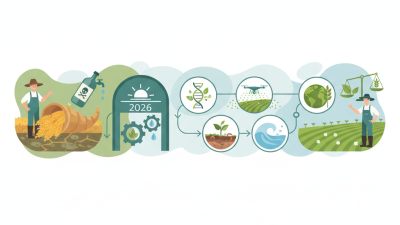
Crop science innovations focus on improving yield, resilience, and sustainability. Techniques like precision agriculture and biotechnology are at the forefront. These methods not only enhance productivity but also reduce environmental impacts. However, navigating this landscape can be challenging. Buyers must evaluate these options critically to find reliable solutions.
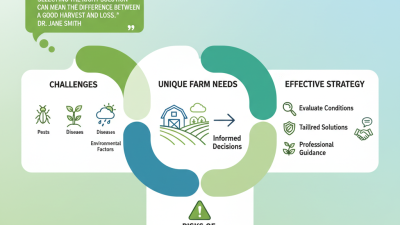
It is essential to acknowledge that not all innovations will suit every need. Each farm has unique requirements that may not align with the latest technologies. This calls for reflection and careful consideration. By understanding the nuances of crop science, buyers can make informed choices that align with their specific goals.
Top Crop Science Innovations Transforming Agriculture in 2026
In 2026, crop science is experiencing a revolutionary shift. Advances in gene editing technology are leading the way. These innovations offer the potential to create crops resistant to diseases and pests. This method reduces reliance on chemical pesticides, promoting more sustainable farming practices. Farmers are increasingly looking for solutions that improve yield without sacrificing soil health.
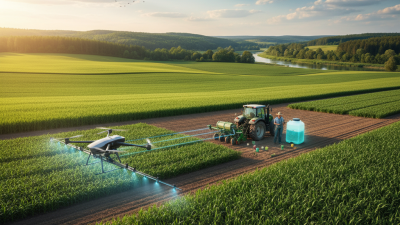
Data analytics plays a crucial role in this transformation. By leveraging big data, farmers can make informed decisions. Precision agriculture is now more accessible than ever. Technologies like drones and soil sensors allow for tailored irrigation and fertilization. However, the cost of adopting these technologies may raise concerns for small-scale farmers. Ensuring equitable access is vital for widespread success.
Moreover, there are challenges to note. The regulatory environment is evolving but remains complex. Farmers must navigate these regulations to implement new techniques. Additionally, public perception can influence the acceptance of innovative practices. Open dialogue about safety and environmental impact is essential for fostering trust within communities.
Emerging Technologies in Crop Genetics: What to Anticipate
Emerging technologies in crop genetics are transforming agriculture. In 2026, buyers must stay informed about significant advancements. Genetic editing tools, like CRISPR, are becoming more accessible. These techniques allow precise modifications in plant DNA. Farmers can enhance pest resistance or increase yield potential.
New gene mapping technologies are being developed as well. These tools help identify traits that contribute to better crop performance. Visualization techniques showcase how genes interact with the environment. This gives insights into developing resilient plant varieties. However, ethical concerns arise. There are worries about long-term effects and biodiversity loss.
As innovative practices emerge, challenges remain. Regulatory frameworks are still catching up with technology. Buyers need reliable information on approved methods. They should also consider the potential risks in adopting new approaches. Continuous learning and adaptation will be crucial for sustainable growth in modern farming.
Sustainable Practices: Innovations for Eco-Friendly Farming
Sustainable farming practices are crucial for the future of agriculture. Innovations in crop science for 2026 focus on eco-friendly techniques. These methods can enhance soil health, reduce chemical use, and increase crop yields. The International Society for Horticultural Science reports that sustainable practices can boost productivity by up to 30% while lowering the environmental impact.
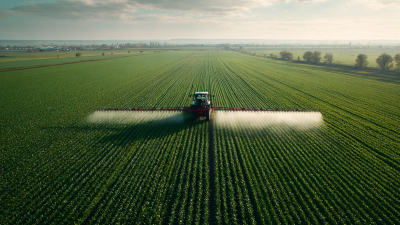
One promising innovation is the use of biofertilizers. These natural products can improve nutrient availability in soil. They support root growth and enhance microbial activity. Research indicates that crops treated with biofertilizers show a 15% increase in yield. Farmers can also benefit from precision agriculture tools. These technologies allow for targeted application of water and nutrients. This minimizes waste and maximizes efficiency.
Despite advancements, the adoption of these methods faces challenges. Many farmers struggle with initial costs and lack of technology access. Reports show that only 25% of smallholder farmers use precision tools. There is a need for education and resources to enable wider implementation. Adopting sustainable practices is a journey, not a destination. Continuous improvement and adaptation are essential for long-term success in eco-friendly farming.
Smart Farming: Integrating IoT for Enhanced Crop Management
The integration of IoT in smart farming is revolutionizing crop management.
IoT devices provide real-time data on soil moisture, temperature, and nutrient levels. This technology enables farmers to make
informed decisions. Sensors placed in fields collect vital
information, assisting in precision agriculture.
However, adopting IoT can be overwhelming for some farmers. The initial setup costs may seem high. Many struggle to understand
how to interpret the data. It’s crucial for farmers to seek guidance from experts. Training can enhance their ability to utilize IoT effectively.
In 2026, farmers will need to focus on data security. As more devices connect to the
internet, vulnerabilities increase. Protecting sensitive information should be a priority.
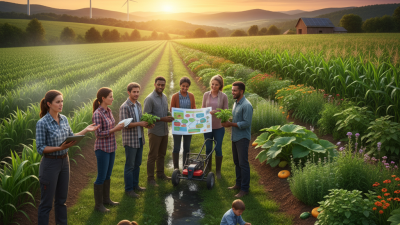
Collaboration among farmers, researchers, and tech companies can foster innovation.
Together, they can ensure the benefits of IoT are maximized while addressing challenges.
Market Trends: What Buyers Should Know About New Crop Solutions
The crop science landscape is rapidly evolving. Understanding market trends in 2026 is crucial for buyers. New solutions are emerging, driven by innovation in biotechnology and sustainable practices. These advancements promise improved yields and resilience against pests. There’s a growing demand for crops that require less water and fertilizers. This shift aims to reduce environmental impacts while meeting global food needs.
Buyers should be aware of new technologies like precision agriculture. It uses data analytics to enhance crop management. This means real-time monitoring of soil health, crop status, and weather patterns. Such tools improve decision-making but come with challenges, like data privacy concerns. Buyers must weigh these benefits against potential risks.
Another area of interest is the development of genetically modified organisms (GMOs). They offer benefits, but public opinions vary.
The trend toward organic and regenerative farming is also significant. It focuses on soil health and biodiversity. This approach can be beneficial, but it often involves higher costs and requires more time to see results. Navigating these new solutions requires careful consideration. Each option comes with its own set of challenges and trade-offs. Buyers should stay informed and open to evolving practices in crop science.