NACL Industries Limited

Why Choose Corteva Fungicides for Global Crop Protection?

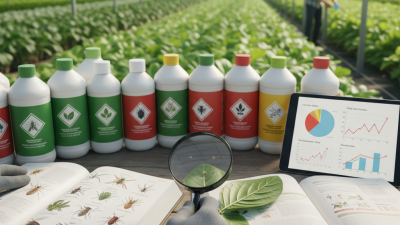
Choosing the right fungicide affects crop health, harvest quality, and farm profitability. Corteva fungicides are developed for diverse production systems, disease pressures, and climate conditions. Their value should be assessed through field evidence, label guidance, and local agronomic experience.

Farmers may use these products against diseases affecting wheat, corn, soybeans, fruits, and other crops. However, performance depends on application timing, disease identification, coverage, weather, and crop growth stage. A spray made after severe infection may protect remaining tissue, but it cannot restore damaged leaves. That detail matters.

Corteva fungicides can support integrated disease management when selected carefully. This approach may include resistant varieties, crop rotation, scouting, sanitation, and appropriate application intervals. Product labels provide essential information about approved crops, rates, safety requirements, and regional restrictions. Local registration always comes first.

Field experience adds another layer. A grower watching lesions spread across a lower canopy sees problems differently from a laboratory report. Practical decisions must connect both perspectives. Independent trials, extension guidance, and qualified agronomists can help verify product fit.

No fungicide works perfectly in every field. Resistance can develop when the same mode of action is repeatedly used. Farmers should rotate effective modes of action and follow resistance-management recommendations. Some comparisons may also overlook cost, labor, water quality, or equipment limits.

This article examines why growers consider Corteva fungicides for global crop protection. It also questions where expectations should remain realistic. Reliable results come from evidence, careful use, and continuous observation.
Why Choose Corteva Fungicides for Global Crop Protection?

Corteva Fungicides: Scope and Role in Global Crop Protection

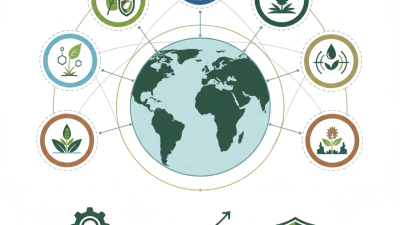
Fungicides play a practical role in global crop protection, especially where fungal diseases threaten yield, quality, and food security. Their value extends beyond field treatment. Effective programs support healthier leaves, stronger grain filling, and more consistent harvests. However, performance depends on crop, pathogen, climate, and application timing. A product that works well in one region may perform differently under humid coastal conditions or dry inland weather.

Reliable protection requires professional field observation. Growers and agronomists should identify disease symptoms before choosing an active ingredient. They should also check local registrations, approved crops, and label directions. Rotating modes of action helps slow resistance development. Good coverage matters too. Dense canopies can hide infected leaves, while rain may reduce protection after application. Field experience often reveals these practical limits. Laboratory results alone are not enough. Some decisions remain imperfect and need review after each season.

Tips

Scout regularly, especially after warm, wet nights. Record disease location, weather, and treatment timing. Use clean water and calibrated equipment. Follow legal labels and required protective measures. Avoid repeated applications with the same mode of action. If control is weak, investigate coverage, resistance, diagnosis, and timing before increasing use. Small records can improve the next decision.

How Corteva Fungicides Work Against Crop Diseases

Fungicides help crops resist disease when timing, coverage, and product choice work together. They target fungal processes such as spore germination, cell-wall formation, or energy production. Some act on the leaf surface. Others move into plant tissue and protect new growth.

Field scouting remains essential. Look beneath leaves, along stems, and near humid soil where infection often begins. Preventive applications usually perform better than late rescue treatments. A rainfast product may continue working after light rain, but heavy rainfall can reduce coverage. Weather still matters.

No program is flawless. I have seen healthy-looking fields develop disease after several cool, wet nights. That mistake changed the spray schedule. Farmers should follow local labels, observe pre-harvest intervals, and use calibrated equipment. Rotating different modes of action can slow resistance development. Mixing products is not automatically safer or stronger. Compatibility, crop stage, and disease pressure require professional judgment. Keep records of weather, symptoms, application rates, and field results. Small details often explain why one treatment succeeds while another disappoints.

Why Choose Corteva Fungicides for Global Crop Protection? - How Corteva Fungicides Work Against Crop Diseases
Crop Disease Representative Causal Organism Fungicide Mode-of-Action Group How the Fungicide Works Most Effective Use Timing Typical Resistance Risk Good Stewardship Practice
Wheat Septoria tritici blotch Zymoseptoria tritici DMI, FRAC Group 3; QoI, Group 11; SDHI, Group 7 Systemic or locally systemic active ingredients interfere with sterol production, mitochondrial respiration, or fungal energy generation. Preventively or at the earliest stage of disease development, commonly around key leaf-protection timings. High for single-site groups Rotate or mix effective groups with different modes of action and follow the approved label rate and interval.
Wheat stripe rust Puccinia striiformis f. sp. tritici DMI, FRAC Group 3; QoI, Group 11; SDHI, Group 7 Fungicides inhibit essential biochemical processes needed for spore germination, fungal growth, and reproduction. Before disease becomes established on the upper leaves; scouting is especially important during cool, humid periods. Moderate to high for single-site groups Use integrated disease management, resistant varieties where available, and avoid repeated applications from one FRAC group.
Potato and tomato late blight Phytophthora infestans Multi-site protectants, FRAC Groups M01 and M03; oomycete-specific groups such as 4, 40, and 49 Protective products form a surface barrier, while selected systemic products disrupt membrane formation, respiration, or other oomycete-specific processes. Preventively, particularly before forecast infection periods involving cool temperatures, leaf wetness, and high humidity. High for several single-site oomycete groups Use weather-based forecasting, maintain spray coverage, and alternate modes of action according to local resistance guidelines.
Grape powdery mildew Erysiphe necator DMI, FRAC Group 3; QoI, Group 11; sulfur, FRAC Group M02 Products may inhibit sterol biosynthesis, mitochondrial respiration, or multiple cellular processes; sulfur acts through contact and vapor activity. From early shoot growth through the period of greatest canopy susceptibility, before heavy colonization. High for several single-site groups Combine cultural practices such as canopy ventilation with mode-of-action rotation and thorough coverage of susceptible tissue.
Grape downy mildew Plasmopara viticola Multi-site protectants, FRAC Groups M01 and M03; oomycete-specific groups such as 4, 11, and 40 Protectants prevent infection on the plant surface, while systemic products interfere with energy production, lipid metabolism, or cell-wall-related processes. Before infection or at the start of an infection period, based on weather conditions and crop growth. High for repeated use of single-site groups Use disease forecasting, alternate FRAC groups, and avoid unnecessary applications when infection conditions are absent.
Strawberry gray mold Botrytis cinerea QoI, FRAC Group 11; SDHI, Group 7; anilinopyrimidine, Group 9; phenylpyrrole, Group 12 Different groups disrupt respiration, fungal energy metabolism, amino-acid biosynthesis, or cellular signaling. Preventively during flowering and before prolonged wetness, because infections often begin on flowers and damaged tissue. High in intensively treated populations Remove infected fruit, improve airflow, reduce canopy wetness, and rotate groups rather than repeating one chemistry.
Apple scab Venturia inaequalis DMI, FRAC Group 3; QoI, Group 11; multi-site protectants, Groups M01 and M03 Protective products inhibit spore germination, while systemic groups interfere with sterol formation or mitochondrial respiration. During primary infection periods, especially around rainfall and leaf-wetness events in spring. Moderate to high for single-site groups Combine sanitation, resistant cultivars where suitable, forecast-based timing, and FRAC-group rotation.
Soybean rust Phakopsora pachyrhizi DMI, FRAC Group 3; QoI, Group 11; SDHI, Group 7 Fungicides suppress spore germination and fungal development by targeting sterol biosynthesis, respiration, or energy production. At the first confirmed regional detection or earliest symptoms, before extensive defoliation. High for repeated single-site use Monitor regional alerts, protect the upper canopy, and use mixtures or rotations that follow local resistance recommendations.
Rice blast Magnaporthe oryzae QoI, FRAC Group 11; tricyclazole-type chemistry, FRAC Group 16.1; other locally registered groups Active ingredients can inhibit mitochondrial respiration or melanin-dependent development required for successful penetration of plant tissue. Before or during high-risk growth stages, especially when prolonged leaf wetness and excessive nitrogen favor disease. High for some single-site groups Balance nitrogen fertility, use resistant varieties where available, and rotate modes of action across seasons.
Cucurbit powdery mildew Podosphaera xanthii and Golovinomyces spp. DMI, FRAC Group 3; QoI, Group 11; sulfur, FRAC Group M02; biological options with distinct activity Products act through sterol inhibition, respiration disruption, contact activity, or biological suppression of pathogen growth. At the first sign of disease or preventively when crop scouting and local conditions indicate elevated risk. High for several single-site groups Scout frequently, alternate modes of action, maintain spray coverage, and avoid relying on one active ingredient.
FRAC groups identify fungicide modes of action and are used to support resistance management. Actual performance depends on crop, pathogen population, weather, application coverage, label restrictions, and local regulations. Fungicides do not control viral diseases, and many bacterial diseases require different management tools.

Key Active Ingredients and Product Technologies

Effective global crop protection begins with the active ingredient. Triazoles can inhibit sterol formation, while strobilurins interfere with fungal energy production. SDHI chemistry targets respiration through a different pathway. Each group offers useful protection, but none should carry the entire program. Local disease pressure, crop stage, weather, and resistance history must guide the choice. Field experience often reveals gaps that a product label cannot predict. A treatment may perform well after dry weather, then disappoint during prolonged rainfall.

Tips: Rotate chemical groups. Check the label carefully. Match application timing with infection risk. Use clean water and calibrated equipment. Do not rely on a single mode of action.

Product technology also affects performance. Emulsifiable concentrates, suspension concentrates, and water-dispersible granules can change mixing, coverage, and storage behavior. Systemic movement may protect new growth, while translaminar activity can reach leaf surfaces that spray droplets miss.

Some formulations improve rainfastness or adhesion, but these benefits depend on coverage and weather. Small droplets are not always better. Excessive drift and uneven canopy penetration can reduce real-world results. Resistance management remains essential, especially where repeated applications occur. Growers should record disease symptoms, spray dates, weather, and outcomes. That record supports better decisions next season, even when the result was imperfect.

Benefits for Crop Health, Yield, and Resistance Management

Healthy crops begin with timely decisions, not emergency spraying. Modern fungicides can protect leaves, stems, and developing grain when disease pressure rises. Their value depends on accurate scouting, local weather, and correct application timing. A clean flag leaf captures more sunlight and supports stronger grain filling. That matters at harvest.

Yield protection is rarely dramatic in one day. It comes from preserving green tissue through flowering and other vulnerable growth stages. In practical farm management, advisers compare untreated areas, disease notes, and harvest results. These records reveal whether a fungicide paid for itself under local conditions. Results can vary. A product that performs well in one season may disappoint during unusual heat or rain. Independent trials and regional extension data strengthen decisions, especially when symptoms are easy to confuse.

Resistance management requires more than changing product names. Growers should rotate effective modes of action and avoid repeated use of one chemistry. Following the approved label protects performance, workers, beneficial organisms, and nearby water. Integrated tools, including resistant varieties, sanitation, and targeted applications, reduce selection pressure. Recommendations still need regular review. Disease populations change, and so do farm economics.

Why Choose Fungicides for Global Crop Protection?

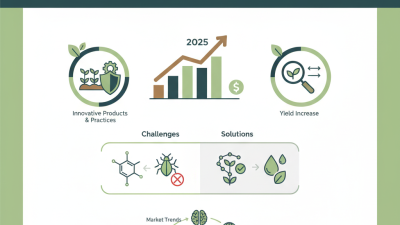
Effective fungicide programs help protect crop health and yield by reducing disease pressure. Combining preventive applications, integrated pest management, and rotation of different modes of action also supports responsible resistance management.

Data source: Savary et al., “The global burden of pathogens and pests on major food crops,” Nature Ecology & Evolution, 2019. Values represent estimated global yield losses caused by pathogens and pests.

Application Practices and Considerations Across Regions

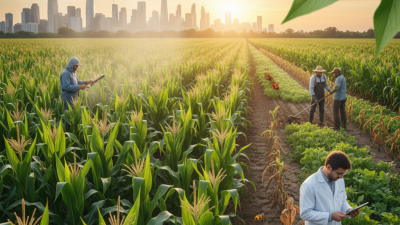
Fungicide performance depends on local conditions, not only active ingredients. In humid coastal fields, growers should check disease forecasts after extended leaf wetness. In dry inland areas, irrigation timing can create short infection windows. I have seen applications fail when farmers treated by calendar date alone. Crop stage matters more than habit.

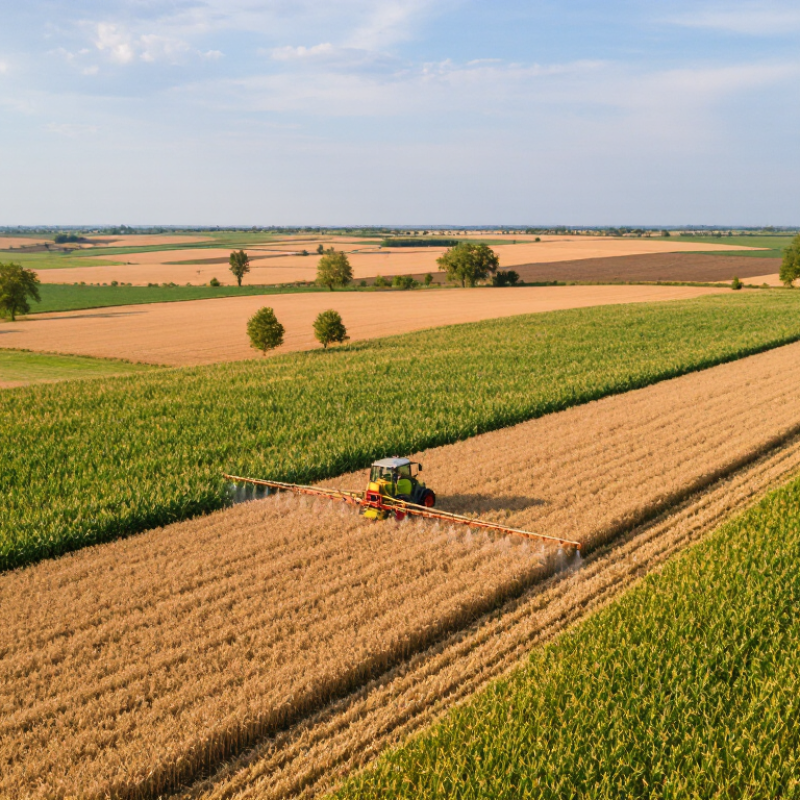
Spray timing should match the target disease and the crop’s growth stage. Use clean water, accurate nozzles, and a calibrated sprayer. Small errors matter. Check coverage on the upper and lower leaf surfaces. Dense canopies often need slower travel speeds and suitable droplet sizes.

Avoid spraying before heavy rain or during strong winds. Local labels, approved uses, re-entry intervals, and protective equipment requirements must guide every decision.

Resistance management also changes by region. Rotate different modes of action, and avoid repeated applications from the same group. Follow the permitted seasonal limits. Record the product group, rate, weather, crop stage, and disease pressure. These notes help explain inconsistent results later. They also support advice from local extension specialists or qualified crop advisers. A mixed program may look efficient, but poor compatibility can reduce coverage or injure plants. Jar testing helps, though it cannot replace label directions. I still leave room for doubt when results look unusually good. Field checks seven to ten days later can reveal hidden infection, uneven coverage, or a timing mistake.

Contact Us

Reach out to our dealer network