What is Wastewater Flocculant and How Does it Work?
Understanding Wastewater Flocculants is crucial for effective water treatment. Experts in the industry highlight their importance. Dr. Emily Carter, a leading wastewater treatment specialist, once stated, “Wastewater flocculants are essential for enhancing the efficiency of water purification processes.”
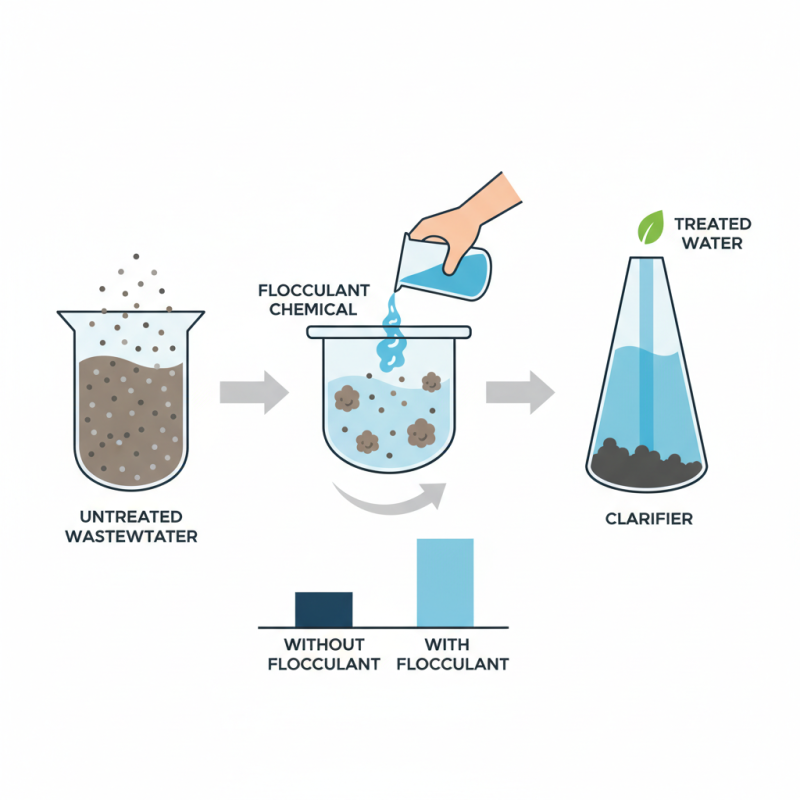
These chemicals work by agglomerating suspended particles, allowing them to settle. In urban areas, wastewater management uses flocculants daily. This process clarifies water, making it safer to discharge into ecosystems. However, the effectiveness can vary based on water characteristics and chemical compositions.
Despite their utility, not all practitioners fully grasp the complexities of wastewater flocculants. There are nuances in dosage and application that require careful attention. Some facilities may not achieve optimal results because of oversight. It’s a reminder to continually assess our methods in wastewater treatment.
Definition and Purpose of Wastewater Flocculants
Wastewater flocculants are critical for water treatment. They help in coagulating particles in wastewater, making them easier to remove. This process enhances the clarity of treated water and reduces pollutants. According to the American Water Works Association, proper flocculation can increase the removal efficiency of suspended solids by over 90%.
The primary purpose of wastewater flocculants is to improve sedimentation. They bind fine particles together into larger clusters, or flocs. These flocs settle quickly, enabling faster filtration. A report by the Environmental Protection Agency indicates that the use of flocculants can lower chemical oxygen demand (COD) levels significantly. In some cases, reductions of 50% or more have been observed in treatment plants.
However, the application of flocculants isn't without challenges. The choice of flocculant depends on the type of wastewater. Not every flocculant works well with all contaminants. This inconsistency can lead to inefficiencies and increased operational costs. Continuous research and testing are needed to find optimal solutions.
Types of Wastewater Flocculants and Their Composition
Wastewater flocculants play a critical role in water treatment. They help to aggregate suspended particles in wastewater, making them easier to remove. Different types of flocculants exist, each with unique compositions that affect their performance.
One common type is organic flocculants, derived from natural sources. These include plant extracts. They are often biodegradable and friendly to the environment. Another type is inorganic flocculants, typically made from metal salts. These can work quickly but may have environmental concerns due to their chemical nature.
Tips: Always consider the environmental impact of the flocculants you choose. Testing different flocculants can lead to better results. Don't overlook the effectiveness of organic options; they often perform well without harsh chemicals.
Be cautious with dosage. Too much flocculant can lead to poor water quality, making it necessary to find the right balance. Observing flocculation behavior is essential. Sometimes results may vary based on water conditions. This variability can lead to unexpected challenges in wastewater treatment processes.
Types of Wastewater Flocculants and Their Effectiveness
Mechanism of Action: How Flocculants Promote Aggregation
Flocculants are vital in wastewater treatment processes. They help promote the aggregation of particles, aiding in the separation of solids. The mechanism of action lies in their ability to neutralize charges on suspended particles. These agents can alter the surface properties of particles, causing them to clump together—this is known as floc formation.
When flocculants are added, they bridge the gaps between particles. This speeds up the settling process so larger aggregates can form. Data from industry reports show that using flocculants can enhance sedimentation by approximately 30%. This increase improves the efficiency of wastewater treatment facilities. It also minimizes the need for additional energy in the process.
Tip: For optimal performance, ensure the right dosage of flocculant is used. Too little may not promote sufficient aggregation, while too much can lead to excessive floc formation that complicates operations.
Another important aspect is monitoring the pH of the wastewater. Flocculants perform best within certain pH ranges. Operating outside these parameters could diminish their effectiveness. Regularly testing can help maintain ideal conditions.
Tip: Consider employing jar tests before full-scale application. This allows for optimizing mixes and conditions without risking large-scale treatment failures.
Applications of Flocculants in Wastewater Treatment Processes
Flocculants play a vital role in wastewater treatment. They help remove suspended solids from water. These substances aggregate particles together, forming larger clumps. As a result, the solids can be easily separated. Often, flocculants are used in various stages of wastewater treatment.
In the primary stage, they improve sedimentation. The larger clumps settle to the bottom more quickly. This process reduces the volume of sludge. In secondary treatment, flocculants enhance the removal of microorganisms. They assist in clarifying the water before it is discharged or reused.
However, the use of flocculants has its challenges. Over-reliance on certain chemicals can lead to imbalances. Additionally, some flocculants may not be fully biodegradable. This raises concerns about environmental impact. Striking a balance is crucial for effective wastewater management.
Environmental Impact and Safety Considerations of Flocculants
Flocculants play a significant role in wastewater treatment. They help separate solids from liquids, making water cleaner. However, their environmental impact is worth considering. Some flocculants can be synthetic. The production and use of these chemicals can lead to pollution.
Natural flocculants are often seen as a safer choice. They are derived from plant or animal sources. While they pose less risk, they too have potential downsides. For example, natural flocculants may not be as effective in certain conditions. Additionally, their sourcing can affect biodiversity. The balance between effectiveness and environmental safety is delicate.
Safety considerations also include the impact on ecosystems. If flocculants enter waterways, they could harm aquatic life. Monitoring is essential to mitigate risks. It’s crucial to recognize that not all flocculants are equal. Research into safer alternatives must continue. We need to evaluate the long-term consequences more thoroughly. The goal should be to find solutions that benefit both water quality and environmental health.
What is Wastewater Flocculant and How Does it Work? - Environmental Impact and Safety Considerations of Flocculants
| Flocculant Type | Mechanism of Action | Environmental Impact | Safety Considerations |
| Anionic Flocculants | Neutralizes positive charges of particles, promoting aggregation. | Generally low toxicity; beneficial for agricultural uses. | Avoid skin contact; may cause irritation. |
| Cationic Flocculants | Binds negatively charged particles to form larger flocs. | Potentially harmful to aquatic life if released into water bodies. | Handle with care; can be toxic at high concentrations. |
| Non-Ionic Flocculants | Facilitates floc formation without charge interactions. | Less environmental impact; biodegradable options available. | Generally safer; minimal toxicity to humans and animals. |
| Natural Flocculants | Utilizes plant or microbial-based agents for agitation. | Eco-friendly; reduces chemical residuals in water treatment. | Low risk of adverse health effects; safe for multiple applications. |