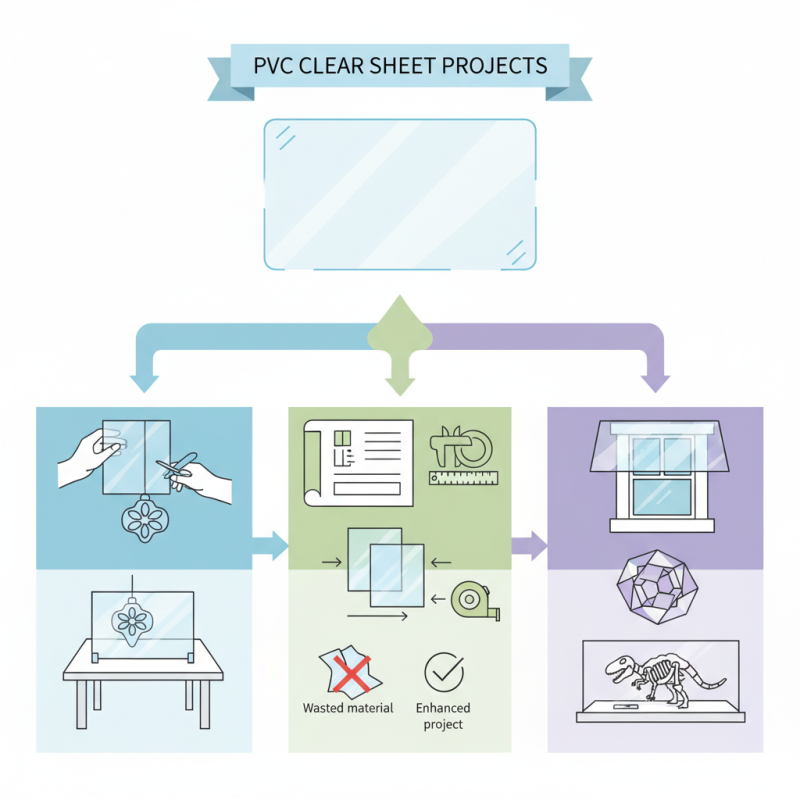
How to Use PVC Clear Sheet for Your Projects?
PVC Clear Sheet is a versatile material used in various projects. It offers transparency and durability, making it ideal for crafts, displays, and protective barriers. Whether you are designing a sign or creating a custom frame, PVC Clear Sheet provides a convenient solution.
Many people struggle to choose the right thickness and size for their needs. It's easy to overlook the importance of proper measurements. A carefully measured piece can enhance your project significantly. However, mistakes often occur, leading to wasted materials and time.
The applications of PVC Clear Sheet are nearly endless. You can use it in home improvement projects, art installations, or even educational displays. Its adaptability allows for creativity but can also lead to confusion on how to utilize it effectively. With the right approach, you can create impressive results.
Understanding PVC Clear Sheets: Properties and Benefits
PVC clear sheets are gaining popularity in various industries. Their unique properties make them suitable for numerous projects. For instance, the material is lightweight and offers excellent impact resistance. According to a 2021 industry report, PVC sheets have a tensile strength of up to 7,000 psi. This makes them durable and reliable for use in environments where strength is crucial.
Another key benefit is their transparency. PVC sheets can transmit up to 92% of light. This feature is valuable in applications like display cases or protective barriers. However, while they offer clarity, they can also scratch easily. This can be a challenge in high-traffic areas. Regular maintenance might be required to keep them looking new.
Moreover, PVC clear sheets are chemically resistant. They withstand mild acids and alkalis. According to data from the Plastics Industry Association, over 60% of users report satisfaction with their chemical performance. Unfortunately, PVC can deform under extreme heat. Consider this when planning your projects. These attributes make PVC clear sheets versatile yet necessitate careful consideration in specific applications.
Selecting the Right Thickness and Type of PVC Clear Sheet
When selecting the right thickness and type of PVC clear sheet, consider your project's specific needs. The thickness can vary from 0.5 mm to 3 mm. Thinner sheets are flexible and great for lightweight projects. Thicker sheets provide durability but may be harder to cut.
Tip: Use a ruler and a utility knife for precise cuts. Measure twice to avoid mistakes. It's easy to miscalculate and waste material.
Additionally, the type of PVC clear sheet matters. Some sheets are UV resistant, which is essential for outdoor projects. Others may be treated for added clarity or protection against scratches.
Tip: Always check the specifications before buying. It can be tempting to choose based on appearance alone. Understand the purpose to avoid future regrets. Working with PVC can be challenging, especially when managing larger sheets. Don’t hesitate to ask for help if needed.
Cutting and Shaping PVC Clear Sheets for Your Project Needs
When working on projects, cutting and shaping PVC clear sheets can be crucial. PVC sheets are lightweight yet durable. According to a recent industry report by Grand View Research, the global PVC market is expected to grow significantly, indicating its increasing popularity among DIY enthusiasts and professionals.
To cut PVC sheets effectively, consider using a utility knife or a fine-toothed saw. Mark your lines clearly before cutting. A steady hand helps ensure clean edges. It’s common to end up with uneven cuts, which can be frustrating. Remember that practice improves precision. Don’t hesitate to try different tools to discover what works best for you.
Shaping PVC sheets can be achieved through heating. A heat gun can soften the material, allowing for bending and forming into desired shapes. However, overheating can ruin a sheet. Experimenting to find the right temperature takes patience. Reports suggest that even small errors in temperature control can lead to distortion. So, keep an eye on the process. Adjustments may be necessary. Proper techniques can make your projects shine.
Techniques for Joining and Assembling PVC Clear Sheets
Joining and assembling PVC clear sheets can be a fun yet challenging task. One common technique is using adhesive. Choose a clear adhesive designed for plastics. Apply it evenly along the edges of the sheets. Press the sheets together firmly. Allow to dry according to the instructions. This method is straightforward but requires precision. Uneven application may lead to gaps or bubbles.
Another option is mechanical fastening. You can use screws or bolts. Drill holes carefully to avoid cracking. Keep the holes aligned for a clean finish. This method provides strong support, yet it may not look as seamless. Consider how the finished project will be viewed.
Heat welding is also an effective technique. This process requires a heat gun and a welding rod. Carefully heat the edges until they become pliable. Join them with the rod. This can create a strong bond, but practice is key. Misjudging the temperature can lead to warping or burns. Experimentation will improve your skills over time.
Finishing and Maintaining Your PVC Clear Sheet Projects
When completing a project with PVC clear sheets, proper finishing is crucial. Start by ensuring edges are smooth. Sharp or uneven edges can compromise the project’s look and safety. Using a fine-grit sandpaper effectively can help with this. According to industry studies, projects with polished edges are more likely to attract positive feedback.
Maintaining your PVC clear sheets is equally important. Regular cleaning will preserve clarity and finish. Use a soft cloth with mild soap. Avoid abrasive cleaners that can scratch the surface. Interestingly, studies suggest that proper maintenance can extend the lifespan of PVC products by up to 30%!
Tips: For a decorative touch, consider edge sealing products suitable for PVC. They provide additional protection and a finished look. Remember, imperfections can be a part of the process. Embrace small flaws as character marks. It’s all about learning and improving with each project.