How to Use Corteva Chemicals for Improved Agricultural Productivity?
The agricultural landscape is evolving rapidly. Farmers seek innovative solutions to enhance their productivity. Corteva Chemicals offers a range of products tailored for modern agriculture. These chemicals can improve crop yields and optimize resource use. However, understanding their application is crucial.
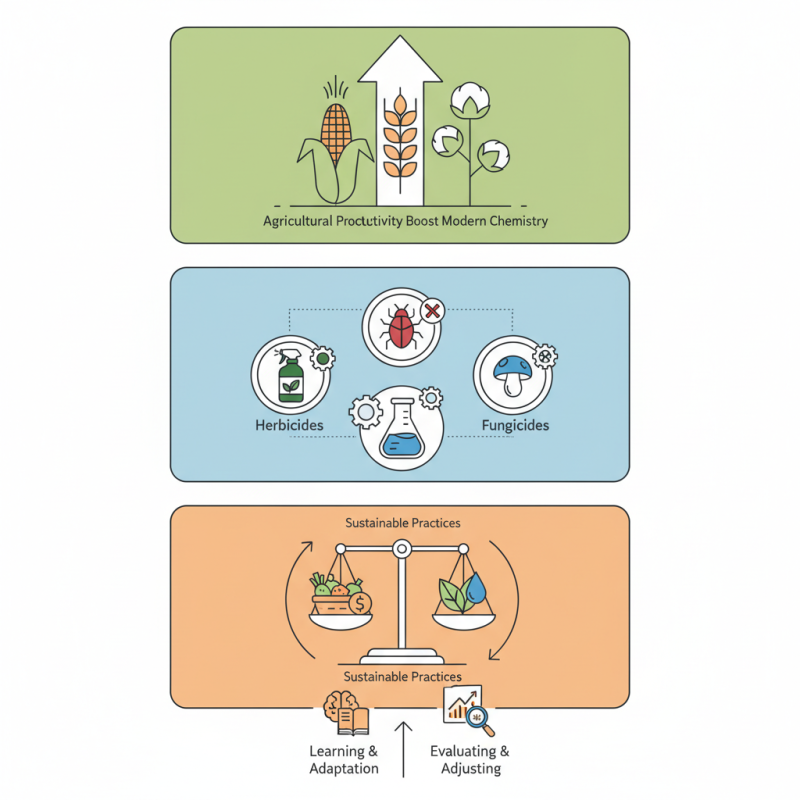
Corteva Chemicals includes herbicides, insecticides, and fungicides. Each product serves a specific purpose in crop protection. Precision in application can lead to significant benefits. Proper dosage and timing are key factors for effectiveness. Misapplication can result in reduced benefits.
Farmers must also consider environmental impacts. Responsible use of Corteva Chemicals promotes sustainable practices. Balancing productivity with ecological health is essential. As farmers embrace these chemicals, continuous learning and adaptation are vital. Evaluating results and adjusting strategies can lead to long-term success.
Understanding Corteva Chemicals and Their Role in Agriculture
Corteva chemicals play a vital role in modern agriculture. They support farmers by enhancing crop yields and controlling pests effectively. According to industry reports, the use of innovative chemicals can increase crop productivity by up to 20%. This improvement is crucial in meeting the growing global food demand.
A diverse range of Corteva products is designed for various crops, helping manage both weeds and insects. Integrated pest management is an effective approach. It minimizes chemical use while maximizing crop output. Regular monitoring of pest levels is essential for successful implementation, as wrong timing can lead to crop damage.
Tips: Always analyze soil health before applying chemicals. This ensures effective application. Focus on specific crop needs. Be cautious about excessive use; it can lead to resistance. Balance is key in achieving sustainable productivity. Utilize local agricultural extension services for tailored advice. Keep updated with best practices for optimal results.
Identifying Key Corteva Products for Crop Improvement
Identifying the right products is essential for maximizing agricultural productivity. Several solutions are available for farmers. These options can enhance yields and improve soil health. One popular method is using seed treatments. These protect seeds from pests and diseases during the critical early growth phase. This proactive approach can lead to better establishment and strong plants.
Another valuable product category includes herbicides. Effective weed management is crucial for crop success. Selecting the right herbicide allows for targeted action against specific weeds. This choice reduces competition for resources, enhancing crop growth. Additionally, some products focus on nutrient management. These fertilizers provide essential nutrients at critical growth stages. This optimizes plant health and increases overall yields.
Farmers must evaluate their unique conditions. Soil type, weather, and crop variety all influence product selection. Regular testing and observation can guide decisions. This process isn’t straightforward and requires ongoing adjustments. Continuous assessment helps in refining the approach to crop improvement. It’s important to remain flexible and responsive to changing needs. Engaging with local agronomists may provide fresh perspectives. Ultimately, the journey towards improved productivity is a dynamic and evolving challenge.
Best Practices for Applying Corteva Chemicals Effectively
Effective use of agricultural chemicals can significantly boost crop yields. However, an improper application can lead to adverse effects, such as reduced soil health and increased pest resistance. Understanding how to apply these products enhances both productivity and sustainability.
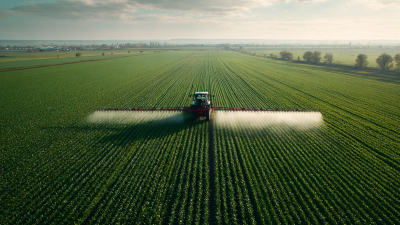
Timing is crucial. Farmers should apply chemicals during optimal weather conditions. Avoid windy days. Rain can wash away applications, reducing their efficiency. Precision in application is also important. Use calibrated equipment to ensure even distribution. This prevents over-application in some areas while missing others.
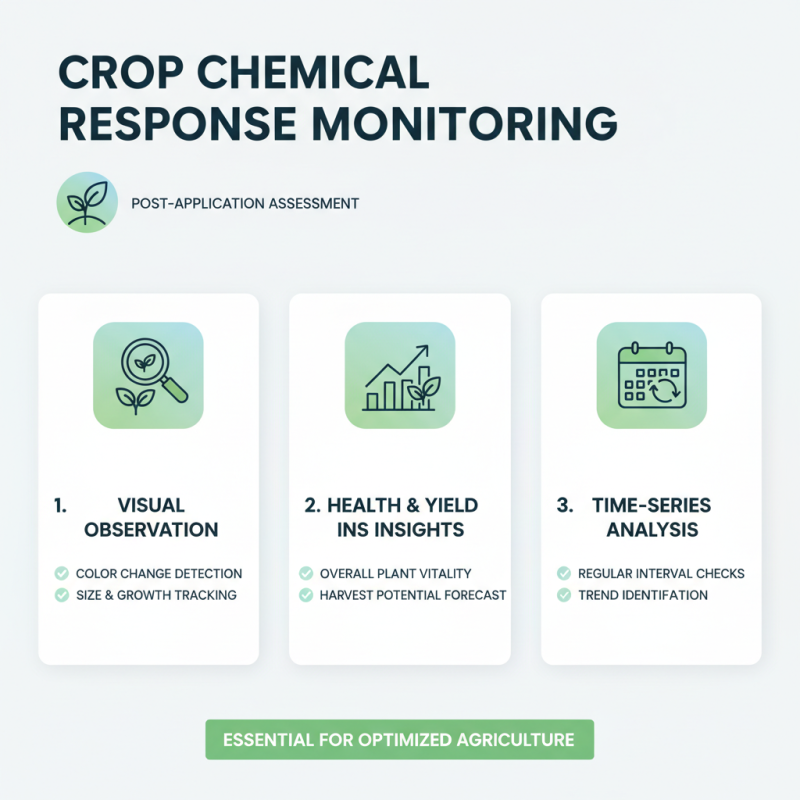
Monitoring the crops is essential. Assess their response to treatment regularly. If certain areas show less improvement, it may signal a need for reevaluation. Over-reliance on chemicals can lead to diminishing returns. Diversification in pest management strategies may reduce overall dependence on chemical solutions. Experimenting with different approaches can be beneficial, though it may not always yield immediate success.
Sustainable Strategies for Integrating Corteva Chemicals in Farming
Integrating Corteva chemicals into farming requires careful planning. Many farmers face challenges when adopting new strategies. According to a recent agricultural productivity report, using effective chemicals can boost crop yields by up to 30%. However, the over-reliance on these products may lead to sustainability issues.
Sustainable strategies play a crucial role in achieving long-term agricultural success. Crop rotation and integrated pest management can enhance the benefits of chemical use. For instance, a study found that employing these methods alongside chemicals reduced pest resistance by 40%. Farmers need to balance immediate outputs with ecological health.
Moreover, education on proper application techniques is essential. Misuse of chemicals can result in runoff, harming local ecosystems. In fact, nearly 20% of farmers indicated a lack of training in chemical application. This gap in knowledge can pose significant risks to both crops and the environment. The integration of sustainable practices helps address these concerns while promoting productivity.
Impact of Sustainable Farming Practices on Crop Yield