How to Use Biologicals in Agriculture for Sustainable Farming?
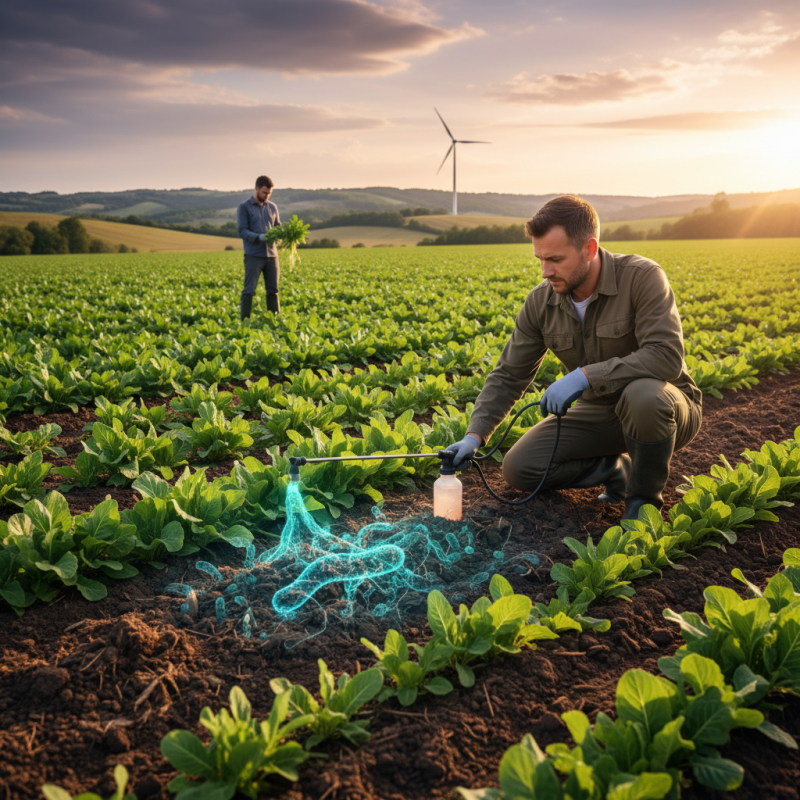
Agriculture faces numerous challenges today, including soil degradation and pest resistance. One promising solution lies in biologicals agriculture. This innovative approach harnesses natural organisms to enhance crop growth. Biologicals can improve soil health and promote biodiversity on farms.
Farmers have started to adopt biologicals for various purposes. They use microbial products to control pests and diseases. These solutions can boost the resilience of crops. However, transitioning to biologicals agriculture is not without difficulties. Some farmers may be skeptical, concerned about effectiveness and reliability.
The importance of education and expertise cannot be overstated. Farmers should access knowledge on how to implement biological solutions effectively. They must also be aware of the potential limitations and challenges. The journey towards biologicals agriculture is complex yet vital for sustainable farming.
Understanding Biologicals: Definition and Types in Agriculture
Biologicals play a crucial role in modern agriculture, promoting sustainability and eco-friendliness. These products include bio-pesticides, bio-fertilizers, and microbial inoculants. Each type has distinct benefits for crop health and soil quality.
Bio-pesticides utilize natural organisms to combat pests. They provide effective control with less environmental impact. On the other hand, bio-fertilizers enhance nutrient availability in soil. They can improve crop yield and soil structure. Microbial inoculants, such as beneficial bacteria and fungi, support plant growth and resilience. They thrive in the rhizosphere, forming symbiotic relationships with plants.
Despite their advantages, using biologicals requires careful management. Farmers must understand the specific needs of their crops and local ecosystems. Some biologicals may not perform well under certain conditions. It's essential to continually evaluate their effectiveness. This ongoing assessment fosters a better understanding of their role in sustainable farming.
Benefits of Using Biologicals for Sustainable Farming Practices
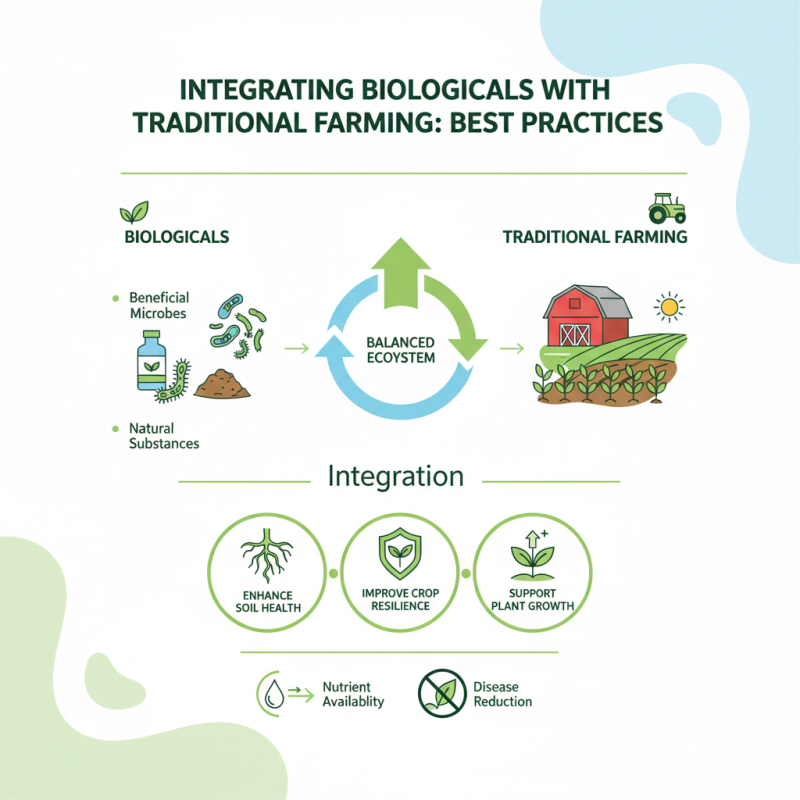
Biologicals are gaining popularity in sustainable farming practices. They enhance soil health, improve crop resilience, and reduce the need for chemical inputs. Farmers can use beneficial microorganisms to promote plant growth. These organisms help break down organic matter, making nutrients available.
Implementing biologicals can have immediate effects. For instance, you may notice improved root systems and healthier crops. Yet, challenges exist. Not all biologicals are suitable for every farming context. Farmers need clear guidance on application rates and timing. Some might find it hard to integrate these into their routine.
Sustainability is a journey, not a destination. Education and adaptation are vital. Seeking local expertise can provide tailored solutions. Every farm is unique, with specific needs and conditions. A thoughtful approach to using biologicals can yield significant benefits in the long term.
Implementing Biological Controls: Strategies for Crop Management
Implementing biological controls in crop management can transform traditional agriculture. By using natural predators, farmers can minimize pest populations without synthetic chemicals. For example, ladybugs can help control aphid infestations effectively. This approach encourages a balanced ecosystem on the farm.
Another strategy involves enhancing soil health with beneficial microorganisms. These microbes promote nutrient availability and improve plant resilience. Incorporating compost or biofertilizers can boost these microbial populations. However, results may vary based on soil type and climate conditions. Adaptation and continuous monitoring are essential for success.
Farmers should also consider crop rotation. This method disrupts pest life cycles and enhances soil fertility. However, it requires careful planning and knowledge of suitable crop pairings. Mistakes in rotation can lead to reduced yields. Continuous learning and regional trials can provide valuable insights into effective strategies.
Measuring the Effectiveness of Biologicals in Agricultural Systems
Measuring the effectiveness of biologicals in agricultural systems is crucial for sustainable farming. To begin with, it is essential to establish clear benchmarks. Farmers can track yields, crop health, and soil quality. Using these metrics helps evaluate the real-world impact of biologicals. Simple observations can reveal early signs of efficacy. For instance, improved root systems can indicate enhanced nutrient uptake.
Field trials offer valuable insights. By comparing treated and untreated plots, farmers can assess differences in performance. It's vital to monitor these trials over multiple seasons. Factors like climate and soil type can influence results. Yet, it’s also a chance to learn. Not every biological will perform equally across various conditions.
Integrating farmer feedback is important. Each experience can highlight potential challenges or successes. Farmers might notice variability in effectiveness in different crops or growing conditions. This reflection can drive further research and adaptation. Open conversations among agricultural communities can foster innovation. Emphasizing these reflections contributes to a deeper understanding of biological products.
How to Use Biologicals in Agriculture for Sustainable Farming? - Measuring the Effectiveness of Biologicals in Agricultural Systems
| Biologicals Type |
Application Method |
Effectiveness Measure |
Economic Benefit |
Environmental Impact |
| Microbial Inoculants |
Soil drenching |
Increase in crop yield by 15% |
$200 per hectare |
Reduced chemical runoff |
| Biopesticides |
Foliar application |
30% reduction in pest damage |
$150 savings on pesticides |
Supports biodiversity |
| Biofertilizers |
Seed treatment |
Increase in nitrogen fixation |
$250 increased profit |
Improves soil health |
| Compost Tea |
Soil Application |
Enhanced nutrient availability |
$100 additional revenue |
Promotes ecological balance |