Top 10 Household Insecticides to Keep Your Home Pest Free?
Keeping your home pest-free can be a challenge. Many people turn to household insecticides for help. These products are designed to target and eliminate unwanted insects. However, choosing the right household insecticide is crucial for safety and effectiveness. Not all insecticides work the same way. Some may work well for certain pests but fail against others.
Understanding your options is important. For example, some insecticides are suitable for indoor use, while others are better for gardens. There are sprays, baits, and traps. Each type has its own strengths and weaknesses. It's easy to overlook the specific needs of your situation. This could lead to ineffective pest control. You might also risk exposing your family or pets to harmful chemicals.
In this article, we will explore the top 10 household insecticides. You will learn about their features, benefits, and ideal use cases. Armed with this knowledge, you will make better decisions. A well-informed choice can make a significant difference in pest control at home. Let’s dive into the world of household insecticides and keep those pesky intruders at bay.
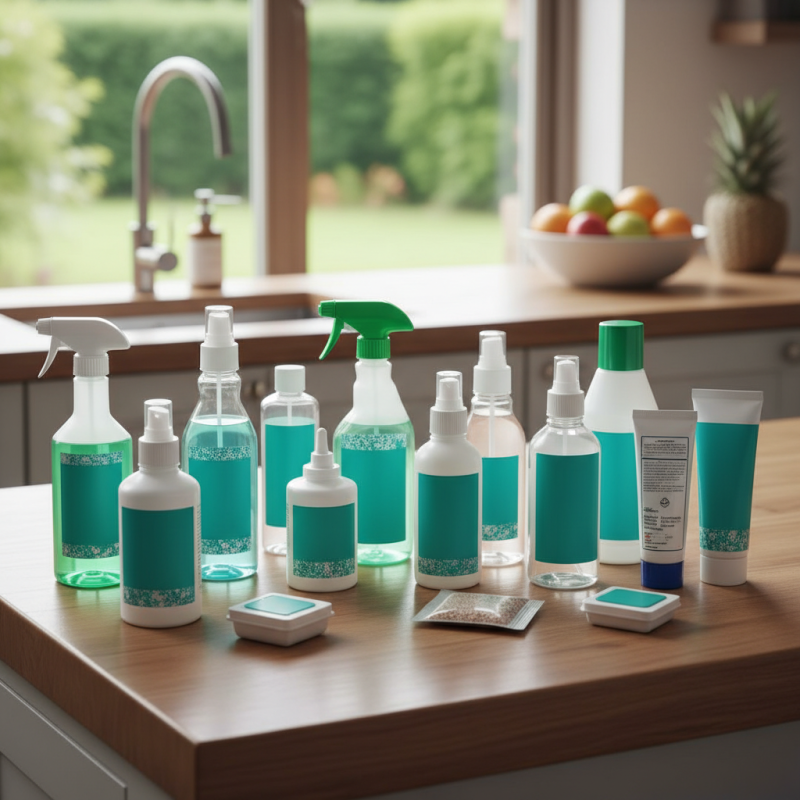
Understanding Household Insecticides: What You Need to Know
Understanding household insecticides is crucial for maintaining a pest-free environment. Insecticides can effectively control common household pests such as ants, cockroaches, and spiders. These products are often available in various forms like sprays, powders, and baits. Each type serves a specific purpose and targets different pests effectively.
When using insecticides, safety is a primary concern. Always read labels and follow instructions closely. Some insecticides may contain chemicals that can be harmful to pets and children. It’s important to ventilate the area after application and practice safe storage. Also, consider that overuse can lead to resistance in pests, making them harder to eliminate.
Choosing the right insecticide can feel overwhelming. Each pest requires a tailored approach. Research and identify the pest you are dealing with. This clarity can help you select an effective solution. Additionally, integrating non-chemical methods, like traps or natural repellents, may enhance your pest control strategy. Balancing chemical use with safer alternatives can yield better long-term results.
Types of Common Household Pests and Their Impact on Home Life
Household pests can disrupt daily life. Common insects like ants, cockroaches, and spiders are not just annoying; they can also pose health risks. According to the CDC, cockroaches are known to trigger asthma and allergies in sensitive individuals. Ants can contaminate food, while spiders, despite being largely harmless, may provoke fear and anxiety.
The impact of these pests extends beyond just health. In a 2021 survey by the National Pest Management Association, 45% of homeowners reported feeling anxious about pest infestations. This stress can affect well-being and family dynamics. Moreover, pests can also damage your property. Termites cause billions in damages annually. A minor pest issue can quickly grow into an expensive problem if not addressed.
Not all pests are visible. Many people don’t realize that bed bugs thrive in homes, often hidden in mattresses and upholstery. An infestation can lead to sleepless nights and constant worry. Understanding the types of common pests is crucial for effective management. Homeowners must remain vigilant and proactive to ensure a pest-free environment.
Criteria for Choosing the Right Insecticide for Your Needs
Choosing the right insecticide for your home can feel overwhelming. There are many options available. It's important to consider your specific needs and circumstances. Before making a decision, identify the type of pests you are dealing with. Cockroaches, ants, and spiders may require different formulations. Each pest reacts to different active ingredients.
Consider the safety of each product. Families with pets or children must think carefully. Some insecticides can pose health risks if misused. Always read the labels for warnings and recommendations. Effectiveness is key, but personal safety is paramount.
Lastly, think about the application method. Some insecticides come as sprays, while others are powders or baits. The ease of use can impact your choice. If you struggle with application, you might end up using too much or too little. Reflect on your comfort level with each type. This can prevent frustration and ensure better results.
Top 10 Household Insecticides to Keep Your Home Pest Free
| Insecticide Type | Active Ingredient | Target Pests | Application Method | Safety Rating |
| Spray | Pyrethroids | Ants, Roaches | Direct Spray | Medium |
| Granules | Boric Acid | Termites, Roaches | Sprinkle on Soil | Low |
| Baits | Fipronil | Ants, Roaches | Place in Infested Areas | Medium |
| Foggers | Permethrin | All types of insects | Release in Room | High |
| Dusters | Silica Gel | Bed Bugs, Roaches | Apply as Dust | Low |
| Liquid Concentrates | Malathion | Mosquitoes, Flies | Dilute and Spray | Medium |
| Natural Insecticides | Neem Oil | Spider Mites, Aphids | Spray on Plants | Low |
| Soaps | Potassium Salts | Soft-bodied Insects | Spray | Low |
| Electric Traps | N/A | Flies, Mosquitoes | Plug in Unit | Medium |
| Ultrasonic Repellents | N/A | Rodents, Insects | Plug in Unit | Low |
Top 10 Household Insecticides: Features and Effectiveness
When it comes to choosing effective household insecticides, features matter. Look for products that target specific pests. Some insecticides are designed for ants, while others work better against flies or roaches. Formulations vary too; sprays can offer immediate relief, while baits may attract and eliminate pests over time. Always read the labels for safety directions and active ingredients.
Consider the ease of application. User-friendly products can save time and effort. For instance, ready-to-use sprays eliminate the hassle of mixing. Some insecticides also come in convenient packaging, making them easy to store. Remember, effectiveness can vary. What works for one household may not work for another. Testing different options might be necessary, creating extra work.
Environmental impact is another concern. Some insecticides contain harsher chemicals, potentially affecting your family’s health. Choosing biodegradable options can be a wise choice but don’t compromise on effectiveness. Awareness of ingredients is crucial. Sometimes, natural solutions prove beneficial, yet their efficacy might not match that of conventional products. Balancing safety and effectiveness can be challenging.
Safety Precautions When Using Insecticides in the Home
Using insecticides safely at home is crucial for both your family and pets. Always read the instructions on the label. This is the first step to ensure proper usage. Many people overlook this simple task. It can lead to accidents and ineffective pest control. Wear protective gear like gloves and masks when applying sprays. These products often contain potent chemicals.
Ventilation is another important factor to consider. Open windows and doors during application. It helps disperse harmful fumes. Avoid spraying on windy days. Pesticides can drift and affect unintended areas. Be mindful of children and pets. Keep them away during and after application.
Storage is equally vital. Store insecticides in a secure location, out of reach of kids. Check the expiration dates regularly. Products can lose effectiveness over time. If you notice any leaks or damage, dispose of them properly. Don't just toss them in the trash. Understand the implications of improper disposal. Taking these precautions ensures a safer living environment while managing pests effectively.