Top Tips for Choosing the Best Soybean Fungicide Today
Choosing the right soybean fungicide is crucial for successful farming. Farmers face many challenges, including diseases that threaten soybean crops. Selecting an effective fungicide can enhance plant health and increase yield.
Understanding the specific needs of your crops is essential. Different soybean varieties may require distinct approaches. Research is vital to identify the best options. Consider factors like local climate and pest history. This knowledge helps in making informed choices.
Consulting with experts can also guide you. Agronomists or local extension services provide invaluable insights. Their experience often sheds light on effective fungicide options available today. Remember, even with expert advice, results may vary. Trial and error are sometimes necessary for optimal results. Invest time in learning, as the right soybean fungicide can significantly impact your harvest.
Understanding the Importance of Fungicides in Soybean Cultivation
Fungicides play a vital role in soybean cultivation. They help protect crops from various fungal diseases. These diseases can significantly reduce yield and quality. Farmers must understand the impact of fungi on soybean plants. Quick intervention can save an entire harvest.
Properly selecting a fungicide is not straightforward. Different pathogens require specific treatments. Understanding the life cycle of these fungi can guide choices. Some treatments are more effective against certain types. The timing of application is crucial as well. Waiting too long can be detrimental. Each season presents unique challenges.
Educating yourself on local fungal threats is key. Soil test results can provide insights into potential issues. It’s also wise to consult with local agronomists. They can offer advice tailored to your conditions. Regular monitoring of soybean health is essential. Quick identification of problems allows for timely fungicide application. Each decision plays a role in the overall health of your crop.
Key Factors to Consider When Selecting Soybean Fungicides
When selecting soybean fungicides, understanding key factors is crucial. A recent report from the American Phytopathological Society highlighted that diseases like soybean rust and white mold can reduce yields by 30% or more. Knowing the specific diseases in your region is vital for effective management.
Consider the timing of application. Fungicides are most effective when applied early. Late interventions may not yield the desired results. A study by the Crop Protection Network reveals that early applications can enhance yield by up to 15%.
One tip: evaluate the mode of action. Using products with different modes can prevent resistance development. This strategy maximizes effectiveness across seasons. Many farmers overlook this, leading to reduced crop health and economic losses. Remember to review efficacy data from reputable sources before making a decision.
Another consideration is environmental impact. Choose options that minimize detrimental effects on beneficial insects and soil health. Sustainable practices not only preserve the ecosystem but also ensure healthier crops. Balancing efficiency with ecological responsibility is essential for long-term success in soybean farming.
Types of Fungicides Suitable for Soybean Farming
When it comes to soybean farming, selecting the right fungicide is crucial. Different types of fungicides serve various purposes. Systemic fungicides move through the plant, providing internal protection. These are particularly effective against diseases like Asian soybean rust, which can severely impact yields. According to a report from the American Phytopathological Society, losses from soybean diseases can exceed $1 billion annually, underscoring the importance of effective fungicide use.
Contact fungicides, on the other hand, protect only the surfaces they cover. They prevent spores from germinating, acting as a barrier. They are especially useful during the early stages of disease outbreaks. Field trials indicate that the right application can reduce disease incidence by up to 50% when conditions are favorable for fungal growth. It's important to rotate fungicides with different modes of action to minimize resistance.
The timing of fungicide application is another crucial factor. Early intervention can save a crop. However, growers should also consider environmental impacts. Excessive use of chemicals can lead to soil and water contamination. The Environmental Protection Agency (EPA) urges farmers to apply fungicides judiciously to protect beneficial organisms in the ecosystem. A well-rounded approach often yields better results than reliance on any single treatment.
Evaluating Fungicide Efficacy and Safety for Soybean Varieties
When evaluating fungicide efficacy for soybean varieties, consider both effectiveness and safety. Effective fungicides should target specific pathogens like rust or mildew. Farmers should assess the environmental impact of these products. Some fungicides may damage beneficial insects or soil health. This leads to a challenging balance between crop yield and environmental integrity.
Testing is essential. Check local agricultural extensions for data on fungicide performance in your area. Different soybean varieties may react differently to the same treatment. Some may show resilience, while others might suffer. Understanding these nuances can guide better decision-making.
Moreover, consider application timing and dosage. Misapplication can reduce efficacy and create resistance. Reflect on past experiences—what worked last year may not work this year. Always stay informed about new research and developments in soybean protection, as this field evolves rapidly. Engaging with agricultural communities can provide personal insights and shared experiences, enhancing your choice of fungicides.
Efficacy of Soybean Fungicides
The chart below shows the efficacy rates of various soybean fungicides based on field trials conducted over the past year. The efficacy is measured as a percentage of disease reduction compared to untreated controls.
Best Practices for Applying Soybean Fungicides Effectively
Applying soybean fungicides effectively requires a clear understanding of best practices. Research indicates that incorrect application can lead to reduced effectiveness, with as much as 40% of fungicide being washed away by rainfall if not timed properly. One key aspect is application timing. Aim to treat plants during flowering or when disease symptoms are first noticed. This timing can significantly reduce disease progression and bolster yields.
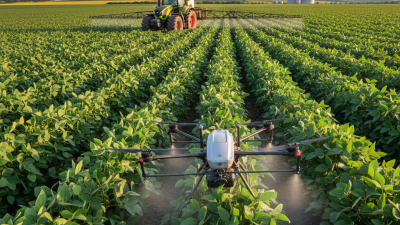
Furthermore, the method of application can influence the outcome. Studies show that aerial applications can achieve better coverage than ground methods, especially in dense canopies. This is crucial, as diseases like soybean rust can spread quickly if not addressed. It's also essential to calibrate equipment to ensure the correct rate of fungicide is applied. Inefficient application can result in under-dosing or over-dosing, both leading to issues.
Monitoring environmental conditions plays a vital role. High humidity and warm temperatures often create a favorable environment for fungal diseases. Farmers should consider local weather patterns when deciding to apply fungicides. Despite these best practices, many growers still face challenges in achieving optimal results. Reflecting on these practices can lead to improved decision-making in future applications.
Top Tips for Choosing the Best Soybean Fungicide Today
| Fungicide Type |
Active Ingredient |
Target Diseases |
Application Timing |
Comments |
| Systemic |
Azoxystrobin |
Frogeye Leaf Spot, Soybean Rust |
V6 to R1 |
Effective against both early and late infections |
| Contact |
Chlorothalonil |
Powdery Mildew, Leaf Blight |
Initiate at first sign of disease |
Requires thorough coverage |
| Combination |
Prothioconazole & Trifloxystrobin |
White Mold, Anthracnose |
R1 to R3 |
Broad-spectrum activity |
| Biological |
Bacillus subtilis |
Fungal Pathogens, Bacterial Blight |
Pre-Plant to V4 |
Environmentally friendly option |