How to Source High Quality Ceremonial Matcha for Business?
Sourcing high-quality ceremonial matcha is crucial for businesses in the tea industry. This vibrant green powder offers unique flavor and health benefits. However, distinguishing top-tier ceremonial matcha from inferior options can be challenging. Quality directly influences preparation and taste.
Ceremonial matcha is often harvested from shade-grown tea plants. The leaves are meticulously processed, resulting in a fine powder. Often, suppliers may claim their matcha is ceremonial, but authenticity matters. Understanding the origin and cultivation practices is essential.
Building relationships with trustworthy suppliers is a vital step. Attend tea expos or engage with experts. Sampling various products can also reveal different qualities. Many businesses overlook the importance of certification. Authenticity assures your customers of the quality they are purchasing. Reflecting on sourcing practices can lead to better business decisions and customer satisfaction.
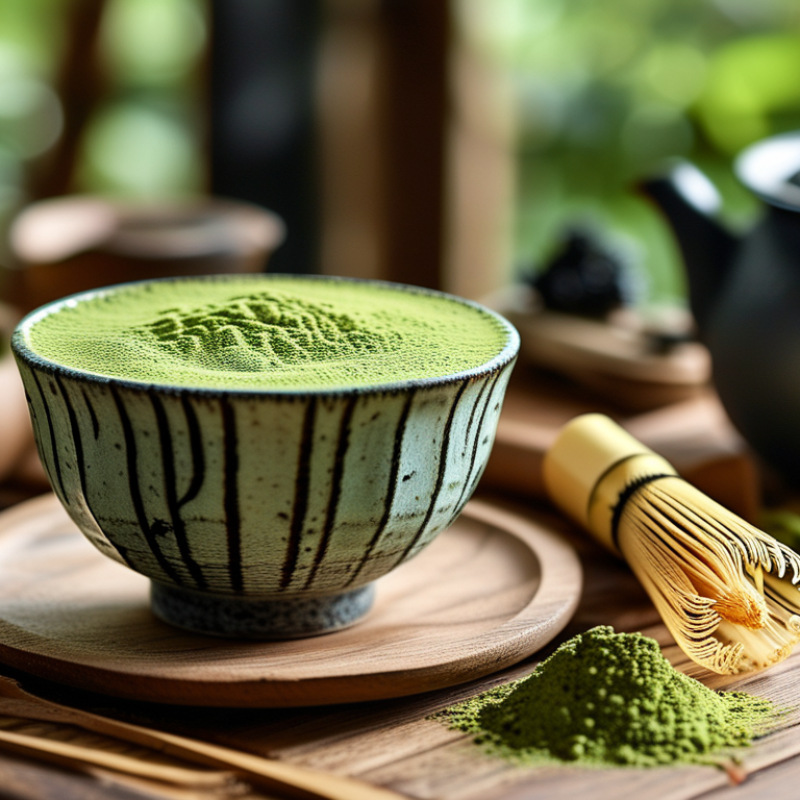
Understanding the Unique Qualities of High-Grade Ceremonial Matcha
When sourcing high-quality ceremonial matcha, understanding its unique qualities is essential. High-grade matcha is vibrant green, indicating fresh and young tea leaves. The color results from the shade-growing process, where plants receive less sunlight before harvest. This technique boosts chlorophyll levels, enhancing flavor and nutritional benefits. Research shows that ceremonial-grade matcha contains higher amino acid concentrations, particularly L-theanine, which promotes calmness and focus.
Moreover, texture plays a vital role. Quality matcha should feel silky and fine when sifted. Coarse powders indicate poor processing methods. A study conducted in 2021 found that top-tier matcha contains a higher concentration of antioxidants, specifically catechins. These compounds provide numerous health benefits, including supporting metabolism and fat oxidation. However, finding truly high-grade matcha can be challenging. Some suppliers may mislabel lower-quality products or provide inconsistent sourcing practices.
Ultimately, it's important to test samples before purchasing. Engaging with reputable suppliers who offer transparency in their sourcing practices is crucial. Conducting sensory evaluations can help identify matcha that meets desired taste and texture profiles. This ensures a reliable product for your business, fostering trust with your customers. Quality over quantity can lead to long-term success in the ceremonial matcha market.
How to Source High Quality Ceremonial Matcha for Business? - Understanding the Unique Qualities of High-Grade Ceremonial Matcha
| Quality Indicator | Description | Importance |
| Color | Vibrant green, a sign of high chlorophyll content | Indicates freshness and quality of the leaf |
| Texture | Fine powder that feels silky | Ensures smooth mixing and better flavor |
| Taste | Umami-rich with a balanced sweetness | Indicates the overall quality of the matcha |
| Origin | Sourced from reputable regions such as Uji or Nishio | Region affects flavor profile and quality |
| Harvesting Timing | First harvest (shaded) for optimal quality | Early harvest yields higher quality matcha |
Identifying Reputable Suppliers: Key Criteria for Quality Assessment
When sourcing high-quality ceremonial matcha for your business, identifying reputable suppliers is crucial. Start by assessing the source of the matcha. Ideally, it should come from established regions in Japan, known for their rich soil and favorable climate. Look for suppliers who provide detailed information about their farming practices. Organic certification can also be a good indicator of quality.
Consider how the matcha is processed. Suppliers who are transparent about their grinding methods are preferable. Traditional stone grinding retains flavor and nutrients better than other methods. Pay attention to color as well; vibrant green matcha typically indicates freshness and high quality.
Visit trade shows or local markets to sample products from potential suppliers. This hands-on experience allows you to evaluate flavor and texture. Frequent communication with suppliers can help you gauge their reliability. A responsive supplier is often a sign of a professional and trustworthy business relationship. Always ask for certifications to ensure quality standards are met.
Evaluating Matcha Sources: Regions Renowned for Exceptional Green Tea
When sourcing high-quality ceremonial matcha, the region of origin plays a crucial role. Japan is the most renowned country for producing exceptional matcha. Specifically, Uji, Nishio, and Shizuoka are standout regions. According to industry reports, Uji is particularly celebrated for its rich umami flavor and vibrant green color. Matcha from this area often has higher levels of L-theanine, contributing to its unique taste and calming effects.
Evaluating matcha sources requires a keen eye for quality indicators. Look for bright green colors, a fine powder texture, and a fresh aroma. Authentic ceremonial matcha should be shade-grown, which enhances its flavor profile. The best grades are typically harvested in spring. Reports indicate that harvesting in the first flush delivers superior quality matcha. Always seek out suppliers who can provide detailed information about their matcha's growing conditions.
When exploring suppliers, transparency is key. Ask about their sourcing practices and certifications. This can give insight into their commitment to quality. A matcha's certification, like organic or JAS, can indicate reliable farming methods. Consider small farms, as they often prioritize quality over quantity. Finding the right source is not always easy. It may require exploring multiple options before you discover the ideal matcha for your business.
High Quality Ceremonial Matcha Source Evaluation
Analyzing Lab Test Results: Ensuring Purity and Nutritional Value
When sourcing high-quality ceremonial matcha, lab test results are crucial. These tests reveal the purity and nutritional value of the matcha. High-quality matcha should have a vibrant green color, indicating freshness. A dull appearance might signal aging or inferior processing.
Analyzing lab results can be complex. Look for reports that detail levels of catechins, amino acids, and heavy metals. Specifically, the presence of L-theanine is vital for its calming effects. If lab results show high heavy metal concentrations, they may render the matcha unsafe. It is essential for buyers to understand these details.
Not all matcha produced is of good quality. Some suppliers may not provide accurate test results. This lack of transparency can be frustrating. Sourcing from reputable farms that prioritize testing can mitigate risks. Authenticity and quality assurance should always come first in this niche market.
Building Strong Relationships with Producers for Consistent Quality Supply
Building strong relationships with producers is essential for sourcing high-quality ceremonial matcha. Establishing trust can lead to consistent quality supply and better pricing. Reports from the Global Matcha Market indicate that demand for premium matcha has risen by 20% annually. This surge highlights the necessity of reliable partnerships.
When sourcing matcha, visiting farms adds immense value. Observing production practices ensures quality control. It helps producers understand your standards. According to industry experts, producers who engage directly with buyers improve product quality. A transparent dialogue facilitates shared knowledge and encourages responsible farming practices.
Not all producers maintain the same quality. Some may prioritize volume over quality. Frequent assessments help mitigate risks. Engage in discussions about cultivation techniques and soil health.
Strong connections often lead to preferential access during high-demand periods. It's an ongoing process of learning and refining, revealing potential flaws in quality assurance. Building these relationships creates a robust supply chain, essential for a reputable business.