How to Source High Quality Calcium Bisglycinate for Your Business?
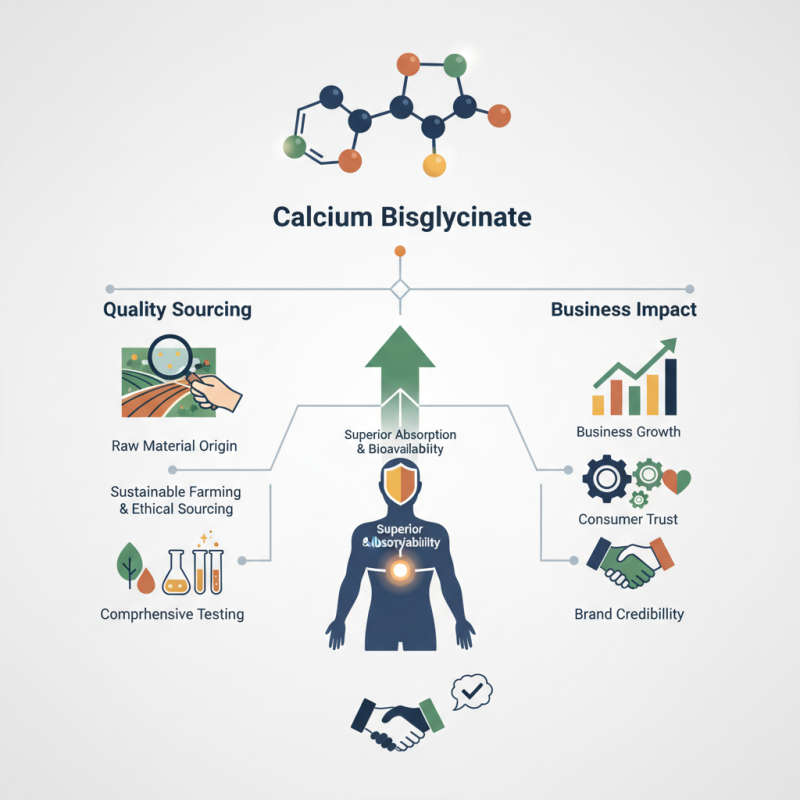
In the competitive landscape of dietary supplements, sourcing high-quality Calcium Bisglycinate is paramount for any business. Dr. Emily Larson, a leading expert in nutritional formulations, once stated, "Quality in sourcing is the foundation for effective supplements." This rings particularly true for Calcium Bisglycinate, a chelated form of calcium known for its superior absorption and bioavailability.
Finding the right supplier can be challenging. Businesses must navigate through various options while ensuring that they prioritize product quality. An effective supplier should provide comprehensive testing and transparency regarding their sourcing methods. Calcium Bisglycinate's reputation hinges on this transparency. Many suppliers may claim high quality, but verifying their processes is essential.
The nuances of sourcing this compound are often overlooked. For instance, the origin of the raw materials plays a critical role in the end product's effectiveness. Seeking out partners that practice sustainable farming and ethical sourcing can enhance your brand's credibility. Thus, a focus on these factors is not just beneficial but necessary for business growth and consumer trust.
Understanding Calcium Bisglycinate and Its Benefits
Calcium bisglycinate is a chelated form of calcium that offers better absorption in the body. It is essential for bone health and may support muscle function. This compound can also help prevent calcium deficiency, especially in individuals with dietary restrictions. Understanding its benefits is crucial when sourcing high-quality products.
When seeking quality calcium bisglycinate, consider the sourcing process. Look for reputable suppliers who conduct third-party testing. Ensure their products are free of impurities and contaminants. Sometimes, suppliers may not provide full transparency about their sourcing methods. This requires careful scrutiny on your part.
Tip: Ask for product specifications and quality assurance certificates. These documents can indicate the pureness of the ingredient. Additionally, evaluate customer reviews to gain insights into the product's effectiveness.
Another aspect to consider is the manufacturing process. Some manufacturers may adhere to better practices than others. Investigate their production techniques and facility standards. This information is vital for reliability.
Tip: Don't hesitate to reach out directly for additional information. A reliable supplier should be willing to answer any questions you have. Always remember that informed choices lead to better outcomes for your business.
Identifying Reliable Suppliers of Calcium Bisglycinate
When sourcing high-quality calcium bisglycinate, identifying reliable suppliers is paramount. A recent market analysis indicates that the global calcium bisglycinate market is expected to reach $250 million by 2025, indicating a growing demand. As businesses aim to enter this market, selecting trustworthy suppliers becomes vital for maintaining product quality and safety.
One effective strategy is to seek suppliers with credible certifications. Look for ISO certification and compliance with Good Manufacturing Practices (GMP). These indicators reflect a company's commitment to quality. Furthermore, third-party testing can ensure that the product meets industry standards for purity and potency. According to industry reports, around 70% of leading suppliers engage in such practices, providing a solid benchmark for businesses.
It's also beneficial to gather feedback from existing clients. Testimonials and reviews can reveal the reliability of suppliers. Engage in discussions with other businesses in your network. Their experiences could save time and resources. However, not all suppliers will meet your expectations. Some may offer competitive prices but compromise on quality. A thorough vetting process can help mitigate such risks.
Evaluating Quality Standards and Certifications
When sourcing high-quality calcium bisglycinate, evaluating quality standards is crucial. Look for suppliers who provide comprehensive documentation. Certifications from organizations such as NSF or USP indicate adherence to high-quality standards. Reports show that more than 30% of supplements do not meet label claims. This underscores the need for reliable sourcing.
Analyzing raw material testing is necessary. Quality-tested ingredients ensure efficacy and safety. A report from the Council for Responsible Nutrition indicates that 72% of consumers prioritize ingredient quality. They want assurance that products are free from contaminants. This drives demand for high-quality sources of calcium bisglycinate.
Lastly, consider the manufacturing processes. Third-party audits can reveal compliance with good manufacturing practices (GMP). Ask suppliers for their testing protocols and results. Transparency is key in this industry. Some companies may overlook strict testing. This could lead to subpar products reaching the market. Always ask about their batch testing frequency for added confidence in quality.
Negotiating Terms and Pricing with Suppliers
Negotiating terms and pricing with suppliers is crucial when sourcing high-quality calcium bisglycinate. The market for dietary supplements has seen a significant rise, with a projected CAGR of 8.1% from 2021 to 2028, according to industry reports. This growth necessitates careful negotiation to ensure competitive pricing while maintaining product quality.
When approaching suppliers, clarity is vital. Define your requirements: purity levels, certifications, and delivery schedules. Pricing models can vary widely based on these factors. For instance, some suppliers may offer bulk discounts, while others impose minimum order quantities. Always inquire about their sourcing practices and quality assurance processes. A reliable supplier should provide transparency and, ideally, third-party testing results.
Building a relationship can often lead to better terms. Frequent communication allows for negotiation on payment terms and shipping costs. Research indicates that businesses engaging with suppliers regularly can save up to 15% on costs. Don’t rush the negotiations. Assess your options. Sometimes, the lowest price may not reflect the best value. Reflect on competitive trade-offs to secure a deal that aligns with your business's needs.
Ensuring Compliance with Regulatory Requirements
When sourcing high-quality calcium bisglycinate, compliance with regulatory requirements is vital. The dietary supplement industry is heavily regulated. Companies must adhere to guidelines set by local and international bodies. For instance, the FDA's 2021 regulatory framework includes stringent testing requirements. This ensures product safety and efficacy.
Understanding these regulations can be daunting. Many businesses may overlook the importance of Good Manufacturing Practices (GMP). A recent report by the Council for Responsible Nutrition highlighted that 47% of supplement businesses fail to fully comply with GMP standards. This can lead to severe penalties and loss of consumer trust.
To maintain compliance, here are some tips. Regularly review the latest regulatory guidelines relevant to your product. Collaborate with certified laboratories that conduct thorough testing. This not only ensures quality but strengthens your market position. Additionally, consider documenting your sourcing process to provide transparency. Consumers increasingly demand accountability from brands. By fostering an honest relationship, you enhance credibility and reliability in your business.