Why Choose Regenerative Oxidizer for Sustainable Solutions?
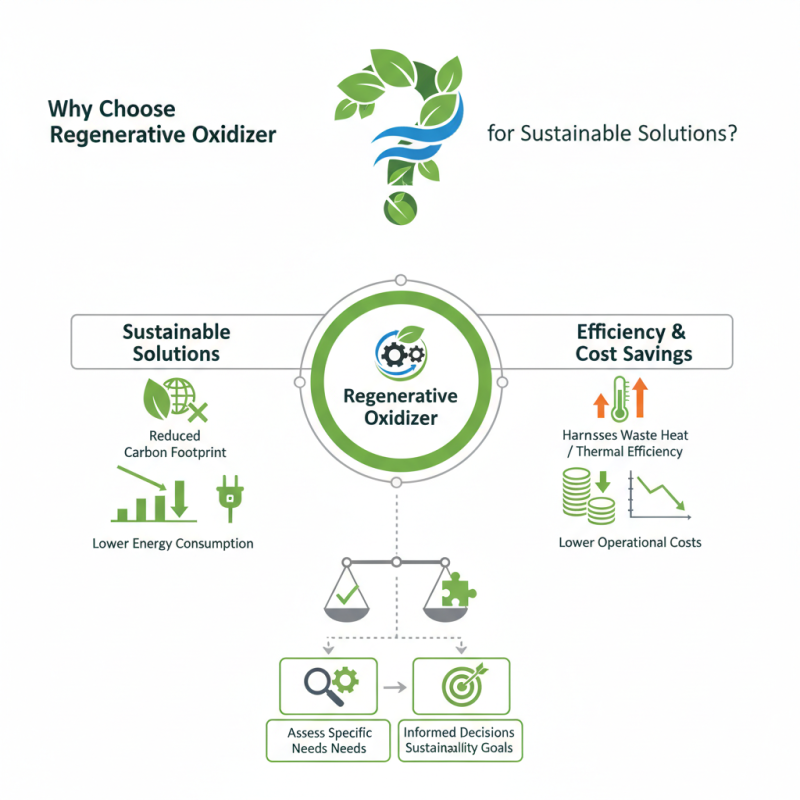
In recent years, the focus on sustainable solutions has intensified. Industries seek to reduce their carbon footprints while maintaining efficiency. One innovative approach is the use of the Regenerative Oxidizer. This technology stands out for its ability to effectively eliminate harmful emissions.
The Regenerative Oxidizer operates by harnessing waste heat. It achieves impressive thermal efficiency, which lowers operational costs significantly. Many facilities have reported a noticeable decrease in energy consumption. However, not all applications may benefit equally from this system. Understanding specific needs is crucial for optimal results.
Choosing the right technology involves careful consideration. While the Regenerative Oxidizer offers many advantages, it may not be the perfect fit for every situation. Companies must weigh the pros and cons. By doing so, they can make informed decisions that align with their sustainability goals.
Benefits of Regenerative Oxidizers in Environmental Sustainability
Regenerative oxidizers are transforming the landscape of environmental sustainability. These systems are designed to treat volatile organic compounds (VOCs) and other harmful emissions. According to the Environmental Protection Agency (EPA), VOCs contribute significantly to air pollution. Implementing regenerative oxidizers can reduce VOC emissions by up to 95%. This is crucial for meeting air quality standards.
The regeneration process makes these systems energy-efficient. Data from industry reports indicates that regenerative oxidizers consume 50-70% less energy compared to traditional incinerators. This reduction not only lowers operating costs but also minimizes carbon footprints. These oxidizers reclaim heat, which can be reused, further enhancing efficiency.
Tips: Regular maintenance is key to performance. Schedule routine inspections to ensure optimal operation. Additionally, consider integrating regenerative oxidizers with other waste treatment technologies. This can enhance overall effectiveness and sustainability. Ultimately, using regenerative oxidizers supports a healthier environment and helps industries comply with regulations.
Mechanism of Regenerative Oxidizers and Their Efficiency
Regenerative oxidizers serve a crucial role in sustainable solutions by employing advanced mechanisms to enhance efficiency. These devices utilize thermal oxidation to convert pollutants into harmless byproducts. The core principle involves using waste heat to preheat incoming air, significantly reducing energy consumption. According to a report from the U.S. Environmental Protection Agency, regenerative oxidizers can achieve destruction efficiencies exceeding 99%. This high efficiency leads to lower operational costs and significantly reduced emissions.
The regeneration process operates in cycles, allowing for continuous operation. During the first phase, contaminated air is drawn into the oxidizer. This air heats up, utilizing the stored heat from previous cycles. The rise in temperature initiates the oxidation process, breaking down harmful compounds. Repeated use of heat enhances energy recovery, making this method less energy-intensive compared to conventional systems. However, one must consider maintenance challenges. Regular inspection and potential repairs may affect long-term efficiency, especially in high-load scenarios.
Using regenerative oxidizers aligns with sustainability goals while offering significant cost savings. They provide a feasible way to tackle air pollution without compromising on efficiency. Nevertheless, it is essential to evaluate specific operational needs. Industries must remain aware of varying performance under different conditions. Ultimately, while regenerative oxidizers present a powerful solution, they demand careful management to fully realize their potential.
Comparative Analysis of Regenerative Oxidizers and Traditional Technologies
Regenerative oxidizers present a sustainable alternative to traditional technologies. They operate using a heat exchange system, effectively minimizing energy consumption. This process converts harmful emissions into less toxic substances, offering better air quality without excessive resource use. In contrast, traditional methods often rely on burning or chemical reactions, which can increase operational costs and environmental harm.
When evaluating technologies, consider efficiency and maintenance needs. Regenerative oxidizers typically have lower operational costs over time. Maintenance may involve checking the heat recovery system but is generally less frequent compared to other technologies. This can lead to reduced downtime and increased productivity.
Tip: Always assess the long-term benefits versus short-term savings when choosing your technology. Think critically about your specific needs and how each solution adapts to them. Not every technology suits every industry, so research is key. Engage with specialists to gather diverse insights before making decisions.
Case Studies: Successful Implementation of Regenerative Oxidizers
Regenerative oxidizers have proven effective in various industries, showcasing their potential for sustainable solutions. One notable case study involved a chemical manufacturing plant that faced high VOC emissions. By implementing a regenerative oxidizer, they achieved a 95% reduction in emissions. This transformation led to compliance with stricter environmental regulations. It also resulted in significant cost savings, with energy recovery rates exceeding 90%.
In another example, a wastewater treatment facility turned to regenerative oxidation technology. The facility managed to reduce odor complaints significantly and improve local air quality. Reports indicated a 40% decrease in carbon footprint after the adoption of this technology. These results highlight the importance of innovation in achieving sustainability goals. Metrics from industry reports, such as those published by the Environmental Protection Agency, indicate that such systems can lead to lower lifecycle costs.
However, not all implementations are flawless. Some facilities faced initial challenges, including energy consumption during startup phases. It’s crucial to assess these factors to ensure long-term success. Furthermore, ongoing maintenance is often overlooked, which can affect overall efficiency. This serves as a reminder that while regenerative oxidizers offer substantial benefits, careful planning and evaluation are essential for optimal performance.
Why Choose Regenerative Oxidizer for Sustainable Solutions? - Case Studies: Successful Implementation of Regenerative Oxidizers
| Sector | Emission Reduction (%) | Energy Savings (%) | Cost Savings ($) | Implementation Year |
| Textile Manufacturing | 85% | 30% | 150,000 | 2020 |
| Chemical Production | 90% | 40% | 250,000 | 2021 |
| Food Processing | 75% | 25% | 100,000 | 2019 |
| Automotive Manufacturing | 80% | 35% | 200,000 | 2022 |
| Pharmaceuticals | 78% | 28% | 180,000 | 2023 |
Future Trends in Regenerative Oxidizer Technology for Sustainable Practices
The future of regenerative oxidizer technology holds immense potential for sustainable practices. This technology effectively reduces industrial emissions and enhances energy efficiency. As industries seek to minimize their environmental footprints, regenerative oxidizers offer a compelling solution. They utilize heat recovery processes, transforming waste gases into valuable energy sources, which reduces operating costs and aligns with global sustainability goals.
Emerging trends indicate a focus on automation and integration with renewable energy sources. Many facilities are exploring systems that adapt to varying operational conditions. This flexibility can lead to significant improvements in performance. However, challenges remain in achieving widespread adoption due to initial investment costs and technical complexities. Learning from early implementations is crucial.
As organizations navigate these changes, collaboration and knowledge sharing will be vital. Successful case studies can offer insights into effective strategies. Understanding the balance between innovation and practicality will help drive the transition. The path to sustainability will require continual refinement and a willingness to learn from setbacks. The commitment to embracing regenerative oxidizer technology presents an exciting opportunity for industries striving to achieve more sustainable futures.