
What Is Manganese Sulphate Uses Benefits and Buying Guide
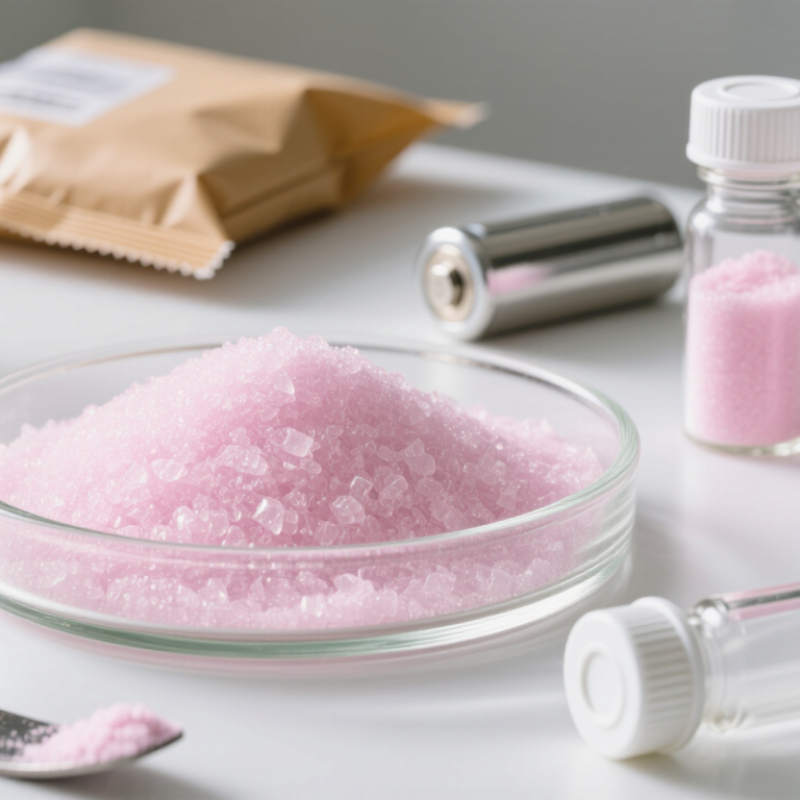
Manganese Sulphate is a practical chemical compound with uses across agriculture, animal nutrition, water treatment, and battery manufacturing. It commonly appears as manganese sulphate monohydrate, a pale pink crystalline powder. Its appearance is simple, but quality differences can affect handling, solubility, and final performance.
The International Energy Agency reported more than 14 million electric cars were sold worldwide in 2023. This growth supports interest in manganese-containing battery materials, including high-purity manganese sulphate. However, battery demand is only one part of the market. Fertilizer producers use manganese sulphate to correct manganese deficiencies in soil and crops. Feed manufacturers may use controlled grades as a manganese source. Industrial users require consistent composition and dependable supply.
The U.S. Geological Survey’s Mineral Commodity Summaries 2024 describes manganese as an important industrial mineral, while noting that production data often cover manganese ore rather than specific sulphate products. That distinction matters. Ore availability does not automatically prove battery-grade sulphate capacity.
Quality is the real buying question.
A responsible purchasing review should examine manganese content, sulphate purity, moisture, insoluble matter, trace metals, particle size, packaging, and batch consistency. Ask for a current certificate of analysis and safety data sheet. For agricultural or feed applications, confirm the applicable local standards before ordering. For battery use, ordinary fertilizer-grade material may be unsuitable.
This guide explains what Manganese Sulphate does, where it is used, and which benefits are realistic. It also considers supplier reliability, documentation, transport conditions, and total cost. Market claims can sound impressive. Testing should decide.
What Is Manganese Sulphate and How Is It Produced?
Manganese sulphate is an inorganic salt commonly written as MnSO4. It usually appears as a pale pink, crystalline powder or small granules. The compound supplies manganese, an essential trace nutrient for plants and animals. In agriculture, it may correct manganese deficiency in soil or leaves. Industrial users may select it for water treatment, ceramics, pigments, or chemical processing.
Manufacturing begins with manganese-containing ore, oxide, or carbonate. The selected material reacts with sulfuric acid under controlled temperature. This reaction forms a manganese-rich solution and may release gases, depending on the raw material. Insoluble particles are removed through filtration. The solution is then purified, concentrated, and crystallized. Finally, the crystals are separated and dried to create a stable commercial product. Production quality depends on raw material purity, moisture control, and careful testing. A simple process description can hide difficult purification steps.
Tips: Check the manganese concentration, chemical grade, particle size, and moisture level before buying. Request a recent certificate of analysis. It should show manganese content and relevant impurity limits. For agricultural use, compare the product with local soil-test results. More product is not always better. Handling practices also matter; avoid creating dust and follow the supplier’s safety data sheet. Storage in a dry, sealed container helps prevent caking. One detail is easy to overlook: different applications may require different grades, so a low price alone can be misleading.
What Is Manganese Sulphate? Uses, Benefits and Buying Guide
Manganese sulphate is an inorganic salt commonly supplied as anhydrous manganese sulphate (MnSO₄) or manganese sulphate monohydrate (MnSO₄·H₂O). The chart compares their calculated elemental mass composition using standard atomic weights. It also helps explain why the monohydrate contains less manganese per unit mass: part of its weight is chemically bound water.
Manganese sulphate is used primarily to correct manganese deficiency in crops and animal nutrition, and it is also used in selected industrial and laboratory applications. When buying, check the chemical form, manganese concentration, solubility, impurity limits, and the intended agricultural or technical grade.
What Are the Main Uses of Manganese Sulphate?
Manganese sulphate is an inorganic compound used mainly to correct manganese deficiency. In agriculture, it supports chlorophyll formation, enzyme activity, and plant development. Crops grown in sandy, alkaline, or heavily irrigated soils may show pale leaves and weak growth. Soil testing should guide application rates. Guessing can waste money or damage plants.
Farmers apply manganese sulphate to soil, mix it into fertilizers, or use carefully measured foliar sprays. It is also used in formulated animal feed when a verified manganese source is needed. Feed use requires professional control because excessive manganese can create nutritional problems. Industrial facilities may use it in chemical manufacturing, ceramics, and some water-treatment processes. Its exact role depends on purity and technical grade.
Tips: Check the product grade, manganese concentration, moisture level, and certificate of analysis before buying. Store the material sealed and dry. Wear suitable protective equipment during handling. A common mistake is treating every yellow leaf as manganese deficiency. Poor drainage, disease, iron imbalance, or root damage can look similar. A laboratory test is more reliable than visual judgment alone. For feed or industrial use, follow the relevant technical specification and obtain advice from a qualified specialist.
What Benefits Does Manganese Sulphate Provide?
Manganese sulphate can support healthy plant development when soil tests show manganese deficiency. Manganese helps activate enzymes involved in photosynthesis, nitrogen use, and plant metabolism. In the field, deficiency may appear as pale leaves with green veins, especially in young growth. Correcting the shortage can improve leaf color, root activity, and overall crop strength. Results depend on soil pH, moisture, crop type, and application rate. It is not a universal growth booster.
The compound also serves as a manganese source in controlled animal nutrition and selected industrial processes. Human use requires greater caution. Manganese is essential, but excessive intake may create health risks. Follow qualified professional advice and use products intended for the correct purpose. For purchasing, check the stated manganese percentage, solubility, purity documentation, and batch testing. A certificate of analysis adds useful confidence. Packaging should remain sealed and dry.
Tips: Test the soil before applying it. High-pH soils often reduce manganese availability. Dissolve a small sample first when using liquid applications. Keep simple records of rate, date, and crop response. Leaf color may improve slowly, or not at all. That uncertainty matters. Avoid copying another farm’s treatment without reviewing local conditions. Practical observations help, but laboratory testing should guide final decisions.
What Is Manganese Sulphate? Uses, Benefits and Buying Guide
| Category | Data Dimension | Verified Information | Practical Meaning |
|---|---|---|---|
| Product Profile | Common name | Manganese sulphate (also spelled manganese sulfate) | An inorganic manganese salt used in agriculture, nutrition, laboratory work and manufacturing. |
| Chemical formula | Anhydrous: MnSO4 Monohydrate: MnSO4·H2O | The water of crystallization affects molecular weight, manganese concentration and required application rates. | |
| CAS Registry Numbers | Anhydrous: 7785-87-7 Monohydrate: 10034-96-5 | The CAS number helps buyers confirm the exact chemical form on technical documents. | |
| Theoretical manganese content | Anhydrous: approximately 21.6% Mn Monohydrate: approximately 19.3% Mn | Actual commercial content should be confirmed by the certificate of analysis because purity and hydration can vary. | |
| Physical appearance | Usually a pale pink to light-colored crystalline powder or granule | Color and particle size may vary with grade, purity, moisture and processing method. | |
| Water solubility | Soluble in water; solubility depends on temperature, concentration and product form | Water-soluble grades are suitable for many fertigation, foliar and solution-preparation applications. | |
| Agricultural Benefits | Correcting manganese deficiency | Supplies plant-available manganese when soil or tissue tests indicate a deficiency. | Can improve crop growth and color where manganese deficiency is limiting productivity; it does not replace a complete fertilizer program. |
| Photosynthesis support | Manganese is involved in the oxygen-evolving complex of photosystem II. | Adequate manganese supports normal photosynthetic function and plant metabolism. | |
| Enzyme activation | Manganese acts as a cofactor or activator for several plant enzymes. | Supports processes such as nitrogen metabolism, carbohydrate metabolism and antioxidant defense. | |
| Best-fit soil conditions | Deficiency is more likely in high-pH, alkaline, sandy, highly organic or poorly aerated soils, depending on crop and conditions. | Soil testing and plant tissue analysis should guide product selection and application rate. | |
| Application methods | Soil application, fertigation, foliar spraying or blending with compatible fertilizers | The correct method depends on crop, deficiency severity, soil chemistry, water quality and local label instructions. | |
| Other Uses | Animal nutrition | Used as a source of dietary manganese in formulated animal feeds when permitted by applicable regulations. | Feed-grade material must meet relevant purity, contaminant and labeling requirements. |
| Human nutrition | Manganese is an essential trace mineral involved in bone formation, metabolism and antioxidant enzyme function. | Supplement use should follow the product label and professional advice; industrial or agricultural material must never be consumed. | |
| Industrial and laboratory use | Used as a manganese source, reagent or intermediate in selected chemical and manufacturing processes. | The required purity, particle size and documentation depend on the process specification. | |
| Water and wastewater applications | May be used in specialized treatment or chemical processes where manganese ions are required. | Use only under a validated process design because excess manganese can create water-quality and disposal concerns. | |
| Buying Guide | Select the chemical form | Choose anhydrous or monohydrate material according to the required manganese percentage and process specification. | Do not compare prices by weight alone; compare the cost per unit of actual manganese. |
| Grade and intended use | Common grades include agricultural, feed, laboratory and technical grades. | Use only a grade approved for the intended application; grades are not automatically interchangeable. | |
| Assay and manganese content | Check the stated MnSO4 assay and elemental manganese percentage. | A certificate of analysis should confirm the actual batch result rather than relying only on a product description. | |
| Impurity profile | Review limits for moisture, insoluble matter, iron, heavy metals, lead, arsenic and other regulated contaminants. | Impurity limits should match the requirements of the destination market and intended use. | |
| Physical specifications | Confirm particle size, powder or granular form, color, flowability, moisture and water solubility. | These properties affect storage, mixing, dust generation, dissolution and application performance. | |
| Packaging and storage | Use sealed, moisture-resistant packaging and store in a cool, dry, well-ventilated area. | Protect the material from moisture, contamination and incompatible chemicals; follow the safety data sheet. | |
| Safety and Quality Checks | Handling precautions | Avoid creating dust and contact with eyes, skin and clothing; use suitable gloves, eye protection and respiratory controls where needed. | Consult the current safety data sheet before handling, transferring or disposing of the product. |
| Human exposure | Excessive manganese exposure can affect the nervous system, particularly through prolonged inhalation of dust. | Do not use agricultural or industrial manganese sulphate as a dietary supplement. | |
| Application control | Overapplication may cause plant toxicity, nutrient imbalance or environmental contamination. | Base application rates on soil or tissue testing, crop requirements and local regulations. | |
| Documents to request | Certificate of analysis, safety data sheet, specification sheet, batch number, origin and regulatory or food/feed compliance documents where applicable. | Complete documentation improves traceability and helps verify that the material is suitable for its intended use. |
Note: Product specifications, permitted uses and application rates may differ by country, crop, industry and grade. Always follow the applicable label, technical specification and safety data sheet.
How to Choose the Right Manganese Sulphate Product?
Choosing the right manganese sulphate product starts with its intended use. Agricultural, feed, laboratory, and industrial applications require different specifications. Check the chemical form, such as monohydrate or solution grade. Confirm the manganese assay, moisture content, solubility, and particle size. A high assay is not always the best choice.
Request a recent certificate of analysis for the actual batch. Review impurity limits for metals, chlorides, and insoluble matter. The certificate should match the product label and shipment documents. A safety data sheet is also essential for proper handling and storage. When quality affects crop performance or manufacturing consistency, consider independent laboratory testing. It adds cost, but it can reveal problems early.
Packaging deserves attention. Choose sealed, moisture-resistant bags or containers with clear lot numbers. Inspect the material for caking, discoloration, or unusual odor upon arrival. Store it in a cool, dry area away from incompatible materials. Supplier traceability matters. Ask about production controls, testing frequency, technical support, and replacement procedures. One common mistake is choosing only by price. I have seen specifications look acceptable while poor packaging reduced usability. Recheck the application, dosage requirements, and local compliance documents before purchase.
What Safety and Storage Factors Should Buyers Consider?
When buying manganese sulphate, safety starts with clear product information. Request a current safety data sheet, certificate of analysis, and lot number. Check the chemical grade, manganese content, moisture level, and impurity limits. These details affect both handling and performance. A low price can hide inconsistent quality. I have seen purchasing teams focus on cost and overlook packaging strength. That decision often creates avoidable dust and cleanup problems.
Use sealed, moisture-resistant packaging with readable labels. Store the material in a cool, dry, well-ventilated area. Keep bags or containers away from direct sunlight, water pipes, and floor drains. Place them on pallets, not directly on concrete. Damaged bags should be isolated and inspected before use.
Dust can irritate the eyes, skin, and respiratory system, so workers need suitable gloves, eye protection, and dust control. Avoid eating or drinking in the storage area. Simple rules matter.
Keep manganese sulphate separated from incompatible chemicals identified in the safety data sheet. Do not assume every storage room is suitable. Review ventilation and emergency procedures with a qualified safety professional. Stock rotation also matters; older material may absorb moisture after repeated handling. Use first-in, first-out controls and record opened containers. Some guidance may seem excessive, but site conditions differ. Recheck the plan after spills, renovations, or seasonal humidity changes.
