Top 10 Insights on Pesticides in Food at China Import Expo?
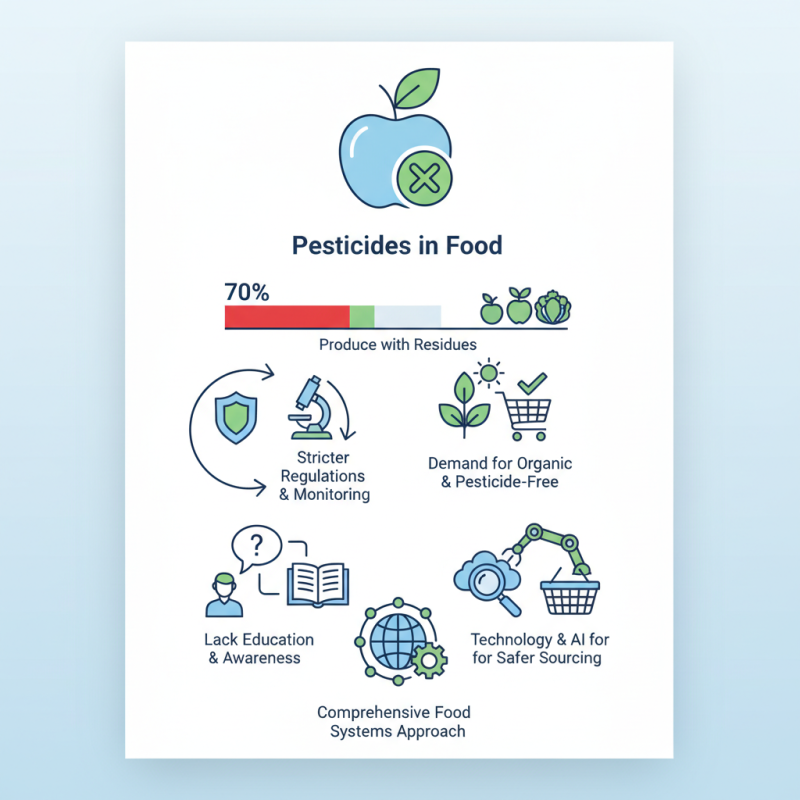
Pesticides in food have become a critical concern globally. The increasing use of chemical treatments in agriculture raises questions about food safety and health. Reports indicate that nearly 70% of fruits and vegetables may contain pesticide residues. The reliance on these substances can lead to adverse effects on both human health and the environment.
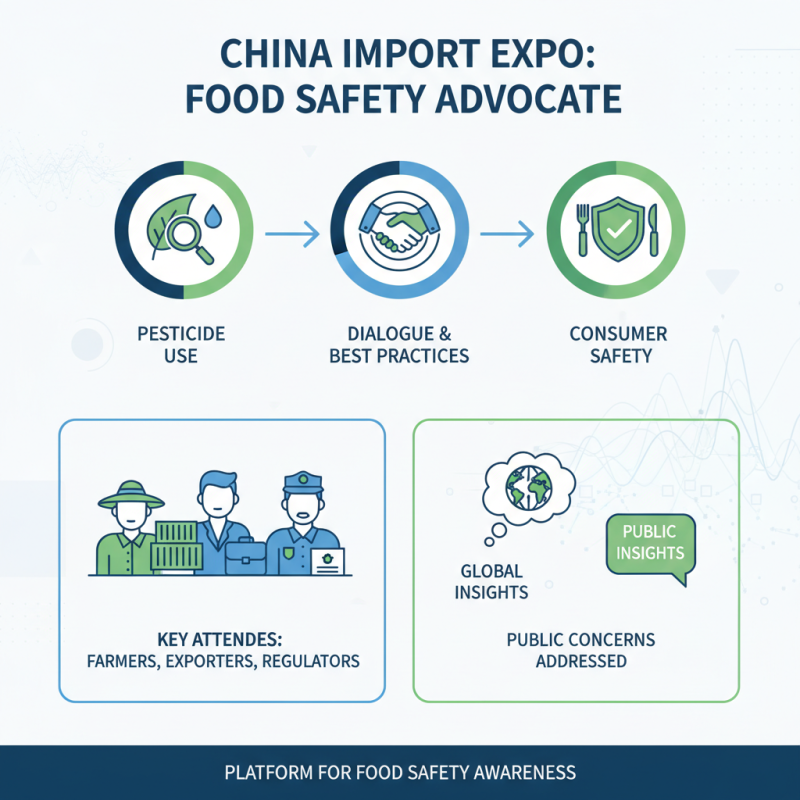
At the China Import Expo, discussions have centered around these issues. Experts emphasize the need for stricter regulations and better monitoring of pesticide levels in food products. The demand for organic and pesticide-free alternatives is growing. Consumers seek transparency regarding what they eat.
However, education on this topic is often lacking. Many do not understand the potential risks associated with pesticide residues. It's essential for everyone to engage in this conversation. A comprehensive approach towards safer food systems is needed. The role of technology, such as AI, in sourcing safer products could offer solutions. Insights shared at such expos may pave the way for improvements in food safety standards globally.
Insights on the Presence of Pesticides in Imported Food Products
The presence of pesticides in imported food products is a growing concern in today’s global market. Recent reports indicate that nearly 30% of imported food samples in China exceed safety limits set by health authorities. This raises questions about food safety and consumer health. In 2022, the China Import Expo highlighted the need for rigorous pesticide residue testing, showcasing a significant gap between consumer expectations and regulatory measures.
Data from the China Academy of Agricultural Sciences reveals alarming statistics. Out of over 2,000 imported food products tested, 15% showed pesticide residues that were concerning. Fruits and vegetables, in particular, had notably higher contamination rates. Such findings prompt us to reflect on the systems in place for food safety monitoring. Are current regulations stringent enough? Do we have adequate resources for effective testing?
As awareness grows, consumers are increasingly demanding transparency in food sourcing. A 2023 survey showed that 70% of respondents express worry about pesticide residues. The gap between consumer knowledge and actual food safety practices remains a critical issue. Stakeholders must address these gaps to ensure that imported products meet safety standards. The future of food safety relies on persistent efforts and reforms in pesticide regulations.
Analyzing Pesticide Regulations for Food Imports in China
China's food import regulations have become more stringent in recent years, especially regarding pesticide residues. The country aims to protect consumer health and ensure food safety. Comprehensive testing is now mandatory for agricultural products entering the market. Authorities often conduct random checks to monitor pesticide levels in imported goods.
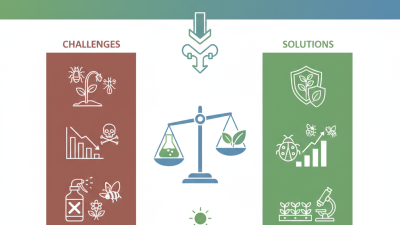
Despite these measures, challenges persist. Some imported foods still test positive for excessive pesticide residues. This raises concerns about supply chains and agricultural practices in exporting countries. As trade relationships evolve, there are discussions about harmonizing regulations to ensure safer food imports. It remains to be seen how effectively these regulations can adapt to new agricultural technologies and practices.
The impact of these regulations is significant. Importers must invest in compliant practices and documentation. They need to understand the evolving regulations to avoid costly penalties. While many strive for excellence, some fall short. Food safety is paramount, and ongoing dialogue is essential for improvement. Stakeholders must continuously evaluate and enhance their processes to meet compliance standards.
Consumer Attitudes Toward Pesticide Residues in Imported Foods
Consumer attitudes toward pesticide residues in imported foods are shifting. Many people are becoming more aware of food safety. This awareness is fueled by health concerns and media coverage. Studies show that consumers prefer foods with lower pesticide levels. They express strong interest in organic options or foods labeled as pesticide-free.
Tips: Always wash fruits and vegetables before consumption. This simple action can reduce pesticide residue significantly. Peel the skin of certain produce if you are especially concerned. Consider growing your own herbs and vegetables. This way, you control what goes into your food.
Despite these preferences, some consumers still feel confused. A lack of clear labeling can lead to mistrust. Some question whether imported foods are safe. They wonder if regulations in other countries are strict enough. The perceived risks often overshadow the benefits of variety and convenience offered by imports. Awareness campaigns could help clear up misinformation. They can also improve consumer confidence in food safety standards.
Tips: Research where your food comes from. Support local farmers when possible. Their practices might be more transparent. Communication is key. Engaging with producers helps consumers feel more connected and informed.
Future Trends in Pesticide Use and Food Safety Standards in China
The landscape of pesticide use in China is changing rapidly. New trends are emerging in food safety standards, which are vital for consumer health. The push for organic farming is gaining traction. More farmers are exploring sustainable practices. However, achieving a balance remains challenging. Many farmers still rely heavily on conventional pesticides.
Increased awareness of food safety has driven regulatory shifts. The government is scrutinizing pesticide residues more closely. This has led to a need for better monitoring and reporting systems. Still, some gaps remain in implementation. Not all producers are fully compliant or educated on new standards.
As consumers, we must stay informed about these changes. It’s essential to understand where our food comes from. Transparency in food supply chains is crucial for safety. Meanwhile, the complexity of pesticide regulations can be overwhelming for the industry. Continued dialogue between farmers, regulators, and consumers is needed.
Top 10 Insights on Pesticides in Food at China Import Expo
This chart illustrates the levels of pesticide residues measured in food products presented at the China Import Expo. As food safety standards evolve, monitoring and regulation of pesticide usage are crucial for public health.