What is Household Insecticide and How Does It Work?
Household Insecticides play a vital role in managing pest infestations in our homes. Understanding how they work can empower homeowners to make informed choices. These products, ranging from sprays to baits, target a variety of insects. Ants, cockroaches, and mosquitoes are just a few examples of common pests that household insecticides can effectively combat.
The science behind household insecticides is fascinating. They often contain chemical compounds that disrupt the nervous systems of insects. While effective, these chemicals can also pose risks to humans and pets. It's crucial to use them correctly to avoid accidents. Many people overlook label instructions, which can lead to ineffective application or worse, harm.
Although household insecticides offer convenience, reliance solely on them may be problematic. They do not address the root causes of infestations. For long-term solutions, consider integrating preventive measures. This might include sealing entry points and maintaining cleanliness. Adopting a comprehensive approach can help you maintain a pest-free environment while using household insecticides responsibly.
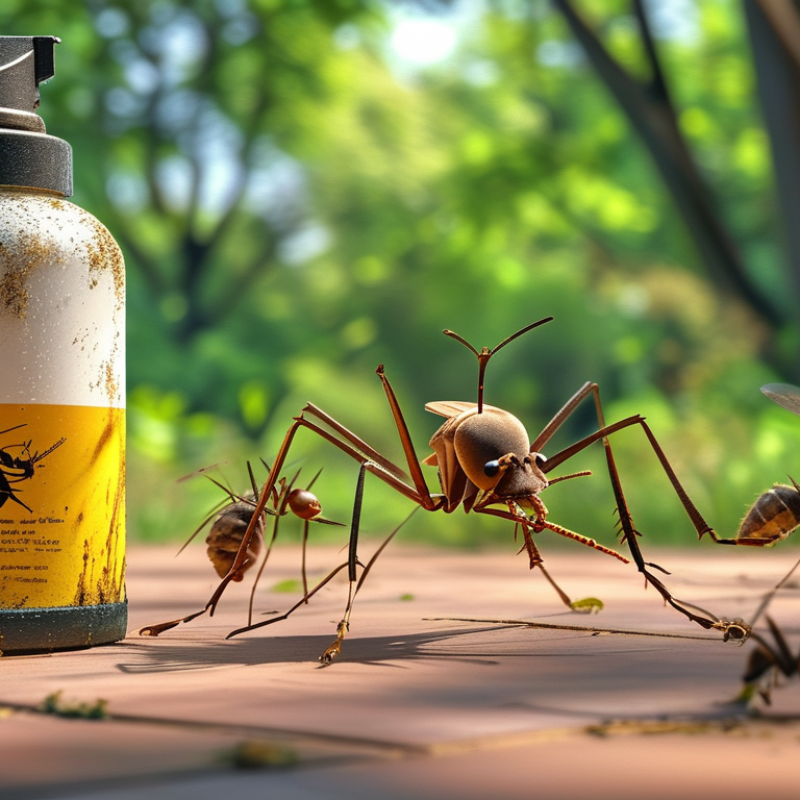
What is Household Insecticide: Definition and Types
Household insecticides are substances designed to control pests within homes. They come in various forms, including sprays, baits, and granules. Each type targets specific insects. Common household pests like ants, roaches, and flies often prompt homeowners to seek these solutions. For example, sprays provide quick results, but they can have lingering effects. Baits require time, but they eliminate pests at the source. Understanding these differences is crucial for effective pest management.
Safety is a vital concern when using household insecticides. Many contain chemicals that can be harmful to humans and pets. While effectiveness is important, it is essential to read labels carefully. Using too much or improperly can lead to accidents. Moreover, some may find the strong odors off-putting. This complexity makes it necessary for users to weigh their options carefully. Seeking eco-friendly alternatives has become common. These options may take longer to work but can be less harmful overall.
Ultimately, the choice of insecticide depends on personal needs and the severity of the pest problem. Each household may respond differently to treatments. Experimentation with various methods might be needed. Observing how residences react to specific products can guide future use. Homeowners should stay informed and be cautious. This reflects a responsible approach to pest control and promotes a healthier living environment.
What is Household Insecticide and How Does It Work?
| Type of Insecticide | Active Ingredient | Target Insects | Application Method | Safety Precautions |
| Pyrethroids | Permethrin | Roaches, Ants | Spray, Fogger | Wear gloves, avoid skin contact |
| Organochlorines | DDT | Mosquitoes, Flies | Spray | Use in well-ventilated areas |
| Neonicotinoids | Imidacloprid | Fleas, Bed Bugs | Dust, Spray | Keep away from children and pets |
| Botanical Insecticides | Pyrethrin | Moths, Fruit Flies | Spray, Traps | Non-toxic, minimal precautions |
| Insect Growth Regulators (IGRs) | Methoprene | Cockroaches, Fleas | Spray, Granules | Follow label instructions |
The Chemistry Behind Household Insecticides: Active Ingredients Explained
Household insecticides play a crucial role in managing unwanted pests in our homes. Understanding the active ingredients helps us appreciate how these products work. Commonly used ingredients include pyrethroids and diatomaceous earth. Pyrethroids disrupt the nervous system of insects, causing paralysis. They are synthetic versions of naturally occurring pyrethrins, derived from chrysanthemum flowers.
Diatomaceous earth, on the other hand, is a mechanical insecticide. It consists of crushed fossilized algae. The sharp edges of diatomaceous earth damage the exoskeletons of insects, leading to dehydration and ultimately death. This method is less toxic to humans and pets, making it a popular choice for those who prefer safer options.
While insecticides are effective, they come with their own set of challenges. Overuse can lead to resistant insect populations. Additionally, some may pose health risks to humans and pets if used improperly. It's essential to read instructions carefully and follow safety guidelines. Effective pest control not only requires the right chemicals but also informed application. Balancing efficacy and safety is a constant task for homeowners.
How Household Insecticides Target Insects: Mechanisms of Action
Household insecticides serve a crucial role in pest management. They target insects through various mechanisms that disrupt their normal biological functions. One common method is by interfering with the insect’s nervous system. Chemicals such as pyrethroids block sodium channels in nerve cells, leading to paralysis and death. Evidence suggests that these substances are highly effective against a wide range of pests, reducing populations significantly.
Another mechanism involves the disruption of the insects' hormonal systems. Insect growth regulators (IGRs) are compounds that mimic hormones necessary for growth and development. They prevent young insects from maturing into adults, thus breaking the reproduction cycle. Reports indicate that IGRs can reduce pest populations by over 90% when used correctly. However, improper application can lead to resistance, raising concerns about long-term effectiveness.
Research emphasizes the importance of understanding these mechanisms to enhance efficacy and safety. For instance, mixed insecticides targeting different pathways can prevent resistance development. Balancing efficacy with environmental safety remains a challenge in the industry. Continuous study is essential to address these growing concerns and ensure responsible use in homes.
Safety Measures and Guidelines for Using Household Insecticides
When using household insecticides, safety measures are crucial. Always read the label thoroughly before application. Understanding how the product works can prevent accidental exposure. Store insecticides in a secure place, away from children and pets.
Ventilation is important during and after use. Open windows to allow fresh air circulation. Avoid inhaling fumes as they may irritate your respiratory system. Wear gloves to protect your skin, especially if you have allergies or sensitive skin.
Dispose of empty containers properly. Follow local guidelines for hazardous waste disposal. Keep in mind that safety is a shared responsibility. Reflect on the potential impacts of chemicals in your home. Consider using natural alternatives where possible. Being informed creates a safer environment for all.
Current Trends in Household Insecticide Regulations and Consumer Awareness
Household insecticides have become increasingly scrutinized due to concerns about safety and environmental impact. Regulatory bodies are tightening guidelines to ensure products are safer for consumers. This shift reflects growing consumer demand for transparency in household products. Many users now seek information on ingredients before purchasing. They evaluate the potential risks posed by these chemicals.
Awareness about the potential hazards associated with household insecticides is on the rise. Users are more attentive, often reading labels closely. Increased education about pests and pest control is also a trend. Yet, confusion persists around which products are genuinely eco-friendly. Some marketing claims may not hold up under scrutiny. It’s essential for consumers to assess the reliability of the information they receive.
Innovations in natural alternatives are gaining traction. These products often tout being less harmful yet effective. However, effectiveness can vary widely. Sometimes, these options require more frequent applications, leading to consumer frustrations. As regulations evolve, the industry must balance safety and efficacy with consumer expectations. Respecting public health will remain essential for future development.
Current Trends in Household Insecticide Regulations and Consumer Awareness
The following chart illustrates the percentage of consumers who are aware of recent regulations regarding household insecticides and their general concerns about safety and environmental impact.