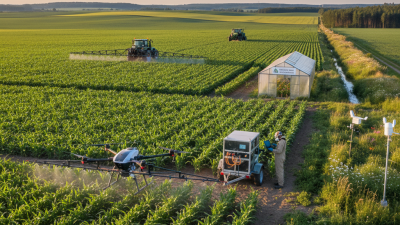
10 Essential Tips for Using Biologicals in Agriculture Success?
In recent years, biologicals agriculture has gained attention for its potential to improve crop yields and support sustainable farming practices. Many farmers are turning to biological solutions to enhance soil health and boost plant resilience. However, navigating this relatively new field can be challenging.
Choosing the right biological product is not straightforward. Different crops may respond differently to biologicals. Understanding the specific needs of each plant and soil is crucial. Additionally, the timing of application plays a significant role. Some farmers may underestimate the importance of applying biologicals at the right growth stage.
Researching the compatibility of biologicals with existing practices can also be daunting. Mismanagement can lead to limited benefits or even poor results. Growing awareness and education can help address these inefficiencies. By embracing trial and error, farmers can refine their approach to biologicals agriculture and foster a successful farming environment.

Understanding Biologicals: Definition and Importance in Agriculture
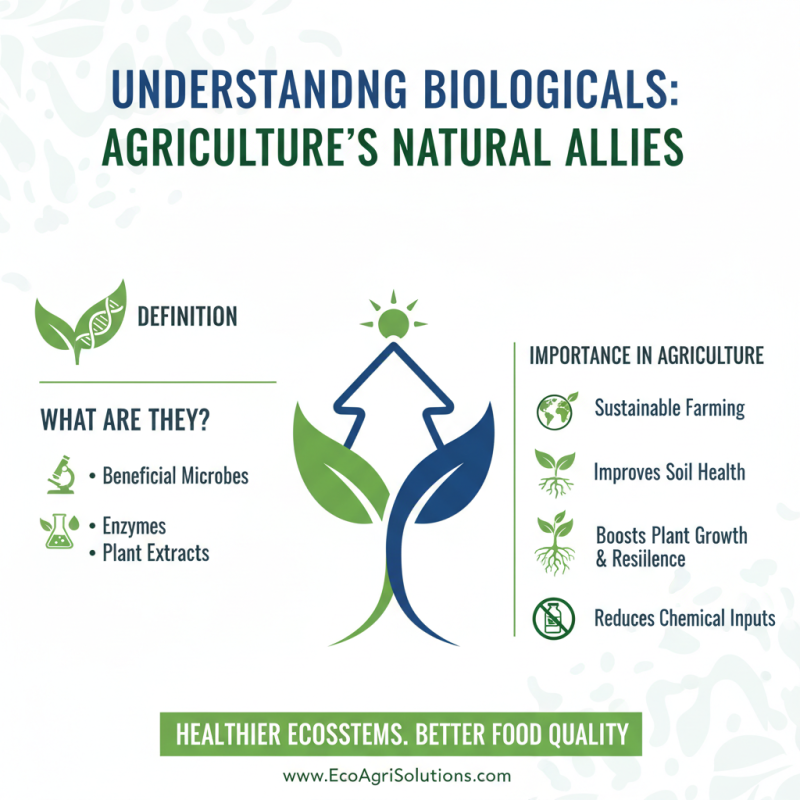
Biologicals in agriculture encompass a wide range of natural products. They include beneficial microbes, enzymes, and plant extracts. Understanding their role is vital for sustainable farming. These solutions improve soil health, promote plant growth, and enhance crop resilience. Using biologicals can reduce the need for chemical inputs. This shift leads to healthier ecosystems and better food quality.
When incorporating biologicals, it's important to evaluate your specific needs. Not all biologicals are suitable for every situation. Conduct soil tests to understand the soil's microbiome. This helps in selecting the right products.
Keep in mind, experimentation is part of the process. You may encounter challenges as you implement new practices. Monitor the results closely. Another key tip is to combine biologicals with good agronomic practices. This synergy can enhance outcomes significantly. Remember, it’s a journey of learning and adapting to achieve success in agriculture.
Choosing the Right Biologicals: Types and Their Specific Applications
Choosing the right biologicals for agriculture is crucial for maximizing crop yields. Biological products can enhance soil health, control pests, and improve nutrient availability. Understanding their specific applications is essential for farmers.
Tip: Assess your soil health before selecting biologicals. Conduct a thorough soil test to identify nutrient deficiencies. Certain biologicals thrive in specific conditions. For example, mycorrhizal fungi are beneficial in low-nutrient soils. They help plants absorb phosphorus effectively.
Tip: Consider the crop type when choosing biological products. Some biologicals are more effective for specific crops. For instance, certain strains of bacteria promote growth in legumes. They enhance nitrogen fixation, boosting productivity. Using the wrong biological can lead to underwhelming results.
Data from industry reports indicate that biologicals could increase yields by 10-20%. However, not all products are created equal. Farmers should keep in mind that results can vary. What works for one farm may not suit another. Continuous evaluation of product performance is essential. Seek feedback from fellow farmers. Collaboration can lead to improved choices.
10 Essential Tips for Using Biologicals in Agriculture Success
Best Practices for Application: Timing, Methods, and Dosage
Biologicals in agriculture offer sustainable alternatives. Applying them effectively is key to success. Timing plays a crucial role in maximizing their benefits. For example, applying biofungicides during flowering can significantly reduce plant stress and enhance yield. Reports suggest that when applied at the right growth stages, biologicals can improve crop resilience by up to 30%.
Methods of application vary widely. Foliar sprays, soil drenching, and seed treatments are common strategies. Each method has its advantages. Foliar applications can ensure direct contact with the plant, while soil drenching targets root systems. However, some farmers struggle with application techniques. Mismanagement can lead to reduced efficacy, so training is essential.
Dosage also matters. Using too little may yield no benefits, while overapplication can be wasteful or even harmful. Research indicates that adhering to recommended dosages can optimize outcomes. A study highlighted that correct dosing improved crop health by 25%. Balancing these factors can greatly influence the success of biologicals in agriculture.
10 Essential Tips for Using Biologicals in Agriculture Success - Best Practices for Application: Timing, Methods, and Dosage
| Tip | Description | Best Timing | Application Method | Recommended Dosage |
|---|---|---|---|---|
| 1. Understand Microbial Types | Choose appropriate microorganisms based on crop needs. | Before planting | Soil drenching | 1-2 liters per hectare |
| 2. Soil Health Assessment | Test soil to determine nutrient needs. | Annual or pre-plant | Incorporate with tillage | As per soil test results |
| 3. Proper Storage Conditions | Store biological products in cool, dry places. | N/A | N/A | Follow manufacturer guidelines |
| 4. Use in Combination | Combine with compatible fertilizers for better results. | Early growth stage | Foliar spray | 250-500 ml per 100 liters of water |
| 5. Monitor Crop Response | Observe and document changes in crop health. | Throughout the growing season | N/A | N/A |
| 6. Apply at Optimal Soil Moisture | Ensure soil is moist for effective application. | Post rain or irrigation | Injector systems | 1-3 liters per hectare |
| 7. Sequence of Application | Apply biologicals before or after chemical treatments. | Prior to chemical usage | Ground application | Depends on chemical specifics |
| 8. Follow Label Instructions | Adhere strictly to recommended use guidelines. | N/A | N/A | As per product label |
| 9. Consider Environmental Factors | Factor in weather conditions before application. | Avoid extreme conditions | Aerial application | 1-2 liters per hectare |
| 10. Educate Staff | Ensure all personnel understand proper handling and application. | Before any application | Training sessions | N/A |
Integrating Biologicals with Conventional Practices for Optimal Results
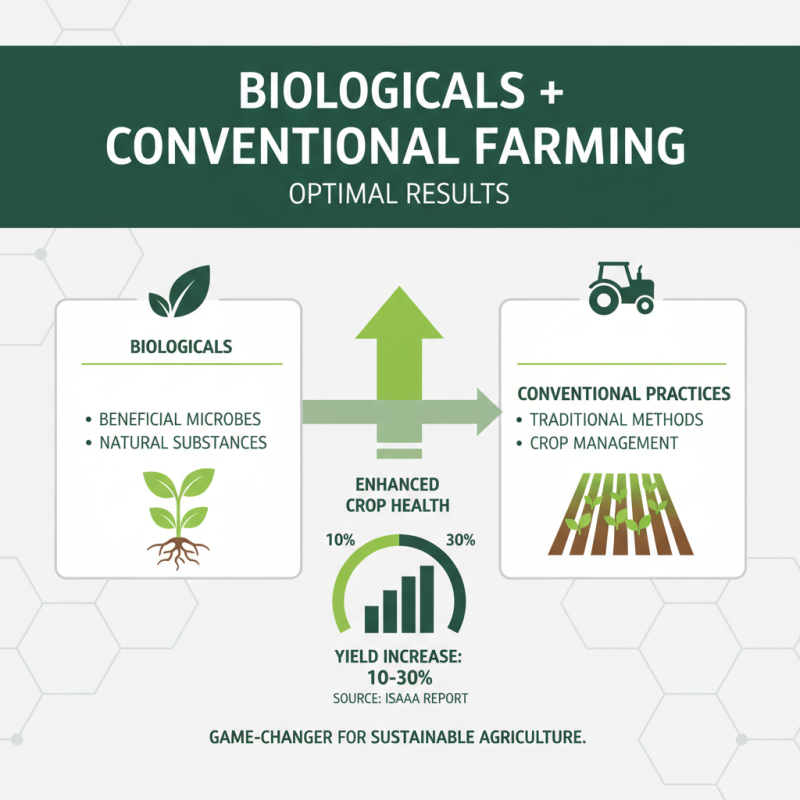
Integrating biologicals into conventional farming practices is a game-changer. Biologicals include beneficial microbes and natural substances that enhance crop health. According to a recent report by the International Service for the Acquisition of Agri-biotech Applications, biologicals can increase crop yield by 10-30%. These impressive figures highlight their potential when combined with traditional methods.
Farmers often face challenges when adopting biologicals. Some report a lack of reliable information on application timing and rates. Moreover, transitioning to these methods may require changes in equipment and processes. For instance, effective integration mandates precise timing for application, ensuring the right conditions for maximum impact. Research from the Agricultural Research Service noted that the synergy between biologicals and synthetic inputs can improve soil health and resilience when managed correctly.
Not all farms will see immediate success with biologicals. Each ecosystem is unique, and results can vary. Careful monitoring and adjustment are crucial to understand what works best. An ongoing analysis could help in fine-tuning strategies. Engaging with agronomists and extension services can provide insights into best practices, fostering a collaborative approach to sustainable agriculture.
Monitoring and Evaluating Success: Measuring the Impact of Biologicals
Evaluating the success of biologicals in agriculture is crucial. Many farmers are shifting to these sustainable solutions. However, understanding their impact requires careful monitoring. A recent report highlighted that 70% of farmers experienced yield increases when using biologicals. Yet, 30% reported no significant change. This gap prompts deeper analysis.
To effectively measure success, consider specific metrics. Track crop yields, soil health, and pest control efficiency. Research shows that 40% of growers rely on soil testing to evaluate biological efficacy. This helps in identifying areas of improvement. Regular assessments can unveil trends and unexpected outcomes.
It's essential to acknowledge limitations as well. Not every biological works for every crop or region. Some farmers faced challenges like inconsistent application rates. This variability can skew results. Engaging with agronomists can provide valuable insights. Their expertise may help optimize biological use and improve overall results.
Related Posts
-
How to Safely Use Agricultural Chemicals for Optimal Crop Production in 2025
-
2026 How to Choose Corteva Chemicals for Sustainable Agriculture?
-
2025 Top Soybean Fungicide Options to Boost Crop Yields and Health
-
10 Essential Tips for Using Corteva Crop Protection Effectively?
-
Top 5 Benefits of Pyroxasulfone Herbicide for Effective Weed Control?
-
Top Strategies for Effective Crop Protection in Modern Agriculture