How to Use 2 4 D Herbicide Effectively in Your Garden?
Using the 2 4 D herbicide in the garden can be an effective method to control weeds. According to Dr. Jane Thompson, a renowned herbicide specialist, "Proper application of 2 4 D can lead to a healthy garden." Her insights are valuable for gardeners looking to improve their weed management strategies.
The 2 4 D herbicide targets a specific group of weeds without harming most of the surrounding plants. However, applying it requires caution. Timing and dosage are crucial. Overuse can damage desired plants or lead to resistance in weeds. It’s an art that demands observation and understanding of plant life cycles.
Many gardeners struggle with the application. They may not follow instructions rigorously or fail to consider weather conditions. Rain can wash away the herbicide’s effectiveness, while extreme heat may lead to volatility. This fine balance makes embracing the 2 4 D herbicide complex yet rewarding when done correctly. Knowledge and care can transform a garden into a thriving ecosystem.
Understanding 2,4-D Herbicide: Types and Application Methods
When using 2,4-D herbicide, it's important to understand its types and application methods. Two common forms are ester and amine. The ester type is more volatile and works better in hot weather. Meanwhile, the amine form is less prone to drift. Both can target broadleaf weeds effectively. According to a study by the USDA, 2,4-D can reduce common garden weeds by over 80% when applied correctly.
Application methods vary significantly. Spraying is the most popular technique. A fine mist helps cover more area and ensures even distribution. Calibration of the sprayer is crucial to avoid over or under-application. Research indicates that applying at 1 to 3 pints per acre is often effective. Soil moisture and temperature also influence effectiveness. Too dry or too wet conditions can lead to poor results.
Timing plays a critical role in effectiveness. Applying during the early growth stages of weeds maximizes control. However, applying too late may not yield satisfactory results. Many gardeners overlook this aspect. Regular soil testing can also help in achieving better outcomes. It allows for tailored application, addressing specific soil needs. Balancing 2,4-D use with organic methods is also worth considering. This may lead to a more sustainable garden practice.
How to Use 2 4 D Herbicide Effectively in Your Garden?
| Aspect |
Details |
| Type of Herbicide |
Systemic herbicide, selective for broadleaf weeds |
| Common Uses |
Controlling weeds in lawns, pastures, and certain crops |
| Application Methods |
Foliar spray, soil application |
| Dilution Ratio |
Usually 1 to 2 ounces per gallon of water |
| Best Time to Apply |
During active growth of weeds, typically in spring |
| Safety Precautions |
Wear protective clothing, avoid drift, and keep pets away |
| Environmental Impact |
Can affect non-target plants; use with caution |
| Weeds Controlled |
Dandelions, clover, thistles, and other broadleaf weeds |
Optimal Timing: When to Apply 2,4-D for Maximum Efficacy
Applying 2,4-D herbicide at the right time is essential for optimal results. Research indicates that the best window for application is between early spring and late fall. During this period, the target weeds are actively growing, allowing the herbicide to be absorbed more effectively. According to the USDA, applying 2,4-D when weeds are in the vegetative phase yields a 70% higher success rate compared to applying it during dormancy.
Temperature plays a crucial role in efficacy. Ideal temperatures for application range from 60°F to 85°F. If it's too hot or too cold, the herbicide may not work effectively. This is a key point to consider. Studies show that applying it in temperatures above 90°F can cause the herbicide to volatilize, reducing effectiveness by over 30%. Always check the weather conditions before treating your garden.
Keep in mind that application timing isn't just about temperature. Soil moisture and weed size are critical too. Weeds should be less than 4 inches tall. Larger weeds can absorb less product. It’s a common oversight to apply too late. Many gardeners wait too long, only to find that the herbicide did not offer the desired control. Observing these factors could significantly improve your herbicide management strategy.
Application Techniques: Spraying Methods for Even Coverage
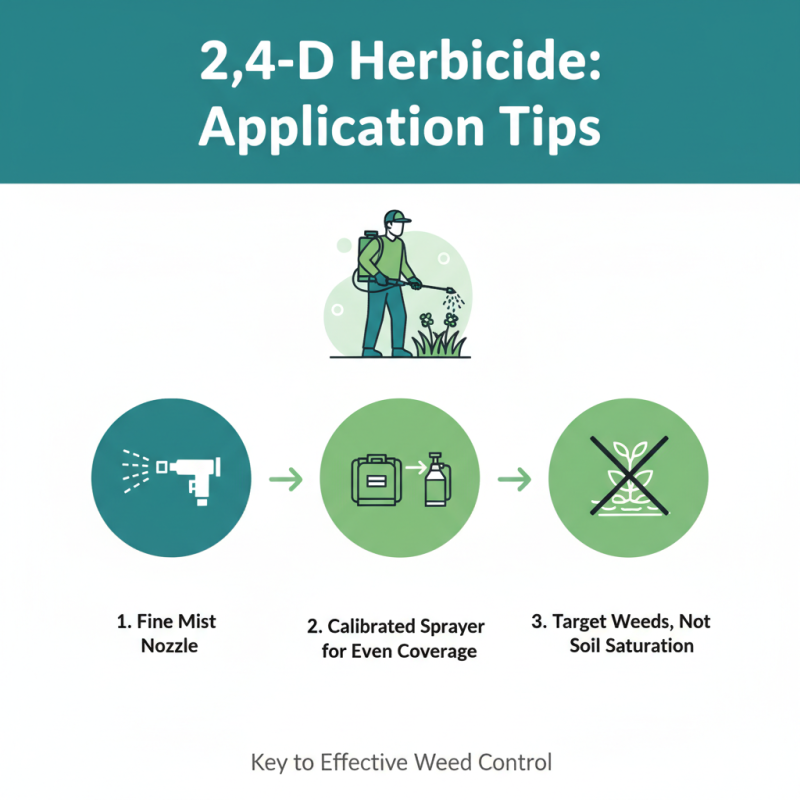
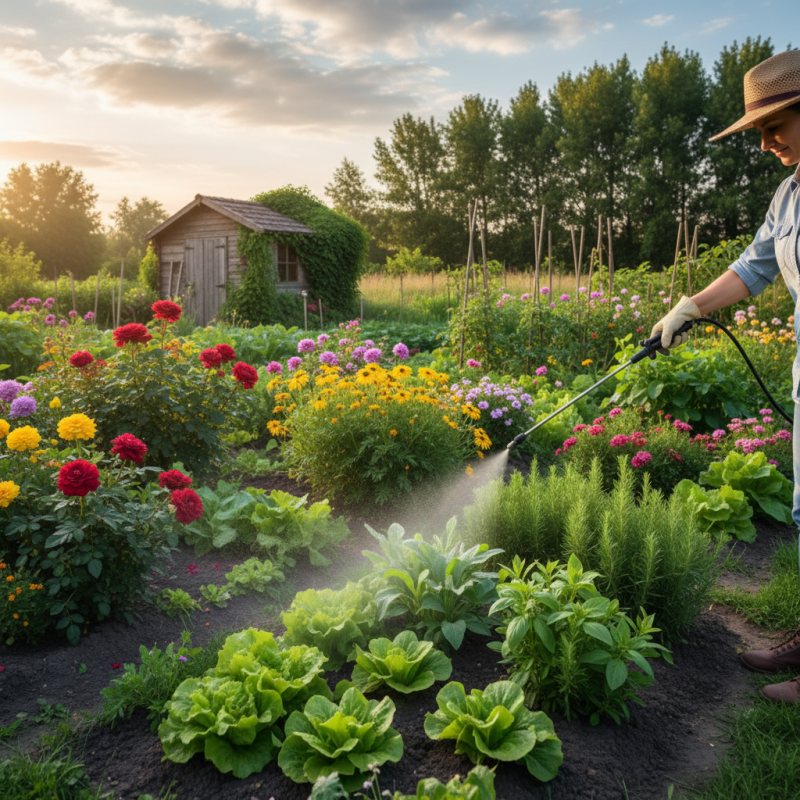
When using 2,4-D herbicide, proper application techniques are crucial. Spraying methods can significantly impact effectiveness. To achieve even coverage, a well-calibrated backpack sprayer or hand-held pump can be effective. These methods allow for better control of the application. It’s essential to adjust the nozzle to produce a fine mist. This helps target the weeds without oversaturating the soil.
Timing is important too. Spraying on a calm day prevents drift. Wind can carry the herbicide to unwanted areas. Early morning or late evening might be the best times. Avoid spraying right before rain, as it can wash away the chemical.
Always wear protective gear. Even with safety measures, it’s easy to overlook certain aspects. Some areas might be missed during spraying. Take the time to check for uniform coverage. Reflect on the process after application. If weeds persist, consider whether to adjust the technique or explore other solutions. Attention to detail can make all the difference in achieving a weed-free garden.
Safety Precautions: Protecting Your Plants and the Environment
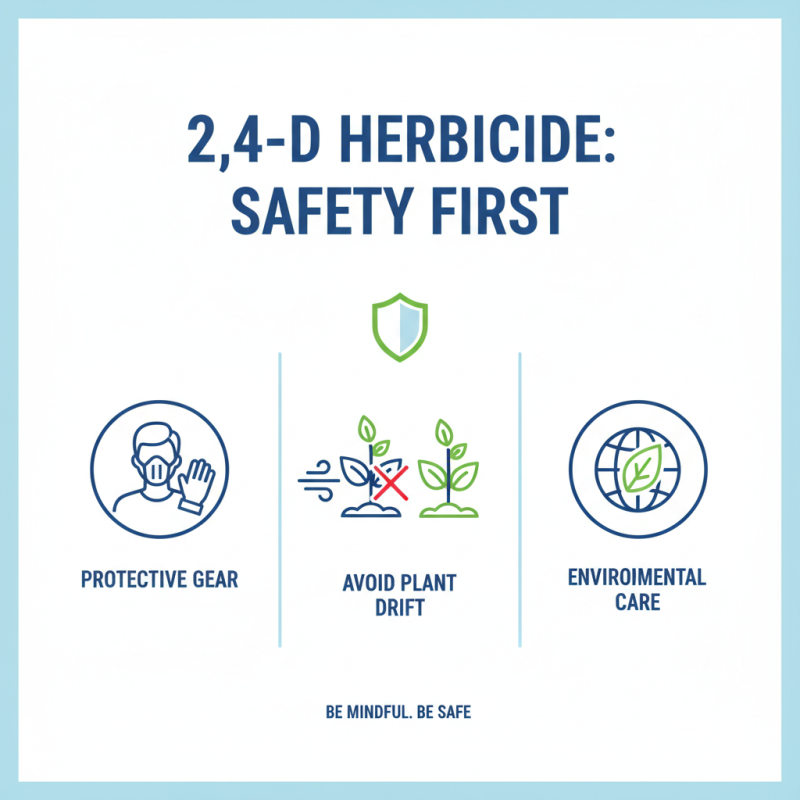
When using 2,4-D herbicide, safety is key. Protecting your plants and the environment should be your top priority. Always wear protective gear, such as gloves and masks. This reduces your exposure to harmful chemicals. Drift is a concern; it can affect nearby plants. Be mindful of wind direction before spraying.
Consider the timing of your application. Early morning or late evening is ideal. This minimizes the risk of evaporation. Avoid using it during rain, as this increases runoff into water sources. A small lapse can lead to bigger environmental issues.
Also, read labels carefully to ensure safety practices are followed. Some plants may be sensitive to the herbicide. Damage may not be immediately visible, leading to misjudgment. Regular checks on your plants can help. Strive for a balance between managing weeds and maintaining a healthy garden ecosystem.
Monitoring Results: Evaluating the Effectiveness of 2,4-D Treatment
Monitoring the results of 2,4-D herbicide treatment is crucial for effective garden management. After application, observe the treated areas closely. Look for signs of weed wilting or discoloration within a week. This early feedback is essential. Sometimes, weeds may show resilience. In such cases, consider adjusting your approach.
Evaluate the overall effectiveness by checking the growth of surrounding plants. Healthy plants should thrive while unwanted weeds diminish. Take notes on what worked and what didn't. It’s a learning process. Perhaps you missed a few hardy weeds. Maybe the timing of application wasn’t optimal. These reflections can help refine your methods in future treatments.
Don’t forget about environmental factors. Rain may wash away some herbicide, impacting performance. Wind might carry it to unwanted areas. If results are not as expected, reassess the procedure. Adjust dosage or timing. Gardening often requires trial and error. Embrace those imperfections—they lead to growth.