Why is Crop Protection Essential for Sustainable Farming?
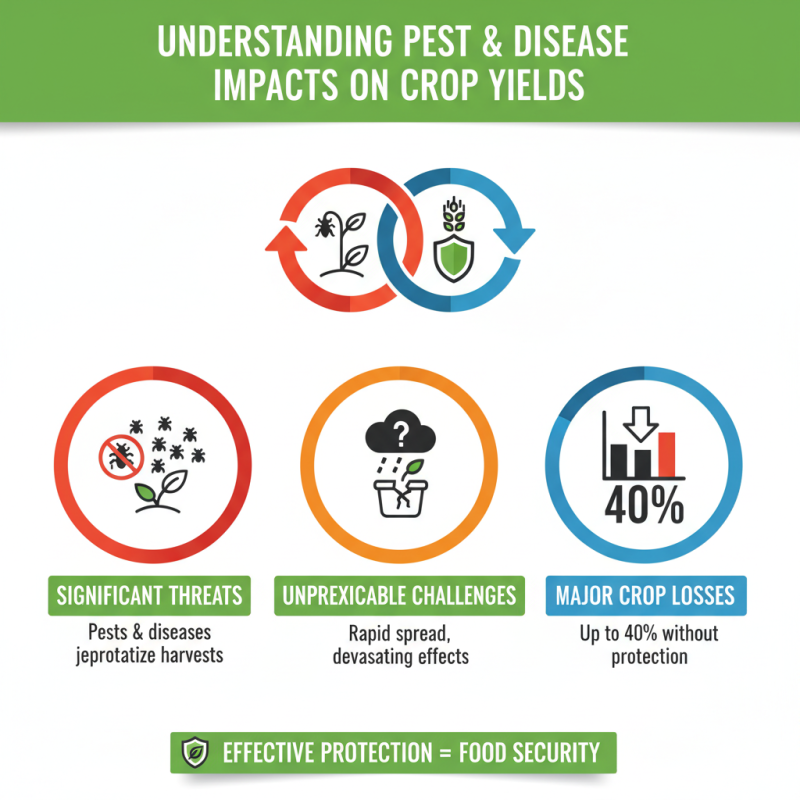
In the quest for sustainable farming, crop protection emerges as a critical component. Farmers face numerous challenges, including pests, diseases, and climate change. These threats can devastate crops, reducing yields and affecting food security. Effective crop protection strategies help farmers safeguard their harvests, ensuring profitable outcomes.
Despite advancements, there are still gaps in our understanding of crop protection. Some methods can lead to resistance in pests, forcing farmers to seek alternatives. Additionally, over-reliance on chemical solutions raises environmental concerns. Balancing efficacy with sustainability is a pressing need in the industry.
Thus, crop protection is not merely a tool; it is a lifeline. It plays a vital role in promoting agricultural resilience. The journey toward sustainable farming involves continuous learning and adaptation. In this context, recognizing the importance of crop protection will foster a healthier future for our planet.
The Role of Crop Protection in Agricultural Sustainability
Crop protection plays a vital role in the success of sustainable farming. Farmers face numerous threats from pests, diseases, and weeds. Without effective protection strategies, crop yields can plummet. Healthy crops are essential for feeding the growing global population. This demand requires innovative crop protection methods that are both effective and environmentally friendly.
Integrated Pest Management (IPM) is one approach that emphasizes a balance between agricultural productivity and ecological health. By combining biological control methods with reduced pesticide use, IPM supports sustainability. This method not only protects crops but also preserves beneficial organisms. Implementing IPM can be challenging, requiring ongoing education and adaptation. Farmers must constantly assess risks and make strategic adjustments to be effective.
Despite the progress, challenges remain. Over-reliance on chemical solutions can lead to resistance in pests. Additionally, not all farmers have access to the latest technologies. This disparity raises questions about equity in agricultural practices. Finding the right path forward involves collaboration among researchers, farmers, and policymakers. Sustainable crop protection requires commitment and continuous learning to achieve lasting agricultural success.
Innovative Technologies in Crop Protection for Sustainable Farming
Innovative technologies in crop protection are vital for sustainable farming. These advancements help minimize pesticide use while improving crop yields. According to a report by the Food and Agriculture Organization, sustainable practices can increase agricultural productivity by up to 20%. This shift not only protects the environment but also ensures food security for growing populations.
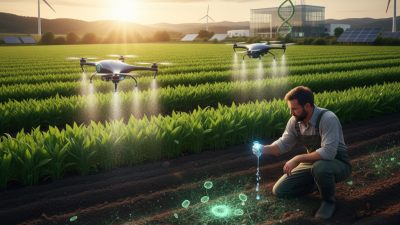
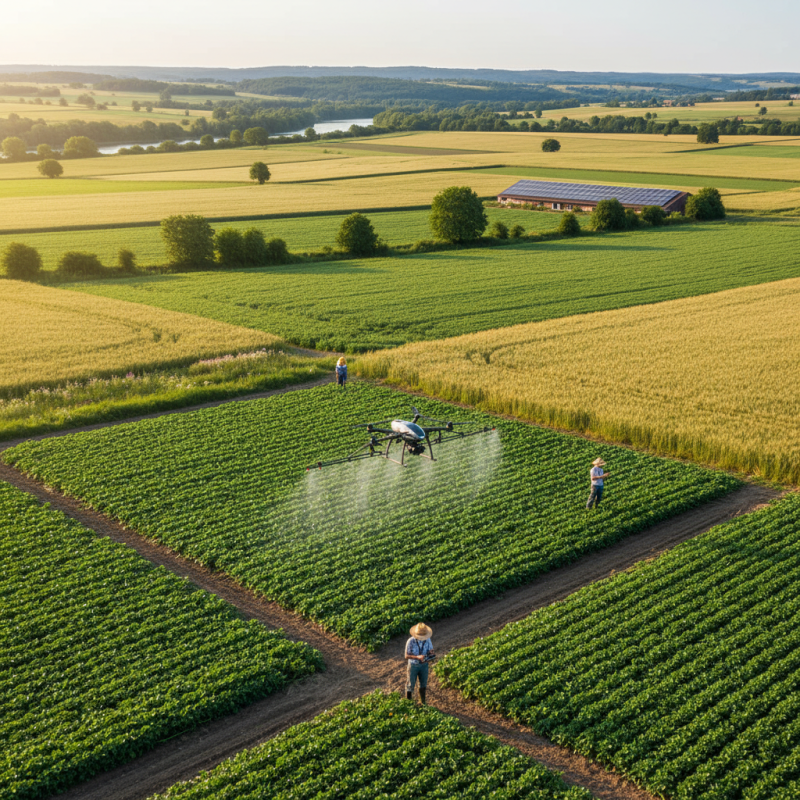
Precision agriculture is a leading technology in this area. By using drones and satellite imagery, farmers can monitor crop health in real time. This allows for targeted treatments, reducing excess chemical applications. The World Bank states that precision farming can cut input costs by 15%. Such reductions can have significant impacts on overall farm sustainability.
Tips: Always consider integrated pest management (IPM) practices. These involve combining biological controls with innovative technologies. This approach often leads to better long-term pest control and reduced environmental impact.
Investing in biological pesticides is another promising avenue. They offer an eco-friendly alternative to chemical pesticides. While the effectiveness may vary, these products are gaining traction. Farmers should analyze their specific needs and conditions before making decisions. This reflection is essential for improving pest management strategies.
Impact of Innovations in Crop Protection on Yield Improvement
Balancing Eco-Friendliness and Chemical Use in Crop Management
Sustainable farming requires a careful balance. Farmers face the challenge of managing pests while being eco-friendly. According to the Food and Agriculture Organization (FAO), up to 40% of global crops are lost to pests each year. This loss highlights the need for crop protection strategies that minimize environmental impact.
Chemical use in agriculture has been controversial. A recent report from the International Agency for Research on Cancer (IARC) noted potential risks associated with certain pesticides. Many farmers are adopting integrated pest management (IPM) systems. IPM combines biological control, habitat manipulation, and limited chemical use. This approach reduces reliance on harsh chemicals while effectively managing pests.
The challenge lies in striking the right balance. Some farming practices can misuse chemicals, harming beneficial insects and pollinators. The search for sustainable practices continues. Studies show that when farmers use fewer synthetic chemicals, they often see increased biodiversity and soil health. Rethinking pest management is vital for future farming success. Finding solutions through research and innovation is crucial for eco-friendly crop protection.
Economic Benefits of Effective Crop Protection Strategies
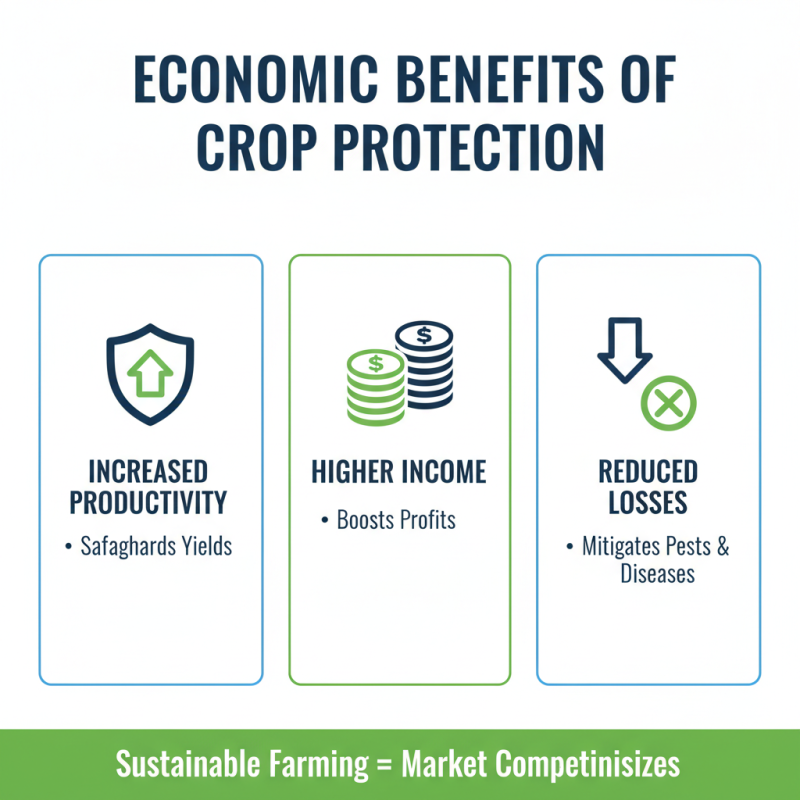
Crop protection plays a crucial role in sustainable farming by directly impacting economic outcomes. Effective crop protection strategies help farmers safeguard their yields from pests and diseases. By investing in these strategies, farmers can experience increased productivity, higher income, and reduced losses. This proactive approach is essential for maintaining competitive prices in the market.
Implementing integrated pest management (IPM) is a key component of crop protection. IPM combines biological controls, crop rotation, and resistant plant varieties. This method minimizes chemical use, preserving environmental health while maximizing profits. Farmers who adopt IPM can see substantial cost savings. However, not every farmer is familiar with these techniques, which can lead to reliance on less sustainable methods.
Tips for farmers: Educate yourself on local pest threats. Regular monitoring of crops can help you identify issues early. Engage with agricultural experts to learn about best practices and innovative solutions. Small adjustments can lead to big economic changes. Keep in mind that what works might not be suitable for every farm context. A reflective approach is vital for ongoing improvement in crop protection.