How to Choose the Right Upvc Pipe Coupling for Your Needs?
Choosing the right Upvc Pipe Coupling is crucial for any plumbing project. These couplings connect pipes securely, ensuring smooth fluid flow. Different applications require specific types of couplings. Understanding these needs can prevent costly mistakes.
When selecting an Upvc Pipe Coupling, consider factors like size, pressure rating, and application. Not all couplings are created equal. A mismatch can lead to leaks or failures. Many users overlook these details and face issues later.
Experience shows that proper selection enhances system reliability. You may ponder whether to choose a straight, elbow, or tee coupling. Each option serves a different purpose. It’s essential to reflect on your specific requirements. This decision impacts overall plumbing efficiency and durability.
Understanding the Different Types of UPVC Pipe Couplings Available
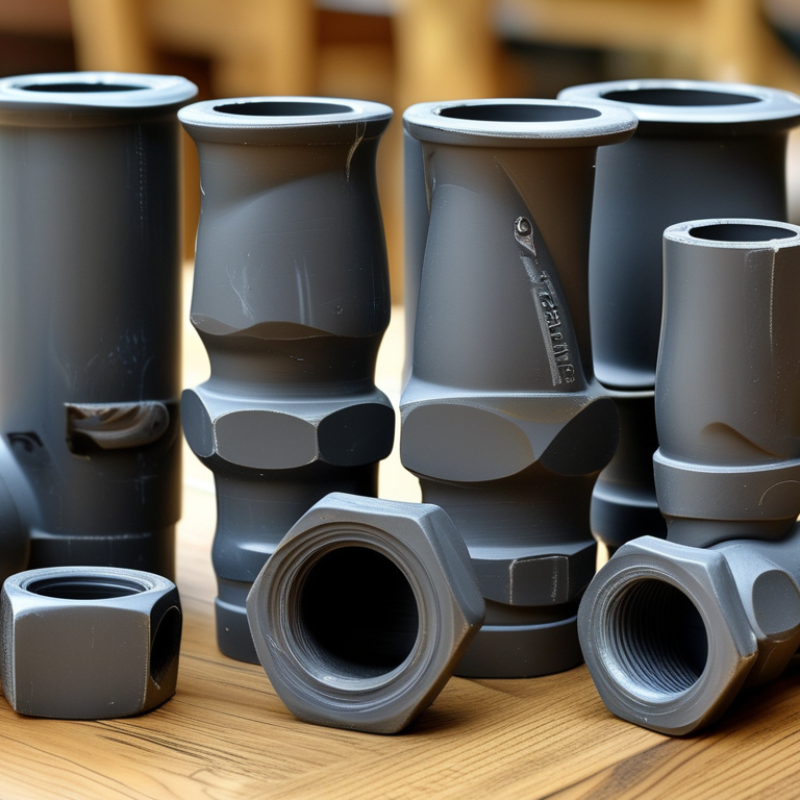
When choosing UPVC pipe couplings, it's essential to understand the various types available. Each coupling serves a specific purpose, and your choice can impact the efficiency of your plumbing or drainage system. There are several common types, including straight, reducing, and threaded couplings. Each has distinct features, making them suitable for different applications. For example, a straight coupling connects two pipes of the same diameter, ensuring a seamless flow. Reducing couplings are crucial for transitioning between different pipe sizes.
It's vital to consider the coupling's pressure rating and material compatibility. UPVC couplings are lightweight and resistant to corrosion, but not all are ideal for high-pressure systems. Inspect the specifications carefully. In some cases, a coupling might not fit perfectly, leading to leaks or increased wear over time. Proper measurement is key; even a slight oversight can cause significant issues downstream. Reflecting on these details will help you make an informed decision, ultimately enhancing the reliability of your system.
Evaluating the Size and Diameter Requirements for Your Pipe System
Choosing the right UPVC pipe coupling involves understanding size and diameter requirements. Accurate measurements are crucial. Industry reports suggest that miscalculations can lead to leaks and system failures. The correct diameter not only ensures a tight fit but also maintains the flow rate. An overly large coupling may compromise pressure, while a small one can restrict water flow.
For residential needs, common pipe diameters range from ½ inch to 4 inches. When evaluating sizes, consider the flow capacity required for your system. It's essential to have reliable data on your pipe dimensions. A study from the Plumbing Industry Association indicates that over 30% of plumbing issues result from improper pipe fittings. When selecting couplings, aim for those that match your pipe's outer diameter.
Tips for accurate sizing: always measure twice before purchasing. Use a caliper for precision. If in doubt, consult a plumbing expert. Remember that environmental factors, such as temperature changes, can affect pipe expansion. Regularly check fittings for wear and tear. Small cracks can develop unnoticed, leading to bigger future problems.
Assessing Pressure Ratings and Their Impact on Coupling Selection
When selecting a UPVC pipe coupling, pressure ratings are crucial. They indicate how well a coupling can handle fluid pressure. A coupling with a lower pressure rating might fail under high-stress conditions, leading to leaks or bursts. According to industry reports, couplings are generally rated from 5 bar to over 16 bar. Understanding these ratings helps ensure reliable piping systems.
It’s vital to match the pressure rating of the coupling with your piping system’s requirements. For instance, a residential water supply system might only need a 10 bar coupling. However, industrial applications might demand couplings rated at 16 bar or more. This choice can significantly affect the longevity and performance of the entire system.
**Tip:** Always check the manufacturer’s guidelines for specific applications. They often provide insights into the material guarantees and recommended pressure ratings.
Installation also plays a pivotal role in performance. An incorrectly installed coupling, regardless of its rating, can lead to failures. Take time to ensure connections are secure and leak-proof. Remember, while UPVC is durable, it can be brittle under extreme conditions.
**Tip:** Regularly inspect installations for wear or damage. This proactive approach can save costs in the long run. Proper planning and selection will yield better results over time.
How to Choose the Right Upvc Pipe Coupling for Your Needs? - Assessing Pressure Ratings and Their Impact on Coupling Selection
| Coupling Type | Pressure Rating (psi) | Suitable Applications | Temperature Range (°C) |
| Standard Coupling | 150 | Water Supply | 0 to 60 |
| High Pressure Coupling | 300 | Industrial Applications | -20 to 80 |
| Reducing Coupling | 200 | Join Different Sizes | 0 to 70 |
| Flexible Coupling | 100 | Vibration Damping | -10 to 50 |
Exploring Material Compatibility and Performance of UPVC Couplings
When selecting the right UPVC pipe coupling, material compatibility is key. UPVC is known for its durability and corrosion resistance. However, not all couplings are created equal. Understanding how different materials react with UPVC is essential for optimal performance. For example, certain chemicals may degrade the integrity of the coupling over time. It’s important to assess the entire system's needs before making a choice.
Tips: Always verify the chemical compatibility of your UPVC coupling with the fluids it will carry. Consider conducting tests if unsure about a particular application. Also, take note of temperature variations. Extreme heat or cold can affect performance, so choose couplings designed for those conditions.
Performance is another crucial factor. The coupling must withstand pressure and stress without failing. Standard UPVC couplings work well for many applications, but special situations may require reinforced options. Pay attention to the installation requirements; improper fitting can lead to leaks. Reflect on past experiences with different couplings and the lessons learned. This can guide your future choices effectively.
Considering Installation Techniques and Maintenance for Longevity of Couplings
When choosing a UPVC pipe coupling, proper installation techniques are crucial for longevity. A secure fit helps prevent leaks. Ensure the surfaces are clean before connecting. Using proper solvents enhances adhesion. Always follow manufacturer guidelines for application.
Maintenance is key to prevent early failures. Regular inspections help identify issues. Look for signs of wear or damage. Check connections regularly; a loose coupling can cause big problems over time.
Tips:
- Apply the right pressure when joining pipes. Too much pressure may crack the coupling.
- Keep the area dry during installation to ensure a solid bond.
- Replace worn couplings promptly. Waiting can lead to expensive repairs later.