
How to Choose the Best Corteva Herbicide for Your Crop
Choosing the best Corteva herbicide begins with the field, not the product shelf. Crop type, weed species, growth stage, soil texture, and weather all influence performance. A soybean field with dense waterhemp needs a different plan from a corn field facing resistant foxtail. Small details matter.
Dr. Bryan Young, a respected weed-science expert, has emphasized, “Herbicide selection must start with the weeds present, not the product label alone.” That principle remains practical. Walk the field before spraying. Check leaves, plant size, and uneven patches. Record what survived last season. Corteva herbicide options can support effective control, but only when matched carefully with labeled crops and target weeds.
A strong choice also considers application timing, residual activity, and resistance management. Read the current label. Confirm rates, crop safety, buffer requirements, and weather restrictions. Never assume yesterday’s program will fit today’s field. It may not.
Product rotation helps protect future performance. Including different sites of action can reduce selection pressure when used correctly. Still, no herbicide fixes every problem. Poor coverage, dusty leaves, drought stress, or rain arriving too soon can weaken results. I have seen clean-looking fields develop escapes because one small patch was ignored. That mistake deserves attention.
The best decision is evidence-based and local. Consult a qualified agronomist, compare field observations with university guidance, and follow Corteva’s official label instructions. Effective weed control is not simply stronger chemistry. It is careful timing, accurate identification, and disciplined follow-through. Sometimes, the most useful answer is to rethink the plan.
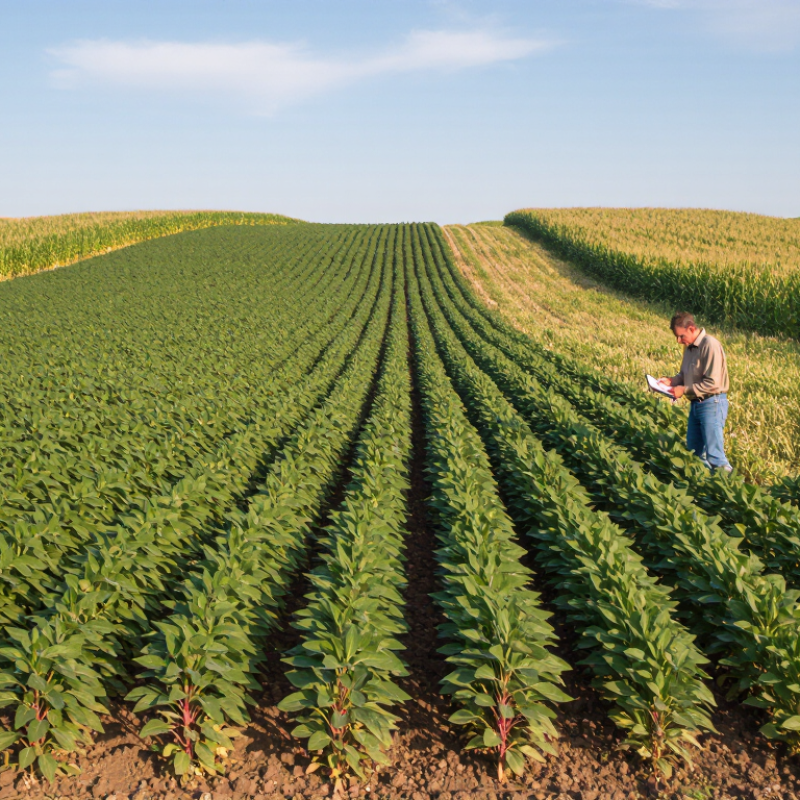
Define Crop, Weeds, and Growth Stage Using USDA-ARS Scouting Data
Choosing an herbicide begins with field evidence, not a product shelf. Define the crop, weed species, and growth stage from current scouting records. USDA-ARS research stresses accurate weed identification before treatment decisions. A broadleaf mix can hide Palmer amaranth, waterhemp, or ragweed. Their response may differ sharply.
Walk representative zones, not only field edges. Record weed density, plant height, leaf stage, and recent weather. Add geotagged photographs when possible. USDA-ARS weed-management studies show that small weeds are generally easier to control than mature plants. Palmer amaranth may produce more than 500,000 seeds per plant under favorable conditions, according to University extension reports. That changes the risk calculation quickly. Very quickly.
Match the label to the crop’s growth stage and the weed’s size. Check residual restrictions, rainfall requirements, application timing, and resistance warnings. The International Herbicide-Resistant Weed Database reported more than 500 confirmed resistance cases globally by 2024. A familiar treatment may fail in one field and work elsewhere. My first scouting pass is often incomplete; shaded areas and wet corners can mislead me. Recheck seven to fourteen days after application. Compare treated and untreated patches. USDA-ARS integrated weed-management guidance supports repeated monitoring because escapes can reveal resistance, poor coverage, or late emergence. Field notes should record all three possibilities, even when the cause is uncertain.
How to Choose the Best Corteva Herbicide for Your Crop - Define Crop, Weeds, and Growth Stage Using USDA-ARS Scouting Data
| Crop | Priority Weed | Scientific Name | Scouting Identification | Best Weed Growth Stage for Control | Crop Timing to Check | Common Active-Ingredient Options | Herbicide Mode-of-Action Groups | Selection and Resistance Notes |
|---|---|---|---|---|---|---|---|---|
| Corn | Waterhemp | Amaranthus tuberculatus | Emerges in warm soil; leaves are alternate, oval to diamond-shaped; stems may become reddish. | Less than 4 inches tall or fewer than 4 true leaves | V2–V6, before canopy closure | Atrazine, mesotrione, dicamba, or glufosinate where the hybrid trait and label permit | 5, 27, 4, or 10 | Use multiple effective sites of action and avoid relying repeatedly on Group 5 or Group 27 products where resistance is confirmed. |
| Corn | Palmer amaranth | Amaranthus palmeri | Small seedlings have notched leaf tips; mature plants often have long petioles and a terminal inflorescence. | Under 3 inches tall | V2–V6; inspect field edges and gaps in the canopy | Atrazine plus mesotrione, or glufosinate where permitted by crop trait and label | 5 + 27, or 10 | Palmer amaranth can grow rapidly; scout again after treatment and remove surviving plants before seed production. |
| Soybean | Common lambsquarters | Chenopodium album | Gray-green leaves with a white, mealy coating near the growing point; leaves are often triangular or irregularly toothed. | 2–4 true leaves | V2–V6, before significant canopy closure | S-metolachlor or pendimethalin preemergence; postemergence options depend on soybean trait and product label | 15, 3, or labeled postemergence groups | Residual herbicides are most reliable when applied before emergence or to very small seedlings; verify crop safety and rotational restrictions. |
| Soybean | Common waterhemp | Amaranthus tuberculatus | Hairless seedling with a narrow, lance-shaped first true leaf; plants are commonly found in wet or disturbed areas. | Under 4 inches tall | V2–V5 and before seed set | S-metolachlor, acetochlor, or trait-dependent postemergence active ingredients | 15 and labeled postemergence groups | Confirm resistance status with local testing or extension guidance; use residual activity and overlapping control programs. |
| Winter Wheat | Italian ryegrass | Lolium perenne ssp. multiflorum | Narrow glossy leaves, often with clasping auricles; plants may form dense clumps in winter wheat fields. | 1–3 leaves, before tillering | Fall or early spring, before wheat jointing | Pyroxasulfone or other labeled grass-control active ingredients | 15 or other label-approved groups | Control becomes less reliable after tillering; rotate herbicide groups and use certified clean seed where appropriate. |
| Winter Wheat | Marestail | Conyza canadensis | Produces a basal rosette; leaves are narrow and hairy, and mature plants develop a tall, branched stem. | Rosette stage, before bolting | Fall rosette or early spring before wheat jointing | 2,4-D, dicamba, or other wheat-labeled broadleaf active ingredients | 4 or other label-approved groups | Applications to small rosettes are generally more effective; observe wheat growth-stage and preharvest restrictions. |
| Cotton | Sicklepod | Senna obtusifolia | Opposite leaves with paired leaflets; seedlings and young plants often have a distinctive folded appearance. | 2–4 true leaves | 2–6 cotton leaves and before canopy closure | Pendimethalin or other cotton-labeled residual and postemergence active ingredients | 3 or other label-approved groups | Use timely residual protection and follow cotton variety, application-window, and rotational-crop restrictions. |
| Rice | Barnyardgrass | Echinochloa crus-galli | Grass with flattened leaf blades and no prominent ligule; often occurs in saturated or flooded field zones. | 1–3 leaf stage | Early rice growth, before grass tillering | Clomazone, quinclorac, or other rice-labeled grass-control active ingredients | 13, 4, or other label-approved groups | Maintain the required flood or water-management interval and rotate modes of action to reduce resistance risk. |
| Peanut | Texas panicum | Panicum texanum | Warm-season grass with broad blades; seedlings may have a noticeable white midrib and emerge in patches. | 2–4 leaf stage | Early peanut growth, before grass tillering | Pendimethalin, S-metolachlor, or labeled postemergence grass-control active ingredients | 3, 15, or label-approved grass-control groups | Small grasses are easier to control; confirm peanut safety, soil type, rainfall requirements, and rotational restrictions. |
Related Posts
-
2026 Best Agriculture Chemical Solutions for Sustainable Farming Practices?
-

10 Best Agriculture Chemical Solutions for Sustainable Farming in 2023
-
How to Choose the Best Fungicides for Crop Protection in 2025
-
2026 Best Ag Chem Solutions for Sustainable Agriculture Practices?
-

10 Best Lambda Cyhalothrin Manufacturers Worldwide?
-
2026 Top PGR Fertilizer Trends and Innovations for Your Garden?
