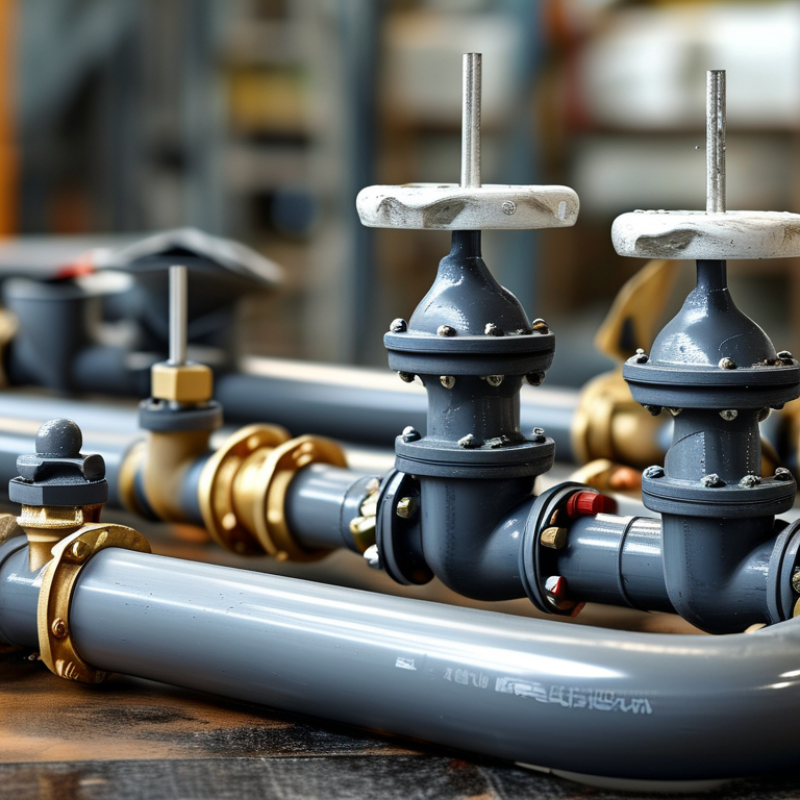
How to Choose the Best CPVC Piping for Your Project?
Choosing the right CPVC piping for your project can be challenging. With various options available, it’s essential to understand their unique benefits. CPVC piping is noted for its strength, durability, and resistance to corrosion.
When selecting CPVC piping, consider your project's specific needs. Factors like temperature, pressure, and application type are crucial. Each project may require different specifications, which can complicate your decision. Additionally, proper installation is vital to ensure longevity, reinforcing the importance of professionalism in your choices.
Awareness of your local code requirements is also necessary. Not every type of CPVC piping meets the same standards. Researching reputable manufacturers can lead you to reliable products. Ultimately, investing time in understanding CPVC piping will pay off, providing a robust solution for your plumbing needs.
Factors Influencing CPVC Piping Selection for Construction Projects
When selecting CPVC piping for construction projects, several factors heavily influence the decision. One key aspect is the temperature range the piping will face. CPVC can handle temperatures up to 200°F, making it suitable for hot water systems. Ensuring that the chosen piping meets this requirement is crucial for system efficiency.
Another significant factor is the pipe diameter. A report by the Plastics Industry Association indicates that correct sizing is vital for optimal flow rates and pressure drop management. Oversized pipes can lead to inefficiencies, while undersized pipes may result in frustrating clogs and increased maintenance requirements.
The wall thickness of CPVC also matters. Thicker walls enhance strength and resistance to pressure spikes, ensuring durability. However, this often results in increased costs and may not be necessary for every application. Balancing these elements requires careful consideration of the project’s specific needs and the environment in which the piping will be operating. Engaging with professionals who understand CPVC specifications can provide insights for this decision-making process.
Understanding CPVC Material Properties and Specifications
When choosing CPVC piping, understanding its material properties is crucial. CPVC, or Chlorinated Polyvinyl Chloride, excels in high-temperature applications. This capability makes it a popular choice for hot and cold water distribution. The flexibility and durability of CPVC fittings lead to easier installations. However, many overlook the importance of proper sizing and thickness. You can face significant challenges if these factors are not well-considered.
Another key aspect is the pressure rating. CPVC pipes come in various grades, suitable for different applications. Not all CPVC is equal; specifications can vary widely among manufacturers. While some pipes offer excellent resistance to chemical corrosion, others may fall short. It's vital to review the technical data sheets before making a choice. Being informed not only enhances your project's success but also mitigates future issues.
However, relying solely on generic specifications can be misleading. Real-world conditions differ from one installation to another. Users often report failures due to thermal expansion. Thus, assessing local climate conditions is necessary in your decision-making. CPVC's resistance to UV light is another factor to consider. Prolonged exposure can weaken the material. Proper storage and handling can prevent this problem. The challenge lies in balancing all these factors to make an informed decision.
Comparison of CPVC vs. Other Plastic Piping Materials in Durability
When comparing CPVC piping to other plastic materials, durability stands out as a crucial factor. CPVC is highly resistant to corrosion and chemical damage, making it ideal for various applications. Unlike PVC, CPVC can handle higher temperatures, which extends its usability in different environments. This resilience can lead to fewer replacements and repairs, ultimately saving costs over time.
One aspect to consider is the installation environment. If you're working in a place with high-temperature fluctuations, CPVC may perform better than other plastic options. However, be aware of potential downsides. If not installed correctly, even durable materials can face issues. Improper fittings or joint failures can compromise the system.
Choosing the right piping involves understanding these nuances. Think about your specific needs and do thorough research. Collaborate with experienced professionals who can offer tailored advice. Keeping these points in mind can make a significant difference in the overall success of your project.
Durability Comparison of CPVC vs Other Plastic Piping Materials
Evaluating Temperature and Pressure Ratings for CPVC Applications
When selecting CPVC piping for your project, evaluating temperature and pressure ratings is crucial. CPVC is known for its ability to handle high temperatures, making it ideal for hot water applications. According to industry data, CPVC can withstand temperatures up to 200°F and pressures of 400 psi at room temperature. This capability is essential for residential and commercial plumbing systems.
However, it is important to recognize limitations. The performance of CPVC can be affected by the surrounding environment. For instance, prolonged exposure to direct sunlight can weaken the pipe's structure. A report by the American Society for Testing and Materials indicates that UV exposure can reduce the lifespan of CPVC if not properly protected. Additionally, high temperatures can impact the pressure rating of the piping. For instance, at elevated temperatures, the maximum pressure rating significantly lowers.
Furthermore, when evaluating CPVC for specific applications, project stakeholders must consider installation procedures. Issues such as improper fittings or poor joint integrity can lead to leaks. These factors can result in costly repairs and unexpected downtimes. An understanding of thermal expansion and contraction is necessary as well, particularly in fluctuating climates. Always consult detailed manufacturer guidelines and applicable industry standards to ensure optimal performance.
How to Choose the Best CPVC Piping for Your Project? - Evaluating Temperature and Pressure Ratings for CPVC Applications
| Application | Temperature Rating (°F) | Pressure Rating (psi) | Pipe Diameter (inches) | CPVC Type |
| Hot Water Distribution | 180 | 400 | 1/2 | Schedule 40 |
| Chemical Processing | 140 | 300 | 3/4 | Schedule 80 |
| Drainage Systems | 160 | 250 | 1 | Schedule 40 |
| Irrigation Systems | 120 | 150 | 1 1/4 | Schedule 40 |
| Fire Sprinkler Systems | 150 | 500 | 2 | Schedule 40 |
Cost Analysis: Long-term Benefits of Using CPVC Piping Systems
When considering CPVC piping systems, cost analysis reveals significant long-term benefits. A study by the Plastic Pipe and Fittings Association indicates that overall savings can reach up to 30% compared to traditional piping materials. This savings mostly stems from lower installation costs and reduced maintenance needs. CPVC pipes resist corrosion and scale buildup, which increases their lifespan and lessens repair expenses.
Moreover, CPVC's thermal efficiency is notable. According to the American Society of Plumbing Engineers, it can maintain temperature effectively, reducing energy consumption for hot water systems. This leads to lower energy bills over time. However, the upfront costs for CPVC may be higher than for materials like PVC. This initial outlay requires careful budget consideration.
Investing in CPVC can seem daunting at first. Yet, its longevity and efficiency mitigate future costs. Many projects underestimate the importance of long-term savings when choosing materials. It's crucial to evaluate not just immediate expenditure but also the lifecycle costs associated with each piping solution. This analysis promotes informed decision-making, aligning with sustainability goals for future projects.