
China Top 2 4 D Herbicide Suppliers for Global Buyers
China is an important source of crop-protection products, and global buyers often compare suppliers before requesting quotations. This guide introduces two 2 4 d herbicide suppliers in China and outlines practical checks for evaluating them. It does not claim that one supplier suits every buyer. The right choice depends on the destination market, intended application, formulation, and local registration status.
A credible supplier should provide clear specifications, a current safety data sheet, and batch-specific quality documents when available. Buyers can also ask about manufacturing capacity, quality controls, packaging options, export experience, and technical support. Details matter. A low price alone says little about consistency or service. Check whether the offered formulation and documentation match your requirements. Confirm that the product is authorized for the intended use in your country. Regulations can differ, and approval in one market does not establish approval in another. Qualified regulatory or import professionals can help clarify requirements.
Before placing an order, ask about sample availability, production lead times, packaging dimensions, and shipment terms. Verify that product names and specifications match across quotations, labels, and supporting documents. Keep written records of responses. These simple steps can expose gaps early, though they cannot guarantee a problem-free transaction. The comparison ahead focuses on information buyers can request and assess, rather than unsupported rankings. Supplier details may change, and public information may be incomplete. That limitation deserves attention. Careful due diligence helps buyers make a more informed decision about quality, compliance, and communication.
Understanding 2,4-D Herbicide and Its Global Uses
2,4-D is a selective herbicide used to control many broadleaf weeds. It works by disrupting plant growth, causing susceptible weeds to develop abnormally and eventually die. Grasses are often less affected at suitable rates, though crop tolerance depends on species, growth stage, and application conditions. The distinction is useful, but easy to oversimplify.
Across different regions, approved uses may include cereal crops, pastures, and managed lawns. Farmers and land managers use it against weeds such as dandelions and some thistles. A field’s weed mix matters. So does the crop stage. Always check the locally authorized product label; permitted uses and instructions vary by country.
Weather and application technique can affect results. Wind may carry fine droplets toward gardens, orchards, or other sensitive plants. Avoid spraying when drift is likely, and follow label directions for protective equipment, mixing, and disposal. Keep records of the treatment area and conditions. Small details count. 2,4-D is not a universal solution, and poor timing can leave weeds untreated or injure nearby plants. Fields rarely behave exactly like a guidebook.
China’s Role in the 2,4-D Supply Chain
China Top 2 4 D Herbicide Suppliers for Global Buyers
China’s Role in the 2,4-D Supply Chain
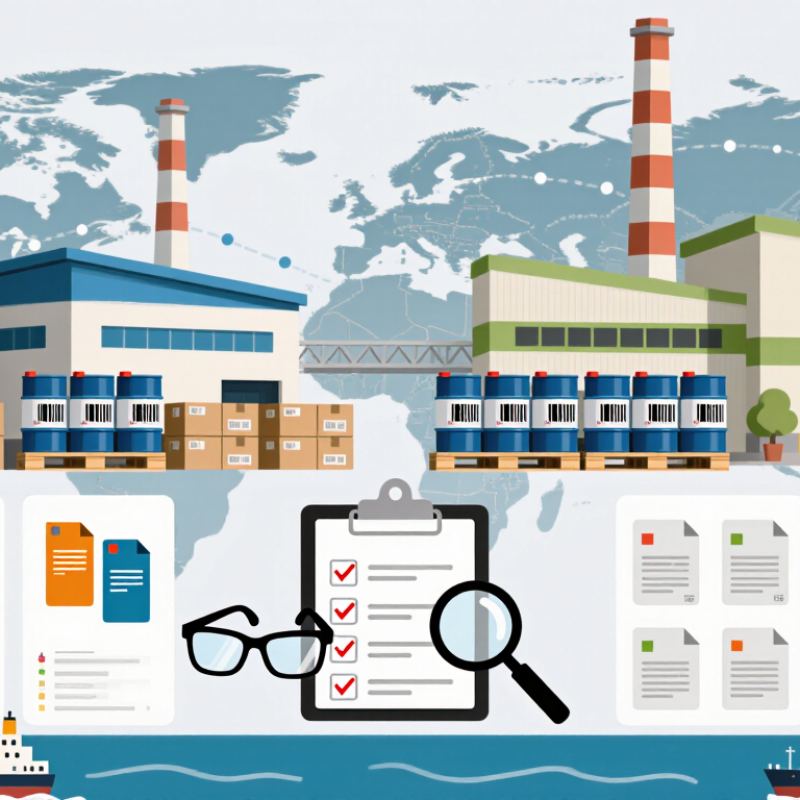
China’s role in the 2,4-D supply chain extends beyond manufacturing. Producers may support active-ingredient processing, formulation, packaging, and export logistics. These stages require consistent raw materials, controlled production conditions, and reliable batch documentation. Buyers should assess each supplier’s actual capabilities rather than assume every exporter makes the product it sells.
Quality can vary between formulations and production lots. Request current specifications, certificates of analysis, and clear information about the manufacturing site. Check that product labels and documentation match the intended market’s registration and import requirements. Independent testing can add confidence, especially when shipments arrive through several logistics partners. It takes extra time. Still, a polished brochure is not proof of stable quality. Supply-chain disruptions, changing input costs, and shipping delays can affect delivery plans, so realistic lead times matter.
Tips: Compare batch records, packaging details, and communication quality before placing an order. Confirm handling and storage instructions on the approved label. One detail is easy to miss: clarify who is responsible for resolving quality concerns after delivery.
China Top 2 4 D Herbicide Suppliers for Global Buyers - China’s Role in the 2,4-D Supply Chain
| Dimension | Supply-chain information | Relevance for global buyers |
|---|---|---|
| Active ingredient | 2,4-D is 2,4-dichlorophenoxyacetic acid, a selective, systemic herbicide in the phenoxy-carboxylic acid group. | Confirm that the product specification identifies the correct active ingredient and applicable chemical form. |
| CAS Registry Number | 2,4-D acid: 94-75-7. | Use the CAS number alongside the product name when checking documents and regulatory records. |
| Molecular data | Molecular formula: C8H6Cl2O3; molecular weight: approximately 221.04 g/mol. | These identifiers help distinguish the acid from salt and ester derivatives. |
| Common supply-chain forms | The market includes technical 2,4-D acid and formulated products made with different 2,4-D forms, including salts and esters. | Compare the declared form, active-ingredient content, formulation type, and intended use rather than relying on the “2,4-D” name alone. |
| Typical supply-chain roles | Technical-material manufacturers produce active ingredient; formulators convert active ingredient into finished formulations; exporters and distributors handle cross-border sales and logistics. A business may perform more than one role. | Ask whether the contracting party manufactures the active ingredient, formulates it, or resells it, and verify each role independently. |
| China’s supply-chain role | China is an important agrochemical manufacturing and export base. The specific scale and export share of 2,4-D can vary by year and data source. | Assess suppliers using current, product-specific evidence instead of assuming that national industry scale establishes an individual supplier’s capacity. |
| Supplier ranking | A verifiable “top two” ranking cannot be established from the product name alone; rankings depend on the year, market definition, and evidence used, such as audited capacity or customs data. | Treat supplier rankings as claims to verify. Request dated evidence and a clearly defined basis for comparison. |
| Quality checks | Review the product specification, batch-specific certificate of analysis, impurity limits, packaging details, and safety data sheet. | Check that the documents match the ordered chemical form, grade, batch, and destination-market requirements. |
| Regulatory and logistics checks | Registration, labeling, import permissions, transport classification, and documentation requirements depend on the destination country and product formulation. | Confirm requirements with the relevant national authorities and qualified logistics providers before shipment. |
Note: This table presents product and sourcing information, not a verified ranking of named suppliers. No company or brand names are included.
Key Products and Capabilities of Chinese Suppliers
Chinese suppliers of 2,4-D herbicides often offer several formulation types, including soluble concentrates and amine-salt products. The right option depends on the target market, registered uses, packaging needs, and local handling requirements. Buyers should confirm that each product is approved for its intended market before placing an order.
Manufacturing capabilities can include formulation blending, batch testing, export packaging, and preparation of technical documents. Ask for a current certificate of analysis, safety data sheet, and clear batch identification. Details matter. A responsive supplier should explain its quality checks and provide consistent specifications across repeat orders. Specifications can look tidy on paper; they do not tell the whole story. Independent testing may still be worthwhile for larger shipments.
Some suppliers focus on flexible packaging and smaller trial orders, while others are better equipped for steady, high-volume production. Compare lead times, minimum order quantities, storage guidance, and document accuracy—not just quoted price. Ask how formulation stability is assessed under expected transport conditions. A missed detail can slow customs clearance or complicate downstream distribution. I would verify claims directly, since supplier brochures rarely show every limitation.
How Global Buyers Can Evaluate Supplier Reliability
China Top 2 4 D Herbicide Suppliers for Global Buyers
How Global Buyers Can Evaluate Supplier Reliability
A competitive quotation is only a starting point. For 2,4-D products, compare batch consistency, impurity controls, formulation stability, and packaging details. Ask for recent batch certificates of analysis, then confirm key results through an independent laboratory where practical. A polished sample is not enough. Check whether the supplier can trace each batch from production records to shipping documents.
FAO’s 2024 report, Pesticides Use and Trade, 1990–2022, estimated global agricultural pesticide use at about 3.7 million tonnes in 2022. That scale makes dependable records and quality controls important, but the figure does not prove any supplier’s performance. Request evidence of documented quality procedures, production capacity, and corrective-action handling. Also review delivery records and ask how delays or product complaints are managed.
Reliability is tested over time. Request references from comparable buyers and verify them directly. Check that labels and technical documents match the product specification and intended destination. No checklist catches everything. I would still question unusually short lead times or vague answers about batch testing; even experienced buyers can miss small inconsistencies when price pressure rises.
China 2,4-D Herbicide Suppliers: How Global Buyers Can Evaluate Reliability
A practical scorecard for comparing suppliers without relying on brand claims.
How to use this chart: These suggested evaluation weights total 100 points; they are a buyer scorecard, not measured supplier-performance data. Check applicable destination-market requirements, request current product specifications and batch documents, and verify claims through audits or independent testing where appropriate.
Export, Quality, and Regulatory Considerations for Buyers
For global buyers comparing China’s top 2,4-D herbicide suppliers, export readiness matters as much as quoted price. Ask for a current product specification, batch-specific certificate of analysis, safety data sheet, and clear packaging details. Check that the declared formulation and concentration match the documents and the requirements of your destination market. A neat label is useful, but it cannot replace verified records.
Tips: Confirm registration requirements before ordering. Check drum seals, batch numbers, and label language against your purchase documents. Keep records.
Quality checks should be practical and repeatable. Request retained-sample procedures and ask how the supplier handles an out-of-specification batch. For shipments, confirm applicable transport classification, export paperwork, and storage conditions with qualified logistics partners. Import rules differ by country and can change; verify them with the relevant authorities or a local compliance professional. Even a complete document pack can contain a mismatch. Review it before the cargo leaves, not after arrival.
Related Posts
-
How to Use 2 4 D Herbicide Effectively in Your Garden?
-
China Best 2 4 D Herbicide for Global Buyers How to Choose?
-

Top 5 Benefits of Using 2 4 D Herbicide for Effective Weed Control in Agriculture
-
Why Is Effective Pesticide Control Essential for Sustainable Agriculture?
-
Top 10 Benefits of Lambda Cyhalothrin for Pest Control and Agriculture
-

Best PGR Fertilizer for Optimal Plant Growth and Health in 2023