Why Are Biologicals Transforming Agriculture for Global Buyers?
The rise of biologicals agriculture is reshaping the farming landscape for global buyers. These innovative products focus on natural inputs for crop protection and soil health. This shift signifies a move away from traditional chemical methods, promoting sustainability and reducing environmental impacts.
Farmers are increasingly turning to biologicals for their efficacy. Many studies show that these products can enhance soil biodiversity and improve crop yields. However, there are challenges. Not all biologicals are universally effective. Results can vary based on local conditions and specific crop types. Thus, understanding how to implement these solutions effectively is crucial.
The transition to biologicals agriculture often requires a cultural shift in farming practices. Educating farmers about these products is essential. Access to reliable data and expert guidance is needed to maximize benefits. Some farmers may feel hesitant due to unfamiliarity, highlighting the importance of ongoing support and research. Overall, the future of agriculture is being redefined through biologicals, yet careful consideration is still necessary.
The Rise of Biologicals in Modern Agriculture
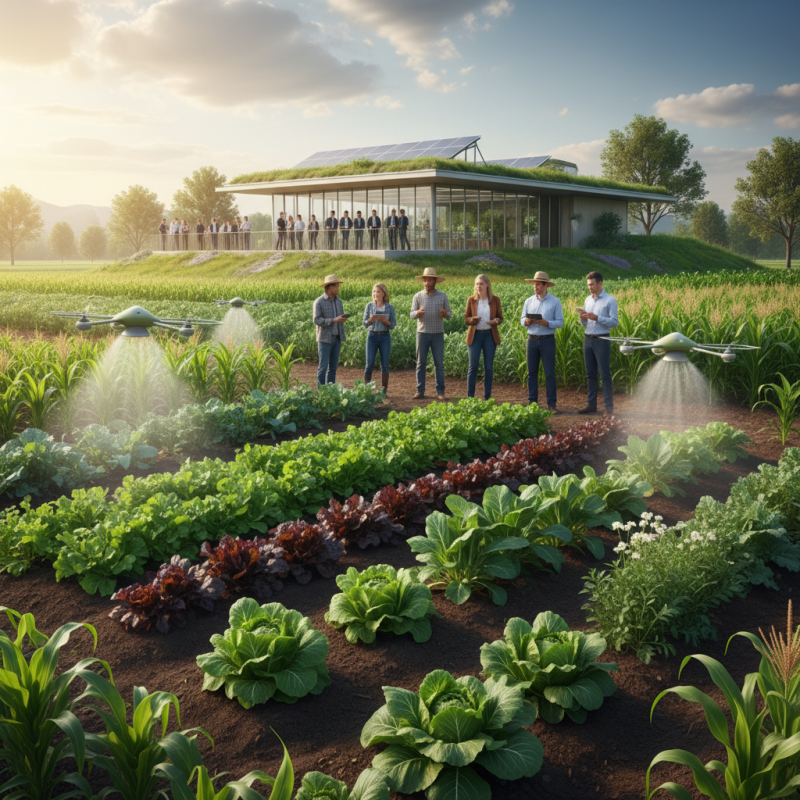
The rise of biologicals in modern agriculture marks a significant shift towards sustainability. Farmers are increasingly adopting these innovative solutions. Biologicals include microorganisms, natural extracts, and biochemicals. They enhance soil health, improve crop resilience, and reduce reliance on synthetic chemicals.
This transformation reflects a growing demand for environmentally friendly practices. Global buyers are seeking produce with fewer chemical residues. Biological products often offer effective pest management while preserving beneficial insects. This approach helps maintain biodiversity in farming systems, a vital aspect of ecosystem health. Increasing awareness of climate change issues highlights the need for sustainable farming.
However, challenges remain. The adoption of biologicals can require new knowledge and practices. Farmers may encounter resistance due to traditional methods still dominant in some regions. Additionally, research on efficacy and shelf life is ongoing. These factors necessitate continuous learning and adaptation in agricultural communities. The path toward integrating biologicals is not always straightforward, but it offers promising potential for the future of agriculture.
Understanding Biologicals: Definitions and Types
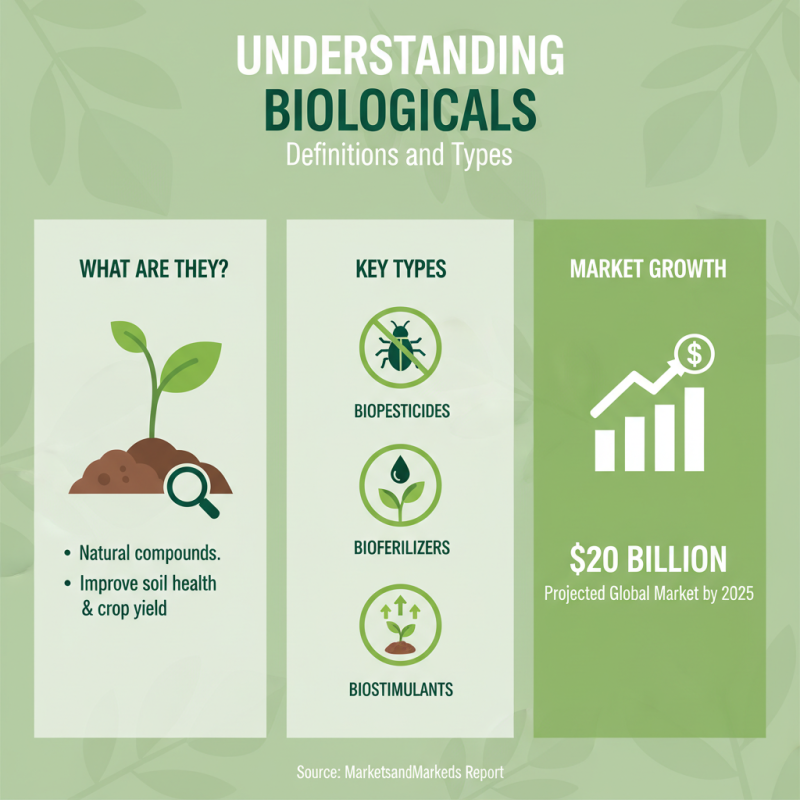
Biologicals, comprised of natural compounds, are reshaping agriculture. These products include biopesticides, biofertilizers, and biostimulants. They help improve soil health and crop productivity. According to a report by MarketsandMarkets, the global biologicals market is projected to reach $20 billion by 2025, reflecting a growing trend among farmers.
Biopesticides reduce dependency on chemical pesticides. They target specific pests without harming beneficial organisms. Biofertilizers enhance nutrient availability, promoting sustainable farming. A study by the Food and Agriculture Organization suggests that biologicals can increase crop yields by 10% to 30%. Yet, the adoption of these products is uneven across regions. Some farmers remain hesitant due to unfamiliarity and varying effectiveness based on soil conditions.
Biostimulants, though promising, require more research for optimal use. Not all farmers apply these solutions correctly, leading to mixed results. Understanding local agricultural systems is crucial for successful implementation. The shift towards biologicals reflects both opportunities and challenges in agriculture. This transformation demands commitment to education and adaptation.
Key Benefits of Biologicals for Global Buyers
Biologicals are reshaping agriculture, offering significant advantages for global buyers. These products enhance soil health, improve crop yield, and reduce dependency on synthetic chemicals. According to a recent report by the Research Institute of Organic Agriculture, biologicals can increase crop yields by up to 20% when integrated into conventional farming practices. This increase is particularly crucial as global food demand continues to rise.
Another notable benefit is the environmental impact. Biologicals promote sustainable farming by improving biodiversity and reducing pollution. A study published in the journal Agronomy found that using bio-based products can lower greenhouse gas emissions from agricultural practices by as much as 30%. However, challenges remain. The adoption rate of biologicals is still lower than expected in many regions, often due to a lack of awareness and education among farmers.
The financial aspect cannot be ignored. Initial costs may deter some growers. Yet, long-term savings on fertilizers and pesticides can make biologicals more economically viable. A 2021 market analysis indicated that biologicals could save farmers approximately $200 per acre annually. As buyers weigh these factors, the transition to biologicals appears both promising and complex, requiring careful consideration and ongoing education.
Impact of Biologicals on Sustainability and Environmental Health
Biologicals are revolutionizing agriculture, offering sustainable solutions that benefit both farmers and the environment. These products enhance soil health, promoting nutrient cycling and fostering a diverse ecosystem. They reduce the reliance on chemical fertilizers and pesticides, which have harmful effects on biodiversity and water quality.
One key aspect of biologicals is their ability to improve crop resilience. For instance, certain microbial inoculants can help plants withstand drought stress. This adaptability is crucial in the face of climate change, where unpredictable weather patterns threaten traditional farming methods. However, there are challenges. Some biologicals may require specific conditions to be effective, and understanding their optimal use is still an evolving field.
The impact on environmental health is notable. Biologicals can lead to reduced soil erosion and decreased runoff of harmful substances into waterways. Yet, it's essential to approach this transition cautiously. Not all biological products are equally effective, and some may not deliver the promised benefits. Ongoing research and farmer education are necessary to ensure responsible adoption of these innovative solutions.
Challenges and Future Perspectives in Agricultural Biologicals
The landscape of agriculture is changing rapidly. Biologicals play a crucial role in this transformation. According to a recent report by MarketsandMarkets, the biologicals market is expected to reach $18.2 billion by 2027, growing at a CAGR of 11.5%. This growth highlights the increasing demand for sustainable farming practices.
Despite the promising rise of biologicals, challenges remain. The effectiveness of these products can vary significantly based on environmental conditions. A 2021 study found that only 30% of farmers report consistent results from biological applications. This inconsistency can hinder adoption rates. Furthermore, regulatory hurdles often slow the approval processes for new biological products, making it harder for growers to access innovative solutions.
Future perspectives in agricultural biologicals are bright but complex. Research is ongoing to enhance the efficacy of these products. According to the Global Innovation Index, investment in research and development for biologicals could significantly improve their reliability. At the same time, producers must navigate a patchwork of regulations that vary by region. Addressing these hurdles requires collaboration among researchers, policymakers, and the agricultural community. Only then can biologicals truly transform global agriculture.
Why Are Biologicals Transforming Agriculture for Global Buyers? - Challenges and Future Perspectives in Agricultural Biologicals
| Dimension |
Current Trends |
Challenges |
Future Perspectives |
| Market Demand |
Growing interest in organic products |
High production costs |
Potential increase in market size |
| Regulatory Landscape |
Stricter regulations for safety |
Complex approval processes |
Harmonization of regulations expected |
| Research & Development |
Increased investment in R&D |
Long development timelines |
Advancements in biotechnologies |
| Consumer Awareness |
Growth in education about biologicals |
Misinformation about efficacy |
Improved public perception |
| Technological Innovation |
Emergence of new biocontrol products |
Need for tailored solutions |
Integration of AI and data analytics |