2026 Top PGR Fertilizer Trends and Innovations for Your Garden?
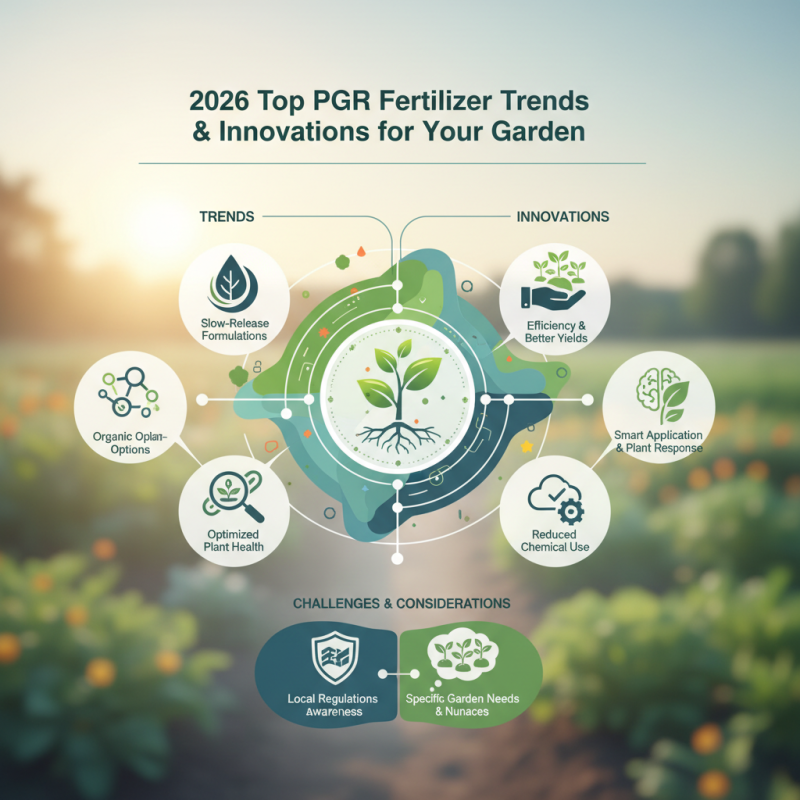
As we look ahead to 2026, the world of gardening is evolving. One notable area is the rise of PGR fertilizer trends. Plant growth regulators (PGRs) are becoming vital in optimizing plant health. These fertilizers can enhance growth while reducing the need for excess chemicals.
In modern gardening, efficiency is key. Efficient use of resources can lead to better yields. Innovations in PGR fertilizers help gardeners achieve this goal. From slow-release formulations to organic options, choices are expanding. However, not all products perform as promised. Some may require adjustments in application rates, and gardeners must be attentive to their plants’ responses.
While the benefits are clear, challenges remain. Awareness of local regulations is crucial. Not all PGRs are suitable for every garden type. Gardeners must reflect on their specific needs. As we explore the trends and innovations of PGR fertilizers, understanding these nuances will be essential for successful gardening in the future.
Emerging PGR Technologies Shaping the Future of Gardening in 2026
Emerging technologies in the plant growth regulator (PGR) sector are transforming gardening practices. By 2026, we expect to see significant advancements in the formulation of PGRs. New biostimulants show promise in enhancing growth efficiency and plant resilience. For example, studies indicate that using microbial-derived PGRs can boost crop yields by up to 25%. These natural alternatives reduce dependency on synthetic chemicals, aligning with eco-friendly gardening trends.
Data from agricultural reports reveal that over 40% of gardeners are turning to integrated PGR solutions. These innovations aim to improve soil health while maximizing growth potential. Investment in genome editing technologies also contributes to this shift. However, questions remain about the long-term effects of these alterations on biodiversity. As we embrace these tools, balancing innovation with ecological integrity is crucial.
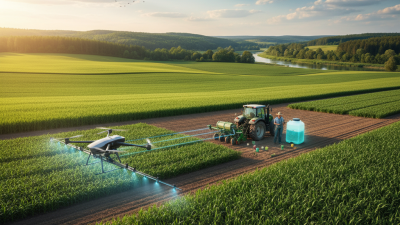
The role of artificial intelligence in monitoring plant health is gaining traction. Predictive analytics can help gardeners apply PGRs more effectively. However, reliance on technology can sometimes lead to overlooking traditional gardening methods. This blending of old and new practices creates a dynamic gardening landscape. Understanding the pros and cons will be essential for gardeners looking to adopt these emerging technologies.
Sustainable Practices in PGR Fertilizer Production for Eco-Friendly Gardens
Sustainable practices in PGR fertilizer production are crucial for eco-friendly gardens. Recent reports indicate that nearly 50% of fertilizer production contributes to greenhouse gas emissions. This alarming statistic prompts a reevaluation of conventional methods. Innovations like biostimulants and organic materials are gaining traction. These alternatives not only nourish plants but also enhance soil health.
Research shows that using bio-based fertilizers can reduce carbon footprints significantly. A study found that organic fertilizers could cut emissions by up to 70% compared to synthetic options. Markets are responding with a rise in demand for environmentally friendly products. However, not all suppliers adhere to eco-conscious methods. This inconsistency can mislead gardeners searching for sustainable options.
Education is vital for eco-conscious gardening. Many consumers are unaware of the environmental impact of chemical fertilizers. Simple practices like composting and using natural additives can make a difference. Engaging in local community programs can also promote awareness. While many innovations exist, there is still room for improvement in production practices. Understanding these challenges is integral for future sustainable gardening efforts.
Innovative Application Methods for Enhanced PGR Fertilizer Efficiency
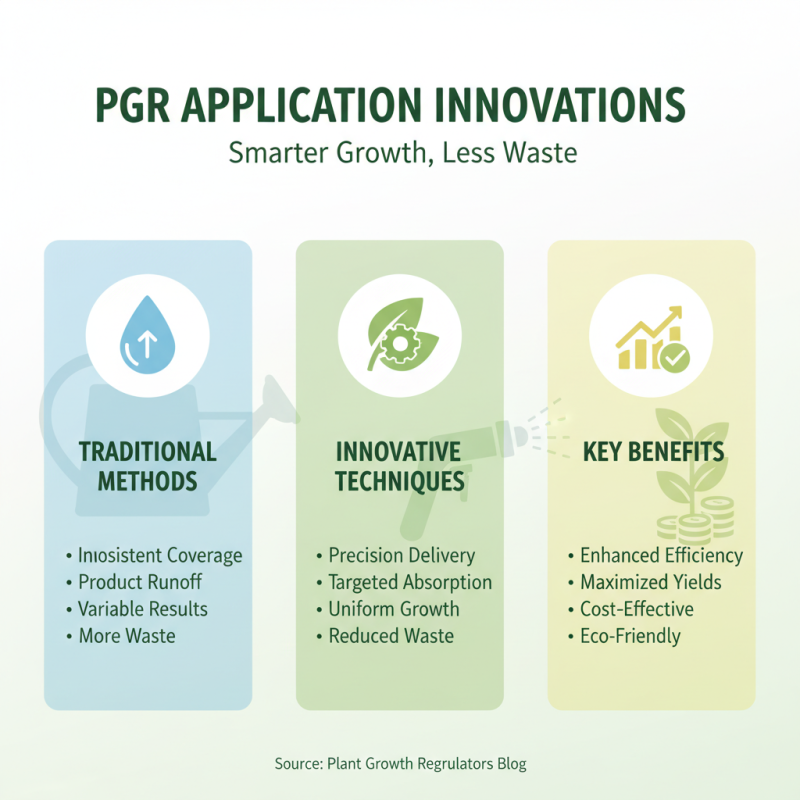
In the realm of plant growth regulators (PGR), innovation is crucial. One of the most exciting areas is application methods. Traditional techniques often yield inconsistent results. Innovations aim to enhance efficiency and reduce waste, allowing gardeners to maximize their efforts.
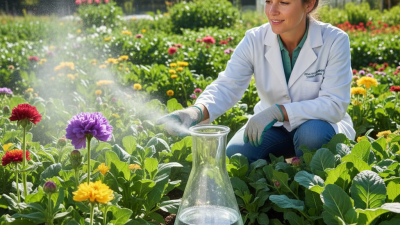
One promising method is foliar spraying. This technique directly targets leaves, ensuring quick absorption. It can be adjusted for different plant species. However, timing is key; mistimed applications can harm rather than help. Another emerging approach is slow-release formulations. These release nutrients gradually. This method can reduce the frequency of applications, but gardeners must monitor moisture levels closely.
Innovative delivery systems, like encapsulation, are also gaining traction. These systems protect nutrients until they reach the plant. While this seems perfect, overuse can lead to nutrient imbalances. Gardeners should test their soil to adapt their usage. Each method offers unique benefits and challenges. Understanding these intricacies can lead to better growth outcomes.
Top Nutrient Sources in PGR Fertilizers for Optimal Plant Growth in 2026
In 2026, PGR (plant growth regulator) fertilizers will focus on sustainable nutrient sources. Organic matter, like compost, will gain popularity. Microbial inoculants can enrich soil health. They help plants absorb nutrients more effectively. These innovations are crucial for boosting yield in both home gardens and commercial farms.
Nutrients such as nitrogen, phosphorus, and potassium will remain essential. However, new blends may contain alternative sources like seaweed extracts. These sources provide trace minerals and enhance plant resilience. It's fascinating how nature can inform these formulations. Still, not all plants respond the same way. Some may thrive, while others might struggle.
Gardening practices will need constant reassessment. Observing plant responses is key. Certain nutrient sources may require more experimentation. A one-size-fits-all approach rarely works in gardening. Monitoring and adjusting will be vital for success. Adapting to these trends could transform your garden into a thriving ecosystem.
2026 Top PGR Fertilizer Trends and Innovations for Your Garden
Future Trends in Consumer Preferences for PGR Fertilizers in Home Gardening
In recent years, home gardening has gained immense popularity. Many homeowners are looking for ways to enhance their gardens. Plant growth regulators (PGRs) are becoming a focal point. Gardeners are now more aware of the impact of these products on plant health. They want options that are both effective and environmentally friendly.
Consumer preferences are shifting. Many gardeners look for organic or natural solutions that promote sustainability. They are less interested in chemicals. They want safe, eco-conscious alternatives. Innovations in formulation allow for more efficient applications. These developments are vital for those seeking healthier gardening practices. However, there is still uncertainty. Not all products are tested thoroughly, and some outcomes remain unpredictable.
Education around PGR use is crucial. It's essential to understand when and how to apply these products. Misuse can lead to unexpected results. Gardeners should share experiences to build a more informed community. This collective knowledge can help refine best practices in home gardening. The future of PGRs might hold even more promises, but careful consideration is needed.
2026 Top PGR Fertilizer Trends and Innovations for Your Garden
| Trend |
Description |
Consumer Preference |
Potential Innovations |
| Organic PGRs |
Increase in demand for plant growth regulators derived from natural sources. |
75% of consumers prefer organic solutions. |
Development of new formulations from bio-based materials. |
| Smart Fertilizer Systems |
Integration of IoT technology for monitoring and delivering PGR nutrients. |
60% of gardeners are interested in smart gardening solutions. |
Sensors that customize PGR applications based on plant needs. |
| Environmental Sustainability |
Growing awareness about sustainable gardening practices. |
85% of consumers want eco-friendly products. |
Innovation in biodegradable PGR formulations. |
| Education and Guidance |
Consumers seeking more information on PGR usage and benefits. |
70% of users want more guidance on product effectiveness. |
Interactive apps offering personalized gardening advice. |
| Customized Fertilizer Solutions |
Tailoring PGRs to specific plant needs based on genetic profiles. |
65% of consumers favor tailored gardening products. |
AI-driven recommendations for optimal PGR application. |