2026 Top Polyaluminum Chloride Types for Water Treatment
Choosing the right coagulant is becoming more demanding as water sources change. Seasonal algae, low temperatures, and industrial pollutants can alter treatment performance within days. The 2026 Top Polyaluminum Chloride Types for Water Treatment guide examines practical options for these conditions.
Polyaluminum chloride grades differ in basicity, aluminum oxide content, physical form, and manufacturing quality. Liquid PAC can simplify dosing and reduce dust exposure. Powdered PAC often offers longer storage flexibility when moisture is controlled. High-basicity grades may perform well in cold water or during heavy organic loading. However, performance depends on raw-water chemistry, mixing energy, alkalinity, and target turbidity. No single grade wins every plant.
That matters.
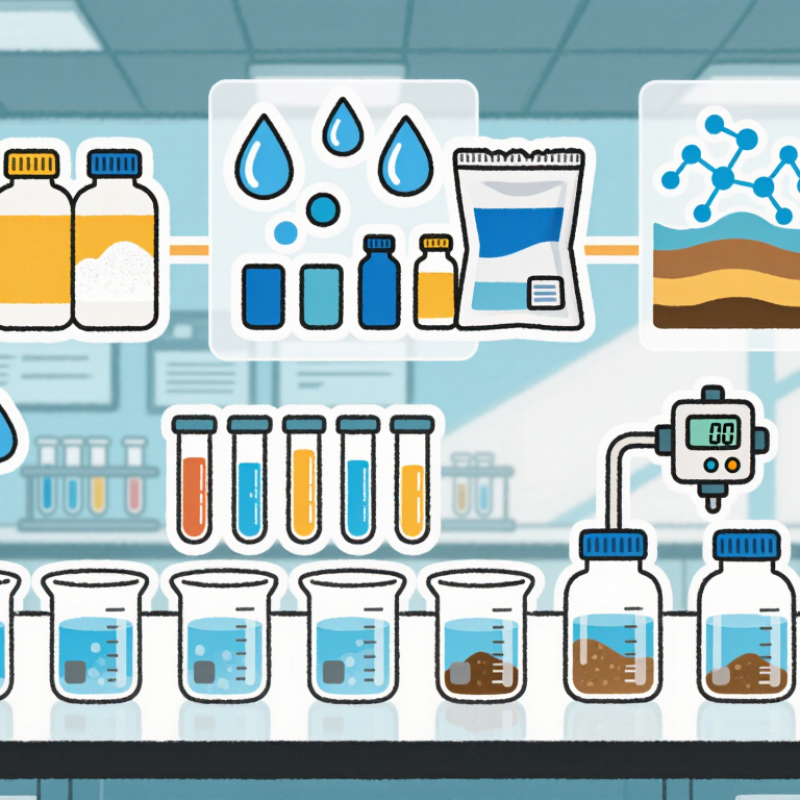
A reliable selection process begins with representative jar testing. Operators should compare dosage, floc size, settling speed, residual aluminum, and final turbidity. A clear beaker is useful, but it cannot replace continuous plant data. Product certificates, batch consistency, safety documentation, and applicable drinking-water standards also deserve careful review. Qualified suppliers should explain test methods rather than promise universal results.
This article uses the keyword Polyaluminum Chloride Water Treatment in a practical context. It focuses on PAC types that support stable clarification, filtration, and sludge management. Some recommendations may require adjustment after field trials. That is not a weakness; water treatment rarely rewards assumptions. A grade that performs efficiently in a municipal plant may underperform in a textile facility or a high-alkalinity source. Careful testing, documented operating experience, and transparent technical advice remain essential for a defensible 2026 purchasing decision.
What Is Polyaluminum Chloride and Why Is It Used in Water Treatment?
2026 Top Polyaluminum Chloride Types for Water Treatment
Polyaluminum chloride (PAC) is a pre-hydrolyzed inorganic coagulant used to remove suspended particles, natural organic matter, and color from water. It contains polymeric aluminum species that neutralize particle charges and help impurities form heavier flocs. These flocs can settle in a clarifier or become trapped during filtration. It is not magic. Compared with conventional aluminum salts, PAC may work across a wider pH range and produce less sludge, but performance depends on water chemistry.
In daily treatment work, operators select PAC by basicity, aluminum content, and physical form. Liquid grades simplify dosing in large plants, while dry grades reduce transport weight and storage volume. The right choice depends on raw-water temperature, alkalinity, turbidity, and organic content. A cold river may need a different dose than a warm reservoir. Dose control matters. Jar testing should compare several doses and mixing speeds before full-scale use. Operators should measure settled turbidity, floc strength, pH, and residual aluminum.
PAC supports drinking water, wastewater, and industrial reuse treatment. It can reduce the load on downstream filters when properly applied. However, overdosing may increase costs, leave excess aluminum, or create fragile flocs. Poor rapid mixing can also waste a suitable product. A clear jar is encouraging, not conclusive. Water quality changes daily, especially after heavy rain. Routine sampling and site-specific testing remain necessary for reliable operation.
How Polyaluminum Chloride Types Differ by Composition and Basicity
Polyaluminum chloride types differ mainly in composition and basicity, not simply in powder or liquid form. Composition describes aluminum oxide, chloride, hydroxyl groups, and sometimes sulfate. Basicity shows how many hydroxyl groups are attached to aluminum. It is commonly calculated as the OH-to-Al ratio, then expressed as a percentage.
Low-basicity PAC often ranges from 10% to 40%. It hydrolyzes quickly and can produce strong charge neutralization in low-turbidity water.
Medium-basicity grades, commonly 40% to 60%, offer a practical balance between coagulation speed and floc strength.
High-basicity PAC may exceed 70%. It usually forms denser flocs and can reduce alkalinity consumption, but overdosing may increase residual aluminum or sludge.
The boundary is not perfectly clean.
The World Health Organization recommends controlling aluminum in treated water near 0.2 mg/L, based largely on treatment performance considerations. Its drinking-water guidance also notes that lower levels may be achievable in well-operated plants.
The U.S. EPA Drinking Water Treatability Database identifies coagulation as a key process for removing turbidity, color, and natural organic matter. These data support careful PAC selection, but they do not replace jar testing.
Raw-water temperature, alkalinity, and organic content can change results within hours. A product that performs well in summer may underperform in cold water. Operators should compare basicity, Al2O3 concentration, insoluble matter, and residual aluminum after testing.
Controls are not glamorous. They prevent expensive surprises.
Which Polyaluminum Chloride Types Suit Drinking Water Treatment?
2026 Top Polyaluminum Chloride Types for Water Treatment
Which Polyaluminum Chloride Types Suit Drinking Water Treatment?
For drinking water, the best polyaluminum chloride type is not simply the highest-basicity grade. Liquid PAC offers quick dosing and consistent mixing, while powdered PAC supports longer storage and easier transport. High-basicity PAC may reduce alkalinity consumption and sludge production, but performance depends on raw-water temperature, turbidity, alkalinity, and organic matter.
Jar testing remains essential. In practical plant work, the same PAC can produce clear water at one site and unstable flocs elsewhere. That weakness is easy to overlook. A 2022 WHO drinking-water guideline notes that aluminum in treated water is commonly controlled near 0.1 mg/L, while 0.2 mg/L is a practical operational value rather than a health-based limit. Therefore, drinking-water PAC should be selected with residual aluminum control in mind.
Suitable products should meet NSF/ANSI/CAN 60 or an equivalent national approval for chemicals used in potable-water treatment. Operators should compare basicity, Al2O3 concentration, insoluble matter, pH, and storage stability. The U.S. EPA Water Treatability Database also emphasizes that coagulation results vary with water chemistry and process conditions. High-basicity liquid PAC may suit low-alkalinity supplies, while standard liquid or powder PAC can fit stable, moderate-turbidity sources. Yet dosage alone is not proof of suitability. A small pilot trial, followed by routine turbidity and aluminum monitoring, provides stronger evidence.
2026 Top Polyaluminum Chloride Types for Water Treatment - Which Polyaluminum Chloride Types Suit Drinking Water Treatment?
Medium- and high-basicity PAC are commonly evaluated for drinking water clarification because they can provide effective coagulation with less pH reduction than low-basicity PAC. The ranges shown are typical technical ranges and may vary by product specification. Drinking-water use must also meet applicable purity, residual aluminum, contaminant, and certification requirements, and should be confirmed through jar testing.
How Industrial-Grade Polyaluminum Chloride Supports Wastewater Treatment
Industrial-grade polyaluminum chloride (PAC) supports wastewater treatment through rapid charge neutralization and floc formation. Its positive aluminum species bind suspended solids, colloids, phosphates, and some organic matter. Powder PAC offers longer storage stability when kept dry. Liquid PAC supports faster dosing and easier automation. High-basicity grades often perform well across broader pH conditions, but results depend on the wastewater.
Operators should compare PAC types through jar testing, not product labels alone. Test samples at realistic temperatures and mixing speeds. Record turbidity, pH, settling time, sludge volume, and residual aluminum.
A useful trial may begin with several doses, such as 20, 40, and 60 milligrams per liter.
Small details matter. Uneven mixing can create false results.
Rapid dispersion should last briefly, followed by gentle flocculation.
In industrial wastewater, PAC can reduce the load on clarification and filtration equipment. It may also improve sludge dewatering when paired with suitable polymer treatment. However, a fixed dose rarely survives changing influent conditions. Rainwater, production shifts, oil residues, and metal ions can alter performance within hours.
One caution deserves attention: more PAC does not always mean cleaner water. Excess dosage may increase sludge, lower pH, or leave unwanted aluminum residuals. Operators should verify results with routine sampling and process records.
The “best” 2026 PAC type is therefore practical rather than universal. It must match the water chemistry, equipment, storage conditions, and discharge requirements. Not every trial looks clean. That is useful data.
How to Select, Handle, and Apply Polyaluminum Chloride Safely
Polyaluminum chloride comes in liquid and powder forms, with different basicity levels and aluminum concentrations. The right type depends on raw-water chemistry, temperature, turbidity, and treatment equipment. A product that performs well in one plant may fail in another.
Use the safety data sheet before opening a container. Wear chemical-resistant gloves, goggles, protective clothing, and suitable footwear. Provide ventilation, especially when handling powder. Keep bags dry and sealed. Store liquid PAC in compatible tanks, away from strong alkalis and materials that may corrode. A clean eyewash station should be nearby. Small leaks can become slippery hazards.
Prepare powder PAC slowly in water, with gentle agitation, and avoid creating dust clouds. Do not pour water into a concentrated chemical container. For liquid PAC, inspect hoses, valves, and dosing pumps before operation. Run a jar test using actual source water, then adjust dosage, mixing speed, and settling time. Monitor pH, turbidity, sludge volume, and residual aluminum. Start with controlled doses rather than copying an old operating sheet. Water chemistry changes after heavy rain, and so does PAC demand. Clear water is not proof of complete treatment. Real plants are less tidy than laboratory tests. I have seen operators overlook aging pumps while chasing minor dosage changes. That choice deserves review.