Top 10 Farm Chemicals You Need to Know for Successful Agriculture?
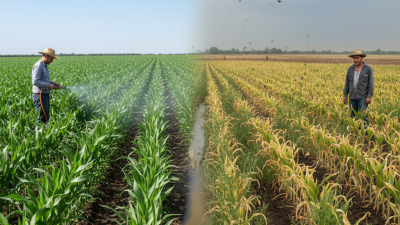
In modern agriculture, understanding farm chemicals is vital for success. According to Dr. Emily Harper, an expert in agricultural chemistry, "Choosing the right farm chemicals can make or break a crop." The right selection can enhance yield and protect against pests. However, missteps can lead to disastrous outcomes.
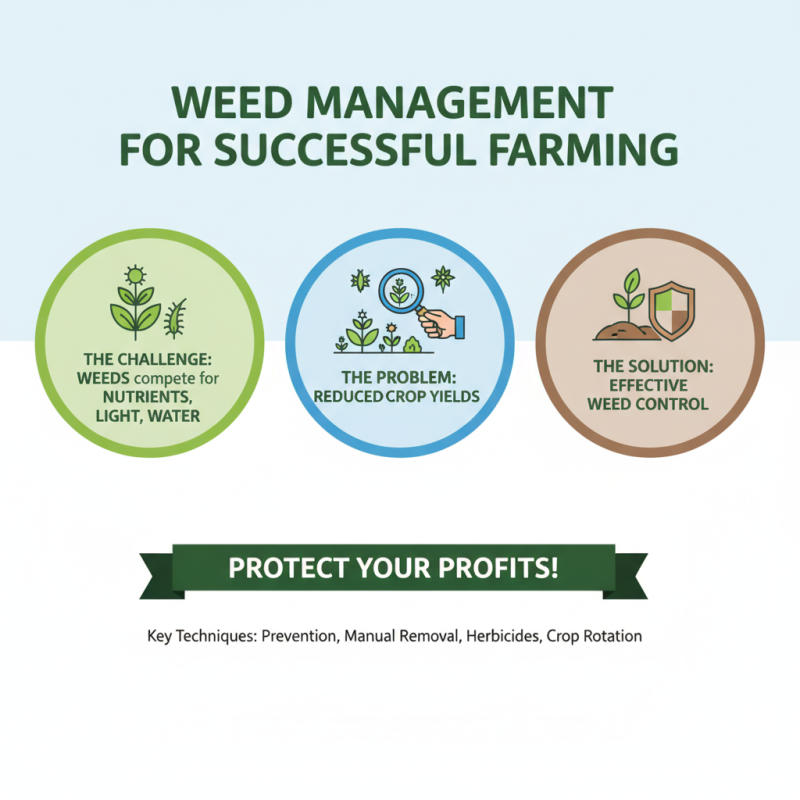
Farm chemicals encompass fertilizers, herbicides, and pesticides, each playing a role in crop production. Fertilizers provide essential nutrients. Herbicides combat weeds, while pesticides protect against insects. Yet, the use of these chemicals requires caution. Over-reliance may harm the environment and reduce soil health.
Farmers must stay informed. Trends and regulations are always changing in the realm of farm chemicals. Decisions can be complex. Research is essential to avoid pitfalls. Balancing productivity with sustainability is a challenge every farmer faces. The journey of understanding farm chemicals is ongoing, and reflection on practices is necessary for improvement.
Essential Nutrients: The Role of Fertilizers in Crop Production
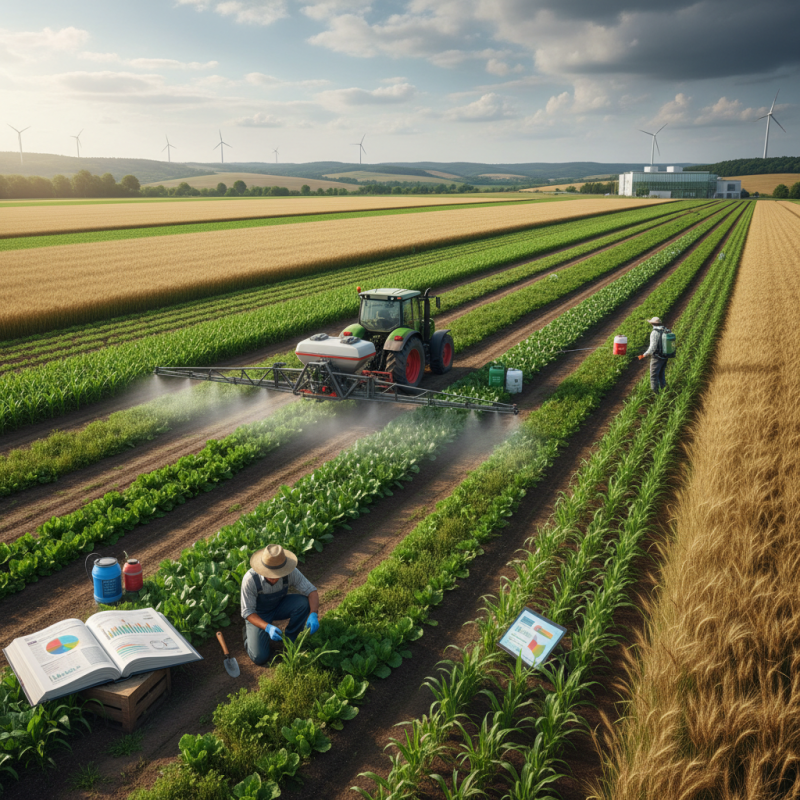
Fertilizers are crucial for successful crop production. They supply essential nutrients that plants need to grow. These nutrients include nitrogen, phosphorus, and potassium. Nitrogen promotes leaf growth, while phosphorus helps roots and flowers. Potassium is vital for overall plant health. Without these elements, crops may struggle to thrive.
Farmers must carefully select fertilizers. Overusing them can lead to soil degradation. Nutrient imbalances can occur, affecting crop yield. Regular soil testing helps identify deficiencies. It allows farmers to apply the right type and amount of fertilizer. Precision in application can minimize waste and environmental impact.
However, not all soil types respond the same way to fertilizers. It's important to observe plant responses. Some may flourish, while others may show stress. Adjustments must be made based on these observations. Understanding the soil’s unique needs can lead to better crop outcomes. Balancing this knowledge with practical experience is key to successful agriculture.
Pesticides: Protecting Crops from Pests and Diseases
Pesticides play a crucial role in modern agriculture. They protect crops from a variety of pests and diseases that can devastate yields. Farmers face tough challenges each growing season. Insects, weeds, and fungi can all threaten the health of plants. Without effective pesticide use, crops may fail, leading to loss of income and food supply.
Selecting the right pesticide is not easy. Each pest requires a specific approach. Some pesticides target insects directly, while others focus on fungal diseases. The timing of application matters too. Spraying at the wrong time can lead to reduced effectiveness. There’s also the risk of harming beneficial insects. Farmers must carefully weigh these options.
Overuse of pesticides can lead to resistance. This complicates future pest management efforts. It’s essential to monitor pest populations regularly. Balancing chemical use with integrated pest management strategies is vital. Knowledge and continuous learning in pest control can promote sustainable practices. Collaboration with local extension services can provide significant insights. Pesticide use is a powerful tool, but its application needs thoughtful consideration.
Top 10 Farm Chemicals You Need to Know for Successful Agriculture
| Chemical Type |
Use |
Application Method |
Target Pests/Diseases |
Frequency of Application |
| Herbicides |
Weed Control |
Spraying |
Annual Weeds |
Every 4-6 weeks |
| Insecticides |
Insect Control |
Aerial Spraying |
Aphids, Beetles |
As needed |
| Fungicides |
Fungal Disease Control |
Soil Drench |
Powdery Mildew |
Every 2 weeks |
| Nematicides |
Nematode Control |
Soil Application |
Root Knot Nematodes |
Once per season |
| Growth Regulators |
Enhance Growth |
Foliar Spray |
Various Crops |
As needed |
| Microbial Pesticides |
Natural Pest Control |
Soil Mix |
Various Pests |
Every 3 weeks |
| Rodenticides |
Rodent Control |
Bait Stations |
Mice, Rats |
Monthly |
| Surfactants |
Improve Chemical Efficacy |
Mixed with Sprays |
Varies |
As needed |
| Biopesticides |
Pest Control with Natural Compounds |
Direct Application |
Insects, Fungi |
Every 2-4 weeks |
| Plant Nutrients |
Enhance Crop Growth |
Granular or Liquid |
Macronutrients and Micronutrients |
Based on Soil Test Results |
Growth Regulators: Enhancing Plant Development and Yield
Growth regulators play a crucial role in modern agriculture. These chemicals enhance plant development by influencing various physiological processes. For example, they can promote cell division and elongation. This helps plants grow taller and stronger.
Using growth regulators can increase crop yields significantly. They can also improve fruit quality and size. However, it’s essential to apply them carefully. Over-application can lead to undesirable effects, like stunted growth or irregular fruit development. Farmers need to monitor and adjust their use to achieve the best results.
Another aspect to consider is the timing of application. Applying growth regulators at the wrong stage can hinder plant growth. Each crop species has its own needs and responses. Therefore, understanding these nuances is essential for success. It requires ongoing research and experimentation. The journey to mastering growth regulators is complex but rewarding.
Top 10 Farm Chemicals: Growth Regulators and Their Impact on Plant Development
This bar chart illustrates the impact of different growth regulators on crop yield as a percentage. Understanding these chemicals can enhance plant development and promote successful agricultural practices.
Soil Conditioners: Improving Soil Health for Sustainable Agriculture
Soil health is vital for sustainable agriculture.
Using soil conditioners can significantly enhance this aspect. These substances improve the soil structure,
increasing aeration and water retention.
Many farmers overlook soil conditioners, thinking they are unnecessary.
However, addressing soil health often yields better crop productivity.
Adding __organic matter__ or nutrients can fortify soil. For instance, compost enriches the soil and supports microbial life.
Healthy soil leads to thriving plants, which ultimately means higher yields.
Yet, not all soil types benefit equally. Some farmers may find that their soil requires specific conditioners,
and trial and error can be frustrating. Understanding your soil's unique needs is crucial.
The application of conditioners is critical, but it is not a one-time solution.
Regular assessment and adjustment are necessary. Many may forget to monitor their soil condition after applying treatments.
This oversight can lead to stagnant or declining productivity.
A proactive approach is necessary to maintain soil health over time.
It’s a learning journey with continuous improvement.