Top 5 Benefits of Pyroxasulfone Herbicide for Effective Weed Control?
Weeds can pose significant challenges for farmers and gardeners alike. Effective management is crucial for maintaining healthy crops. One solution gaining attention is the pyroxasulfone herbicide. This herbicide has shown substantial benefits in controlling various weed species.
The use of pyroxasulfone herbicide leads to reduced competition for nutrients and water. It targets small-seeded broadleaf and grass weeds that are often difficult to manage. Farmers appreciate its long-lasting residual effects. However, some may find its application method complex.
Moreover, there are concerns about potential resistance. Understanding how to use pyroxasulfone herbicide effectively requires careful planning. It's essential to combine it with other weed management practices. With proper use, the benefits can significantly improve crop yields and quality.
Overview of Pyroxasulfone Herbicide and Its Uses
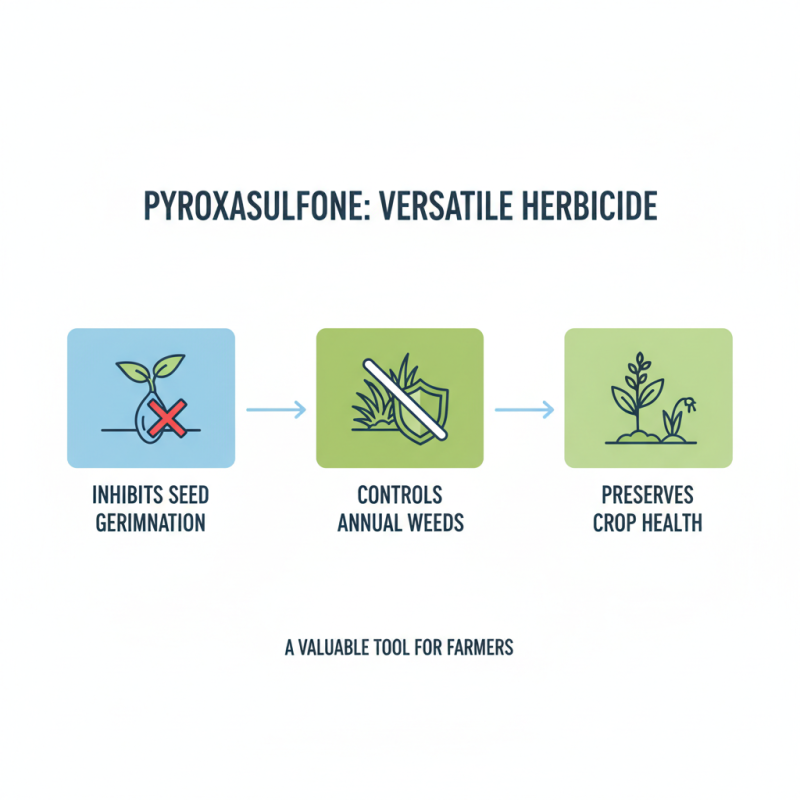
Pyroxasulfone is a versatile herbicide. It is particularly effective in controlling various annual weeds. This makes it a valuable tool for many farmers. The herbicide works by inhibiting seed germination. It targets the specific metabolic processes that weeds rely on. This selective action helps preserve crop health.
Farmers often use pyroxasulfone in diverse agricultural settings. Its application can be found in both pre-emergent and early post-emergent stages. The timing of application is crucial. Incorrect timing can lead to ineffective control. Some users may struggle with understanding the best application techniques. Awareness of local weed pressures also plays a significant role.
One of the unique features of pyroxasulfone is its persistence in the soil. This characteristic can provide long-lasting weed control. However, this does raise concerns about soil health over time. Continuous use may lead to buildup in certain areas. Farmers need to be mindful of their application practices. Balancing effective weed control with sustainability is important.
Mechanism of Action: How Pyroxasulfone Targets Weeds Effectively
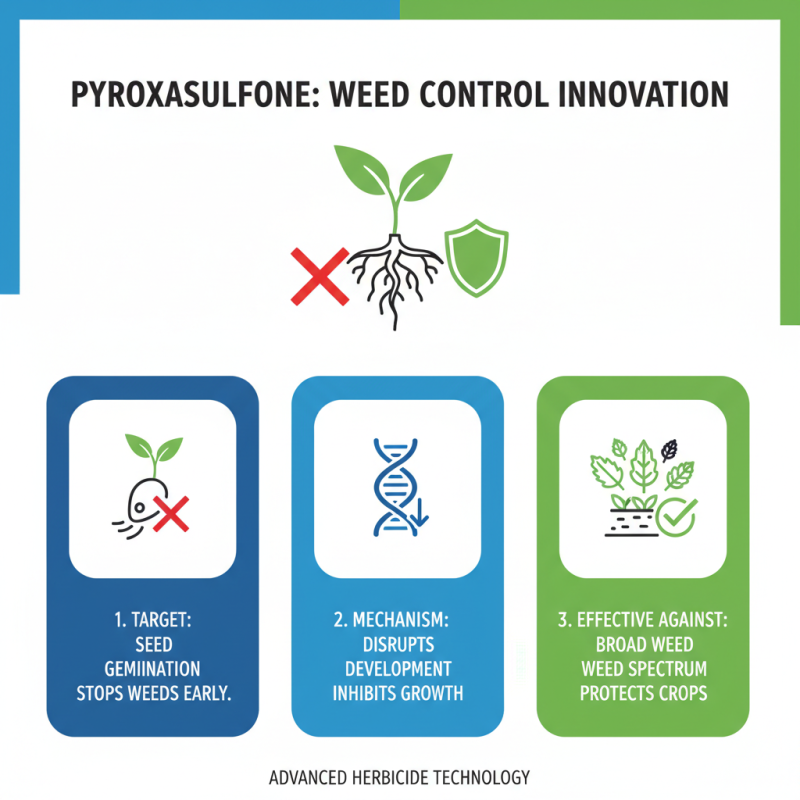
Pyroxasulfone is gaining attention for its effective weed control properties. Its mechanism of action is fascinating. This herbicide targets weeds by inhibiting seed germination. It affects the growth of various weed species, disrupting their development right from the start.
When applied to the soil, Pyroxasulfone quickly binds to the soil particles. It reduces the chances of weed seeds germinating. This leads to a cleaner, healthier crop environment. Farmers who use Pyroxasulfone report fewer weeds competing for nutrients and water. This herbicide is not without controversy. Some argue about its environmental impact. Ongoing research is needed to address these concerns.
Additionally, Pyroxasulfone is effective against a wide range of weeds. It shows promise in managing stubborn species that others struggle with. However, overreliance could lead to resistance issues. Farmers must follow application guidelines carefully. Though it is effective, continuous monitoring is essential to ensure long-term success in weed management.
Key Benefits of Using Pyroxasulfone for Crop Protection
Pyroxasulfone is gaining attention in agriculture for its effective herbicidal properties. This herbicide remains effective against a wide range of weed species, which is crucial for crop health. In a study published by the Agronomy Journal, it was found that pyroxasulfone can reduce weed biomass by up to 85% in various field tests. This significant reduction leads to better crop yield and quality.
Farmers using pyroxasulfone have reported increased efficiency. According to the Weed Science Society, proper application timing can enhance its effectiveness. Moist conditions seem to boost its performance, but over-reliance on any herbicide can lead to resistance. While pyroxasulfone shows promising results, it isn’t without limitations. The need for integrated weed management strategies remains vital.
Another advantage of pyroxasulfone is its longer residual activity. It can control weeds for extended periods, allowing farmers to focus on other tasks. However, awareness of environmental impacts is essential. Use needs careful consideration to avoid harming non-target species. Continuous monitoring and adaptive strategies are necessary to ensure sustainable usage.
Top 5 Benefits of Pyroxasulfone Herbicide for Effective Weed Control
Environmental Impact and Sustainability of Pyroxasulfone
Pyroxasulfone herbicide offers a promising solution for effective weed control while addressing environmental concerns. Its low toxicity to non-target organisms makes it a preferable choice for sustainable agriculture. Research indicates that pyroxasulfone breaks down quickly in soil, reducing the risk of accumulation in water resources. This attribute aligns with the need for maintaining ecosystem health.
However, the application of pyroxasulfone is not without scrutiny. Some studies suggest potential impacts on soil biodiversity. Robust data shows that certain beneficial microbes may be affected, highlighting the need for careful monitoring. Farmers can adopt integrated pest management practices to mitigate these risks while harnessing the benefits of pyroxasulfone.
Sustainability also involves understanding the herbicide's long-term effects. According to industry surveys, over 70% of farmers express concern about chemical reliance. Balancing efficacy with ecological responsibility is vital. Continued research is necessary to evaluate the broader environmental implications while maximizing weed control efficiency. Together, we can develop strategies that promote both agricultural productivity and a healthier planet.
Comparative Analysis: Pyroxasulfone vs. Other Herbicides
When comparing pyroxasulfone to other herbicides, its unique properties shine through. It offers long-lasting weed control. This is crucial for farmers dealing with persistent weed issues. Unlike some alternatives, pyroxasulfone acts effectively in soil, targeting germinating seeds before they can establish roots. This pre-emergent action sets it apart in the herbicide market.
Tips: Make sure to apply it at the right time. Timing can greatly affect its performance. Consider soil moisture levels before application. This can help enhance its effectiveness against stubborn weeds.
Other herbicides may require multiple applications. This means increased costs and labor. Pyroxasulfone reduces the frequency of applications, saving time and effort. However, it is not without its challenges. Proper management is essential to prevent issues like resistance development. Farmers need to stay informed about their weed populations and rotate their herbicide use.
Tips: Diversifying herbicide choices can mitigate resistance risks. Regularly scouting fields can also guide application strategies. Staying proactive is key to achieving sustainable weed control.