Top 5 Tips for Choosing Corteva Fungicides Effectively?
Choosing the right Corteva fungicides is crucial for effective crop protection. Farmers and agricultural professionals must navigate various options to ensure successful yields. The right fungicide can prevent diseases, enhance plant health, and ultimately maximize profitability.
When selecting Corteva fungicides, it’s essential to consider specific crop needs and local environmental conditions. Different formulations may work better in certain climates or soil types. Being well-informed about these factors can lead to better disease management and improved crop performance.
Many growers rely on valuable experiences and expert recommendations. However, each situation may present unique challenges that require careful thought. It's vital to remain open-minded and adaptable. Continuous learning and assessment of choices can enhance your effectiveness in selecting Corteva fungicides.
Understanding the Importance of Fungicide Selection for Crop Health
Choosing the right fungicide is crucial for maintaining crop health. Fungicides play a vital role in controlling fungal diseases that can devastate yields. According to a report from the Plant Health Institute, effective fungicide application can improve crop yields by up to 30%. This statistic underscores the importance of selecting the right products based on specific crop and environmental conditions.
Farmers often face challenges when choosing fungicides. Not all products are effective against every pathogen. The Environmental Protection Agency (EPA) has classified over 200 fungicides; each has unique modes of action and efficacy. Knowing the specific diseases impacting crops and understanding the lifecycle of those pathogens is essential. Misapplication or misunderstanding can lead to ineffective treatment and waste of resources.
Furthermore, resistance management is a pressing concern. Overuse of certain fungicides can lead to resistance in pathogens, reducing long-term effectiveness. Research indicates that rotating fungicides can help mitigate this problem. Thus, evaluating the local disease pressure and previous applications is critical. A considered approach, informed by relevant data, enhances not only crop health but also farm sustainability.
Top 5 Tips for Choosing Fungicides Effectively
| Tip | Description | Key Benefit |
|---|---|---|
| Understand Crop Disease | Identify specific diseases affecting your crops to select the appropriate fungicide. | Targeted protection leading to better crop health. |
| Evaluate Environmental Impact | Choose fungicides with minimal environmental risks to protect pollinators and soil health. | Sustainable farming practices. |
| Consider Resistance Management | Implement fungicides that reduce the risk of pathogen resistance. | Long-term efficacy of fungicide treatments. |
| Assess Application Timing | Determine the optimal timing for application to maximize effectiveness against disease. | Improved control over disease outbreaks. |
| Consult with Agronomy Experts | Seek advice from agronomists to select the best products based on current conditions. | Informed decisions leading to healthier crops. |
Key Factors to Consider When Choosing Corteva Fungicides
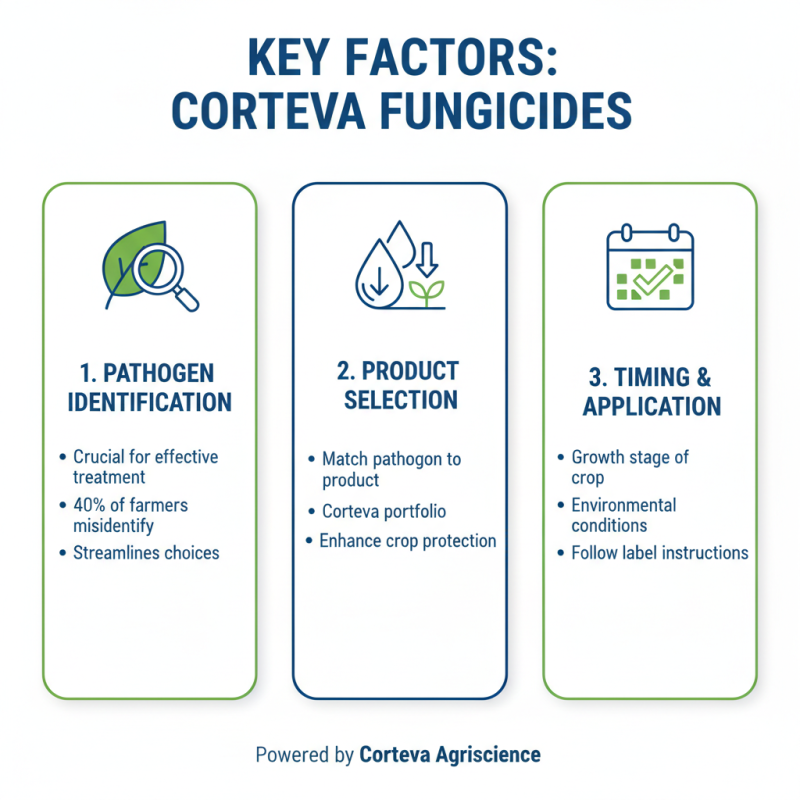
When selecting fungicides from leading manufacturers, several key factors come into play. Understanding the specific pathogen you are dealing with is crucial. A recent industry report noted that 40% of farmers misidentify their pathogens, which can lead to ineffective treatments. Proper identification can streamline your choices and enhance your crop protection strategy.
Another important factor is environmental impact. Products with lower toxicity levels and reduced environmental footprint are increasingly favored. Research shows that 70% of consumers prefer sustainable options. This shift influences manufacturers to invest in safer formulations. Evaluating labels for toxicity and environmental safety can help you make informed choices.
Lastly, consider application methods and timing. Application efficacy can vary based on weather conditions and crop stages. Studies reveal that 55% of growers are unaware of optimal application windows. Knowledge of these factors can improve efficacy and reduce waste. Choosing the right fungicide requires both research and reflection on past experiences. Recognizing previous mistakes can provide insights into better decision-making in the future.
Analyzing the Specific Fungal Diseases Targeted by Corteva Products
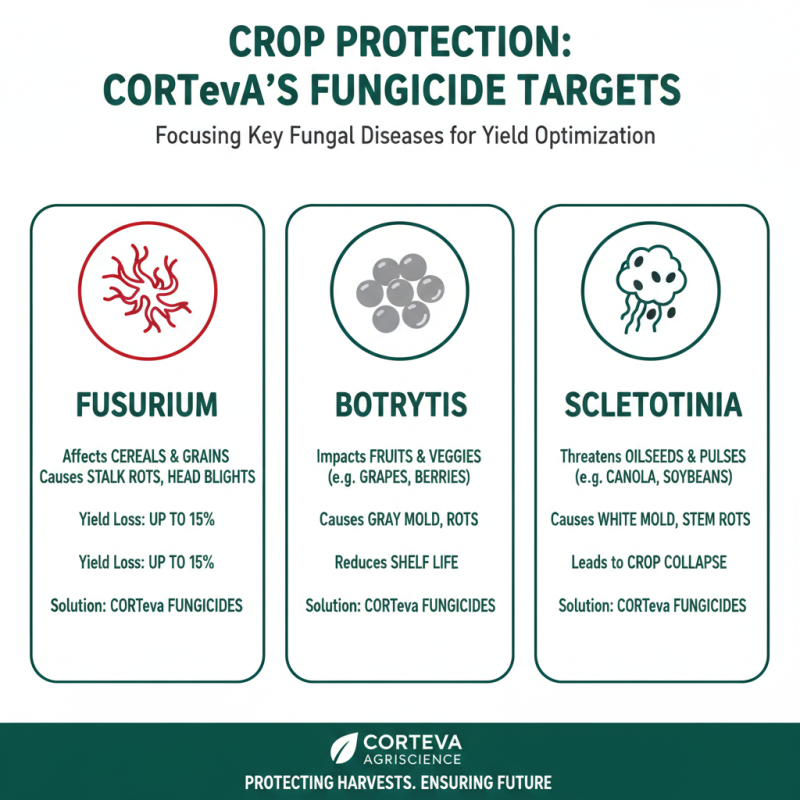
When selecting fungicides, understanding the specific fungal diseases they target is critical. Corteva's products often address key issues such as Fusarium, Botrytis, and Sclerotinia. For instance, Fusarium can severely affect crops, reducing yields by up to 15%. Effective management starts with identifying these threats.
Tip: Always assess your local disease pressures. Conduct soil tests to identify prevalent fungi. Knowledge of local conditions ensures better fungicide selection.
Botrytis, often found in high humidity, can also devastate crops. This disease thrives in conditions where moisture levels exceed 85%. Using a fungicide that targets Botrytis can reduce crop loss significantly. Keep a record of past infections to predict future risks.
Tip: Rotate your fungicide classes to prevent resistance. Applied correctly, it maintains the effectiveness of active ingredients.
Understanding the nuances of each disease will lead to better outcomes. Recognizing that not all fungicides work equally against every pathogen can save time and money. Each application should be backed by sound data and experience.
Evaluating Environmental Impact and Safety of Fungicide Use
When choosing fungicides, evaluating the environmental impact and safety is crucial. Different fungicides affect ecosystems in various ways. Some may harm beneficial insects or aquatic life. Understanding the active ingredients can help in selecting safer options.
It's essential to consider application methods as well. Some practices may reduce run-off into water sources. This can minimize negative impacts on nearby plants and animals. Research shows repeated use of certain products can lead to resistance. This not only affects the fungicide's effectiveness but also the overall health of the environment.
Evaluating local regulations and guidelines can provide useful insights. These often reflect the latest research on environmental safety. Staying informed helps ensure that the chosen fungicide promotes plant health without compromising ecological integrity. This ongoing observation fosters responsible usage and encourages sustainable practices in agriculture.
Maximizing Effectiveness: Application Timing and Methods for Corteva Fungicides
Choosing the right time to apply fungicides is crucial for achieving optimal results. Research indicates that application during the early stages of disease development significantly enhances the efficacy of treatment. Data shows that fungicides used preventively can reduce disease severity by up to 60%. Monitoring environmental factors, such as humidity and temperature, can help determine the best application window. Target application after rainfall can also lead to greater absorption.
Proper application methods play a vital role in maximizing effectiveness. Using equipment that ensures even coverage can make a significant difference. Studies reveal that inadequate coverage is one of the leading reasons for fungicide failure. Aim for solutions that offer precise spray patterns. Additionally, timing applications early in the morning or late afternoon can minimize evaporation loss.
When using fungicides, always adhere to manufacturer guidelines for dosage and frequency. Over-application not only wastes resources but can also lead to resistance. Keeping a record of application history helps in refining future practices. It's essential to review outcomes regularly, as what worked this year may not yield the same results next season. Balancing methodology with ongoing assessment can significantly enhance overall crop health.
Related Posts
-
How to Choose the Best Fungicides for Crop Protection in 2025
-
Top Strategies for Effective Crop Protection in Modern Agriculture
-
Top 10 Corteva Chemicals for Sustainable Agriculture Practices
-
Why Are Agricultural Chemicals Essential for Modern Farming?
-
Top 10 Uses of Tebuconazole Fungicide: Benefits and Application Guide
-

2026 Top PGR Fertilizer Trends and Innovations for Your Garden?