What is thiamethoxam insecticide and how does it work?
Thiamethoxam insecticide has garnered attention in agricultural circles. According to Dr. James Carter, a leading entomologist, "Thiamethoxam targets specific pests while minimizing impact on beneficial insects." This statement highlights its potential benefits and challenges.
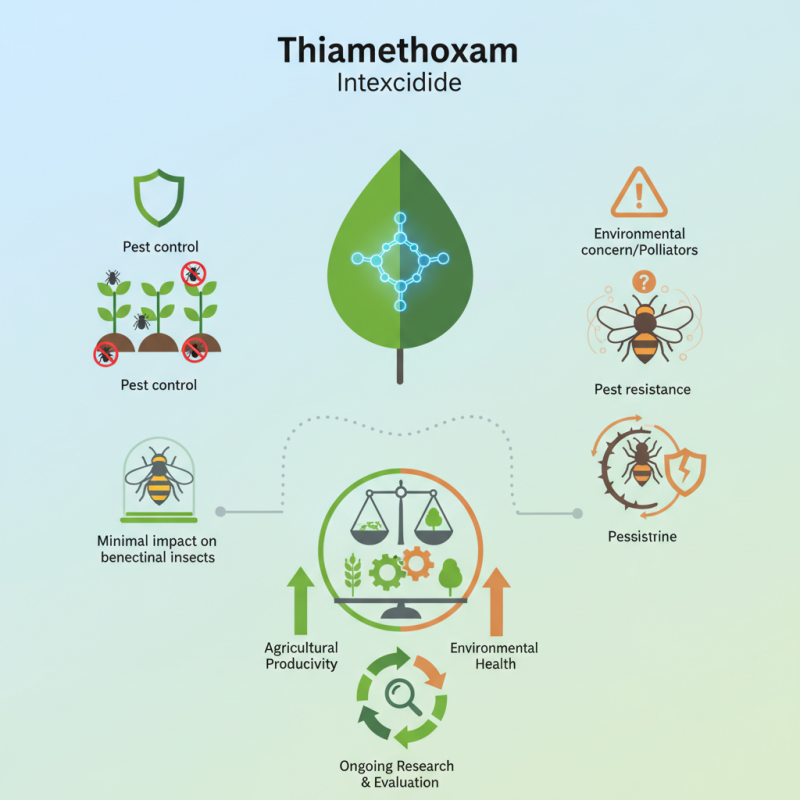
Thiamethoxam insecticide is a neonicotinoid, designed to disrupt the nerve signals of insects. It effectively controls a variety of pests that threaten crop yields. However, its use is not without controversy. Concerns about its environmental impact, particularly on pollinators, are significant. The balance between effective pest control and ecological safety is a critical conversation in this industry.
Farmers rely on thiamethoxam for its rapid action, but this reliance may lead to resistance in pests. This issue calls for ongoing research and reflection. Continuous evaluation of thiamethoxam insecticide’s role is essential for sustainable agriculture. Striking a balance is vital for both agricultural productivity and environmental health.
What is Thiamethoxam? Overview of the Insecticide
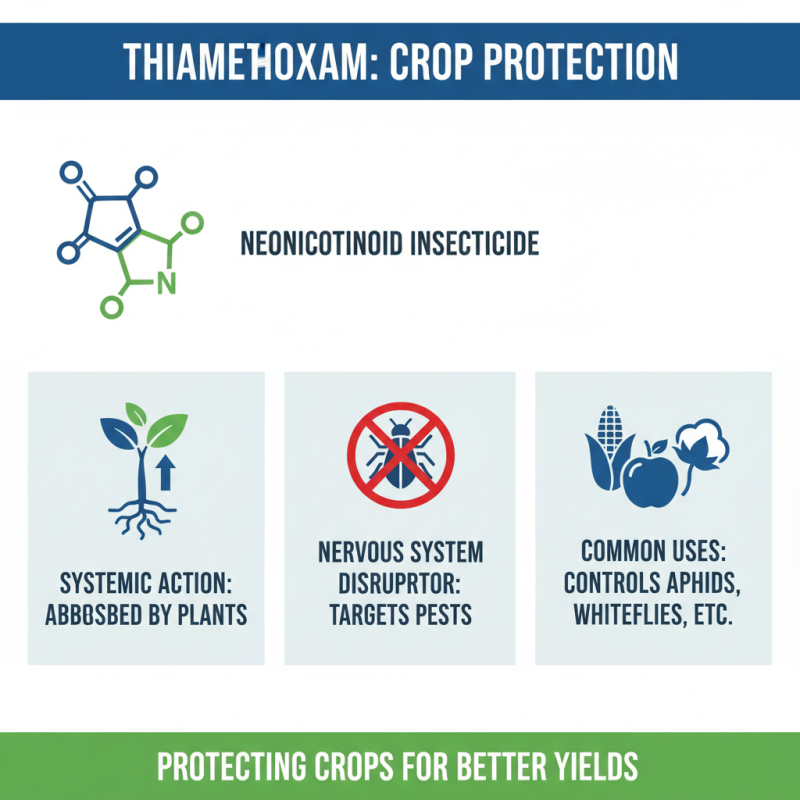
Thiamethoxam is a systemic insecticide widely used in agriculture. It belongs to a class of chemicals known as neonicotinoids. This group mimics nicotine's effects on insects, affecting their nervous system. Farmers commonly apply thiamethoxam to control pests that threaten crops. Its application can effectively target aphids, whiteflies, and other harmful insects.
One of the key details about thiamethoxam is its mode of action. When insects ingest it, the chemical binds to specific receptors in their nervous system. This binding disrupts synaptic transmission. The result? Insects become paralyzed and eventually die. But not all effects are positive. Some argue that reliance on such chemicals can lead to resistance, making pests harder to control over time.
The environmental impact of thiamethoxam is also a concern. It can affect non-target species, including beneficial insects like bees. Studies have shown that this insecticide can harm pollinators, raising questions about its long-term use. These challenges highlight the need for careful application and consideration of alternative pest management strategies.
Chemical Structure and Properties of Thiamethoxam
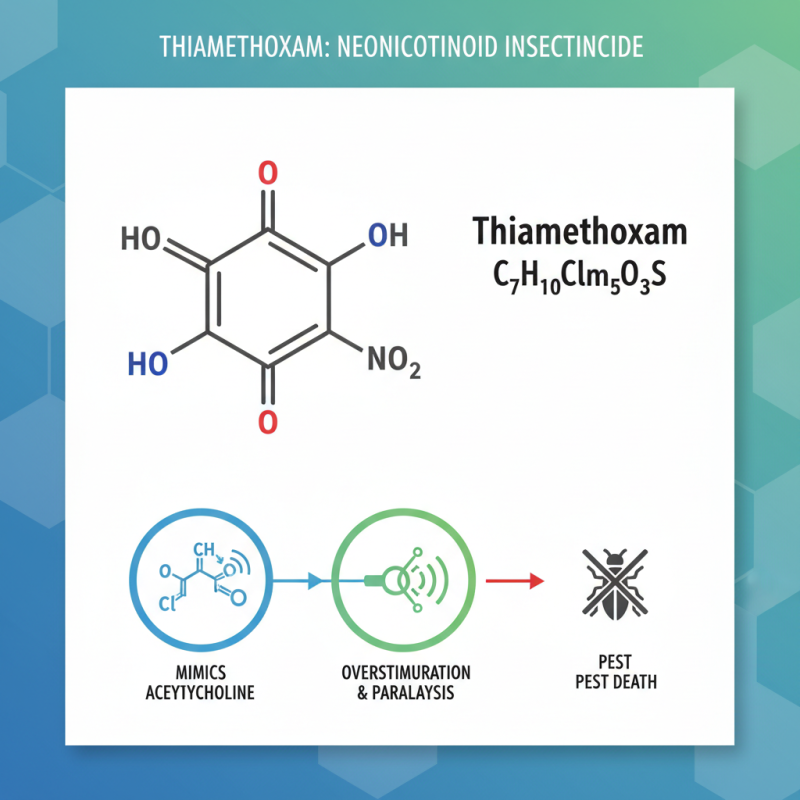
Thiamethoxam is a neonicotinoid insecticide known for its unique chemical structure. Its molecular formula is C7H10ClN5O3S, which highlights its nitrogen and sulfur components. This structure allows thiamethoxam to interact effectively with insect nervous systems. It mimics acetylcholine, leading to overstimulation. This mechanism disrupts vital functions in pests, ultimately resulting in their death.
The crystalline form of thiamethoxam is often white or off-white. Its solubility in water is quite high, marking it as desirable for agricultural applications. However, it's essential to understand that its effectiveness can vary depending on environmental conditions. For instance, factors like pH and temperature play significant roles in its performance. When temperatures fluctuate, the stability of thiamethoxam may be compromised.
While thiamethoxam has shown effectiveness against many pests, concerns about its environmental impact exist. Some studies suggest it may harm beneficial insects, like bees. Alongside this, its persistence in soil can create challenges for ecosystems. Reflecting on its use triggers critical discussions in sustainable agriculture. Balancing pest control with ecological health remains a complex issue.
Mechanism of Action: How Thiamethoxam Affects Insect Nervous Systems
Thiamethoxam is a systemic insecticide belonging to the neonicotinoid class. It targets the insect nervous system effectively. This compound binds to nicotinic acetylcholine receptors, disrupting normal communication between nerve cells. The result? Insects suffer paralysis and death.
When thiamethoxam enters an insect's body, it acts quickly. It mimics acetylcholine, a critical neurotransmitter. This action overstimulates the nervous system. Insects lose control over their movements. They may twitch or become inactive. Eventually, this leads to their demise.
The rapid action of thiamethoxam raises concerns. Its effectiveness against pests is clear. Yet, its impact on non-target species is debated. Some studies indicate potential harm to beneficial insects. The balance between pest control and ecological health needs careful consideration. The long-term effects of such chemicals must be a focus of research. Their role in the environment is complex and requires more attention.
What is Thiamethoxam Insecticide and How Does It Work?
| Aspect |
Description |
| Chemical Class |
Neonicotinoids |
| Mode of Action |
Acts as an agonist at nicotinic acetylcholine receptors in insect nervous systems |
| Target Pests |
Various agricultural pests including aphids, whiteflies, and thrips |
| Application Methods |
Soil treatment, foliar spray, and seed treatment |
| Toxicity to Non-Target Organisms |
Moderately toxic to bees; caution recommended |
| Environmental Persistence |
Remains active in soil for several weeks, varying by environmental conditions |
Target Pests and Applications in Agriculture
Thiamethoxam is a systemic insecticide that targets a variety of agricultural pests. It's particularly effective against sap-sucking insects. These include aphids, whiteflies, and leafhoppers. Farmers often apply it as a seed treatment or foliar spray. Its mode of action involves disrupting neurotransmission in insects, leading to paralysis and death.
Research shows that thiamethoxam controls up to 80% of targeted pests under optimal conditions. One study indicated that crops treated with this insecticide yielded 15-20% more than untreated ones. However, the application timing is vital for effectiveness. Misapplications can lead to reduced impact. Residual effects vary, lasting from days to weeks, depending on environmental conditions.
Despite its benefits, concerns arise regarding non-target species. Pollinators are particularly sensitive. Some studies suggest a decline in bee populations related to neonicotinoids like thiamethoxam. This warrants careful consideration. Farmers may need to balance pest control with ecological impact. Continued research is essential to ensure its responsible use in sustainable agriculture.
Safety and Environmental Impact of Thiamethoxam Use
Thiamethoxam is a widely used insecticide. Its effectiveness relies on disrupting the nervous system of pests. However, its safety and environmental impact raise valid concerns.
Studies indicate that thiamethoxam can harm beneficial insects, like bees. According to the European Food Safety Authority, exposure can reduce bee colonies. A report from the U.S. Geological Survey revealed residues found in surface water. This raises questions about aquatic ecosystems. Are we prioritizing pest control over biodiversity?
Additionally, long-term effects on soil health remain unclear. Some reports suggest thiamethoxam may degrade soil microbiomes. This can influence plant health and crop yield in unexpected ways. Our need for effective pest control cannot overlook potential environmental harm. Continuous monitoring and research are crucial for sustainable usage. The balance between agricultural needs and environmental protection is delicate.