Why is Tebuconazole Fungicide Important for Agriculture?
Tebuconazole fungicide plays a critical role in modern agriculture, addressing various fungal challenges. According to Dr. Sarah Thompson, a leading expert in agricultural chemistry, "Tebuconazole is essential for protecting crops from devastating fungal infections." This statement highlights its importance.
Farmers face constant threats from fungi that can damage crops. Without effective solutions, yields would drop significantly. Tebuconazole fungicide not only improves crop health but also ensures food security. The compound targets several harmful pathogens, allowing for healthier harvests.
However, reliance on any single solution can raise concerns. Some farmers question the long-term effects of tebuconazole on soil health. Balancing its benefits with environmental impact is necessary. As agriculture evolves, the role of tebuconazole fungicide must be assessed continuously. Understanding both its advantages and limitations will guide sustainable farming practices.

Importance of Tebuconazole in Crop Protection
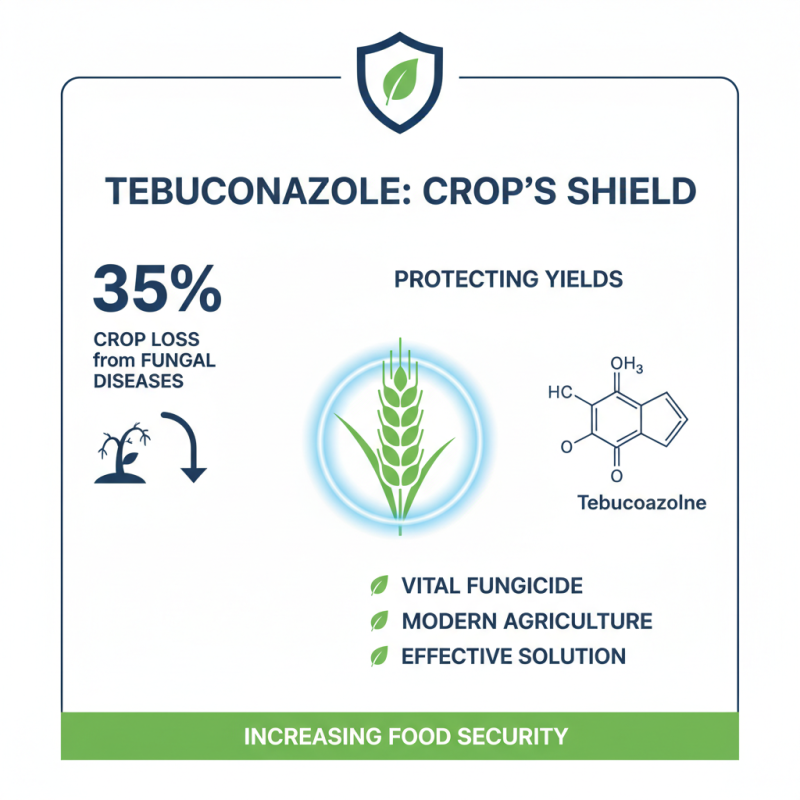
Tebuconazole is a vital fungicide in modern agriculture. Its role in crop protection is crucial. Fungal diseases can devastate yields. According to studies, these diseases can reduce crop production by up to 35%. Farmers rely on effective solutions.
The impact of Tebuconazole is significant. It helps control various fungal pathogens such as wheat rust and rice blast. A report from the Agricultural Innovation Partnership states it can enhance yield quality by 10-20%. This efficacy is essential for maintaining food supply stability.
While Tebuconazole is effective, its use requires caution. Over-reliance can lead to resistance. This is a growing concern among agronomists. Finding the right balance is key. Proper application and integrated pest management strategies are essential. The industry must reflect on sustainable practices to maximize benefits while minimizing risks.
Mechanism of Action of Tebuconazole Fungicide
Tebuconazole fungicide plays a vital role in agriculture. It effectively controls various plant pathogens. This compound belongs to the triazole class of fungicides. Its unique mechanism of action disturbs the ergosterol synthesis in fungi, a critical element for fungal cell membrane. By inhibiting the enzyme lanosterol 14α-demethylase, Tebuconazole prevents fungal growth and reproduction.
Recent studies reveal that Tebuconazole improves crop yields significantly. A report from the Agricultural Research Service shows that wheat yields can increase by up to 15% when Tebuconazole is applied. Similar benefits are noted in other crops, such as barley and corn. However, the reliance on a single fungicide can lead to resistance issues. Some pathogen populations may develop resilience over time, causing treatments to become less effective.
Despite its benefits, the use of Tebuconazole raises environmental concerns. It is essential to monitor its impact carefully. Over-application may lead to soil accumulation and potential runoff into water bodies. Farmers and agronomists must adopt balanced strategies, considering both efficacy and ecological safety. Cultivating diverse crop rotations can help mitigate these risks, promoting sustainable agriculture practices.
Application Methods and Best Practices for Farmers
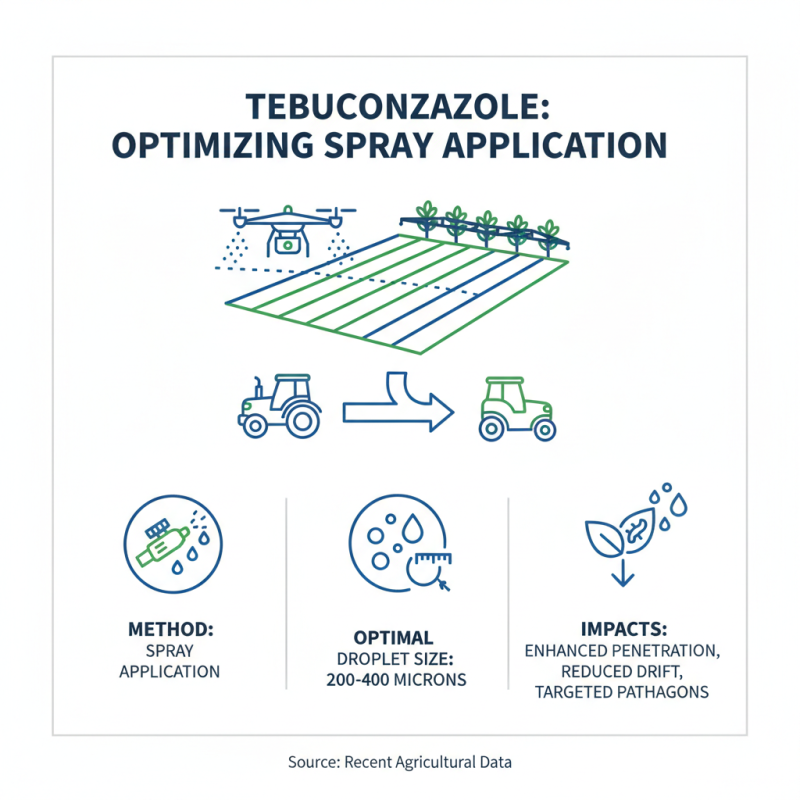
When using Tebuconazole, application methods significantly impact effectiveness. Many farmers choose spray application due to its wide coverage. According to recent data, proper droplet size can improve penetration and reduce drift. This results in more of the fungicide reaching the target pathogens. Ideally, a droplet size of 200-400 microns works best.
Timing is crucial as well. Farmers should apply during early disease development, which is when Tebuconazole is most effective. A study indicated that applications made at this stage can reduce disease severity by up to 50%. Additionally, mixing with the right adjuvants can enhance performance, but farmers often overlook this step.
Field calibration of equipment is essential yet commonly neglected. Improper calibration can lead to uneven application, wasting both product and money. Inconsistent application might leave some areas untreated while over-applying in others. This issue can create a need for additional applications and can contribute to resistance issues in the long term. Understanding these best practices enables farmers to maximize their yield potential while ensuring sustainable farming practices.
Impact of Tebuconazole on Crop Yield and Quality
Tebuconazole is becoming crucial in modern agriculture. This fungicide helps protect crops from various fungal diseases, promoting healthy growth. By minimizing disease incidence, it can significantly impact crop yield. Healthy crops often lead to more abundant harvests. Farmers have reported improvements in the quality of their produce as well.
However, the use of Tebuconazole is not without its concerns. Some studies indicate potential adverse effects on beneficial microorganisms in the soil. These organisms play a vital role in maintaining soil health. Over-reliance on chemical solutions like Tebuconazole could disrupt the ecosystem. It's essential to consider these consequences in the quest for high crop yield and quality.
While Tebuconazole can enhance productivity, balance is key. Integrating this fungicide with other management practices may yield better results. Observing how crops respond over time is crucial. A cautious approach ensures both immediate benefits and long-term sustainability in agriculture.
Environmental and Safety Considerations in Tebuconazole Use
Tebuconazole is a widely used fungicide in agriculture. While it helps control fungal diseases, environmental and safety considerations are crucial. Tebuconazole can affect non-target organisms. Bees and aquatic life may be vulnerable. It's important to think about these impacts.
Application practices also matter. Farmers should follow guidelines to minimize risks. Timing and method can influence how much chemical enters the environment. Overuse can lead to resistance in pathogens. This can make future treatments less effective.
Furthermore, residues may remain in soil or water. Farmers need to monitor these levels. Understanding the potential for runoff is essential. It's a complex balance between crop protection and environmental health. Continuous evaluation of practices can lead to better outcomes.
Importance of Tebuconazole Fungicide in Agriculture
This chart illustrates the impact of Tebuconazole fungicide application on various crop yields in comparison to untreated crops over a growing season. The data reflects improvement in yield as a result of effective fungal disease management.