How to Safely Use Agricultural Chemicals for Optimal Crop Production in 2025
In the dynamic landscape of agriculture, the safe and effective use of agricultural chemicals is paramount for achieving optimal crop production. As we look towards 2025, understanding how to integrate these essential substances into farming practices while prioritizing environmental health and human safety has never been more critical. Expert agronomist Dr. Jane Thompson emphasizes, "The proper application of agricultural chemicals, guided by best practices, is key to enhancing crop yields and maintaining ecological balance."
In the quest for maximizing productivity, farmers must navigate the complex array of agricultural chemicals available today. This involves not only knowing which chemicals to use but also understanding the timing, method of application, and the potential impacts on surrounding ecosystems. As agricultural practices evolve, it is imperative to stay informed about the latest research and technology that can improve the efficiency and safety of chemical usage. By fostering a deeper awareness of both the benefits and risks associated with agricultural chemicals, growers can make informed decisions that support sustainable farming practices and food security for future generations.
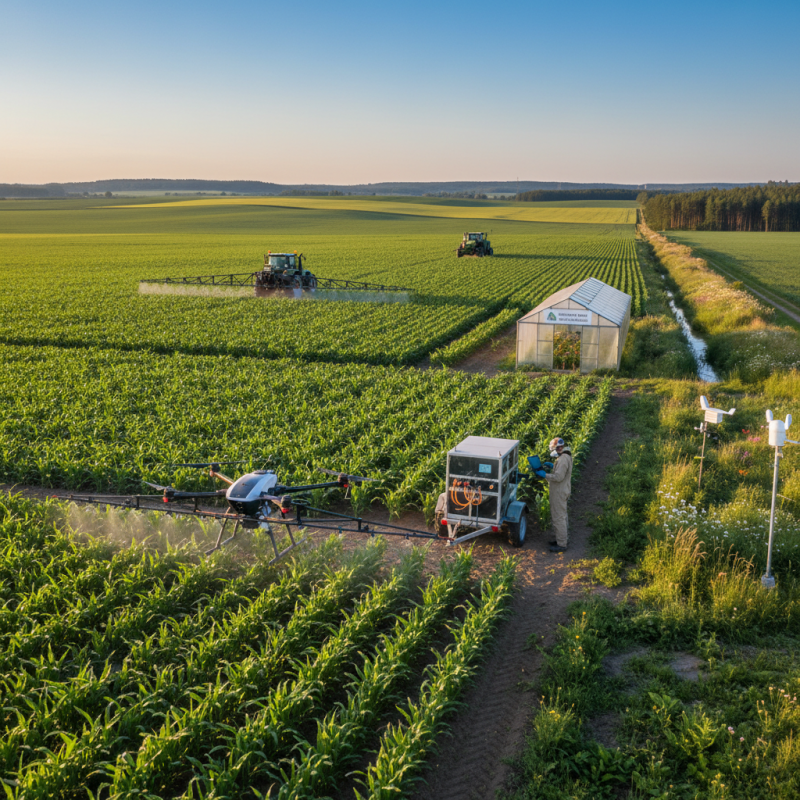
Best Practices for Selecting Agricultural Chemicals in Crop Production
Selecting agricultural chemicals is a critical step for ensuring optimal crop production while safeguarding both the environment and human health. When choosing these chemicals, farmers should prioritize products that have been thoroughly tested for efficacy and safety. It's essential to review the chemical's label for information regarding its active ingredients, recommended application rates, and potential risks to non-target organisms. Understanding the specific needs of crops and local soil conditions will also guide farmers in selecting the most appropriate chemicals that align with sustainable agricultural practices.
Additionally, integrating integrated pest management (IPM) principles can significantly enhance the selection process. IPM encourages the use of a combination of biological, cultural, and mechanical control methods alongside chemical applications. This holistic approach minimizes reliance on chemicals and focuses on managing pest populations effectively while reducing environmental impact. Farmers should also stay informed about emerging research and advancements in agricultural chemical formulations that offer lower toxicity levels and improved environmental profiles.
By making informed decisions based on best practices, farmers can optimize their crop production while promoting a healthier ecosystem.
Understanding the Importance of Safety Protocols in Chemical Application
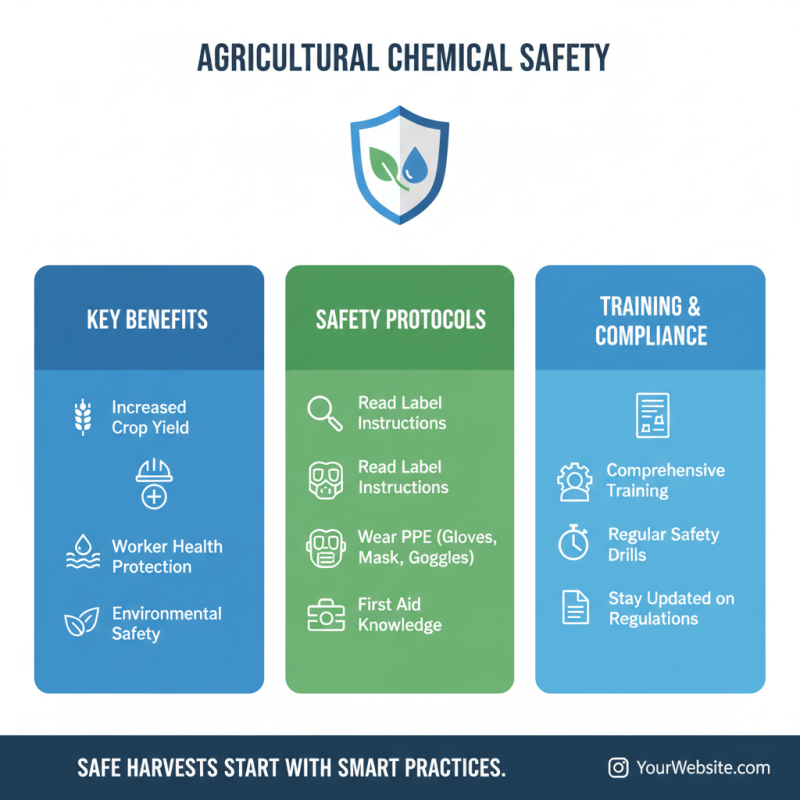
The safe application of agricultural chemicals is critical for enhancing crop production while protecting the health of workers and the environment. Establishing robust safety protocols is essential to mitigate risks associated with chemical handling. Farmers and agricultural workers must receive comprehensive training on the proper use of these chemicals, including understanding label instructions, personal protective equipment (PPE) requirements, and first aid measures for exposure. Regular safety drills and updates on regulations can reinforce that knowledge, ensuring that safety becomes an integral part of the agricultural operation.
In addition to training, the implementation of effective safety protocols is crucial. This includes creating clear procedures for the mixing, application, and disposal of chemicals. Utilizing technology, such as GPS-guided application systems, can increase precision in chemical use, thereby reducing wastage and minimizing environmental impact. Regular inspections of equipment and storage areas can also help prevent spills and accidents. By prioritizing safety protocols, farmers not only protect their own health and that of their workers but also contribute to sustainable agricultural practices that safeguard the ecosystem for future generations.
Effective Methods for Measuring and Mixing Chemicals Safely
When using agricultural chemicals, safe measurement and mixing practices are essential to ensure both optimal crop production and the health of the environment. One effective method for measuring these chemicals involves using calibrated equipment, such as graduated cylinders and digital scales, which provide precise measurements. It is important to follow the guidelines outlined on product labels, as they detail the correct application rates and methods. By adhering to these instructions, farmers can minimize the risk of over-application or under-application, which can adversely affect crop yield and contribute to chemical runoff.
Mixing chemicals safely is equally crucial in the agricultural process. Farmers should always wear appropriate personal protective equipment (PPE), including gloves, masks, and goggles, to safeguard against exposure. Mixing should be conducted in well-ventilated areas or outdoors when possible, to limit inhalation risks. A systematic approach to mixing, starting with adding water to the tank before introducing chemicals, helps prevent hazardous reactions and ensures uniform distribution. Additionally, using dedicated mixing containers can prevent cross-contamination and maintain the integrity of the chemicals being used. Adopting these practices not only protects human health but also supports sustainable farming efforts.
How to Safely Use Agricultural Chemicals for Optimal Crop Production in 2025
| Chemical Name |
Purpose |
Recommended Dosage (per acre) |
Mixing Guidelines |
Safety Precautions |
| Glyphosate |
Weed Control |
2.5 pints |
Mix with water; use within 24 hours. |
Wear gloves and a mask; avoid skin contact. |
| Chlorpyrifos |
Insecticide |
1.5 pints |
Mix with oil or water; apply during calm conditions. |
Use protective clothing; avoid inhalation. |
| Nitrogen Fertilizer |
Nutrient Supply |
100 lbs |
Dissolve in water; apply in split applications. |
Handle with care; avoid runoff into water sources. |
| Copper Sulfate |
Fungicide |
2.0 lbs |
Mix well in water; use immediately after mixing. |
Avoid contact with skin; protect eyes. |
Strategies for Minimizing Environmental Impact When Using Chemicals
The use of agricultural chemicals has become a cornerstone in modern farming, allowing for enhanced crop yields and the management of pests and diseases. However, with this advancement comes the responsibility of minimizing environmental impact. According to the Food and Agriculture Organization (FAO), approximately 40% of global food production relies on the use of fertilizers and pesticides, making it crucial for farmers to adopt sustainable practices.
Strategies such as integrated pest management (IPM) and precision agriculture can significantly reduce the ecological footprint of chemical usage. By utilizing IPM techniques, farmers can apply targeted treatments only when necessary, reducing chemical runoff and preserving beneficial insect populations.
Another critical approach involves employing precision agriculture technologies, which leverage data analytics to optimize chemical application rates and timing. The USDA's Economic Research Service reports that farms using precision agriculture methods could decrease their chemical inputs by up to 15%, thereby minimizing soil and water contamination. Additionally, adopting biodegradable and eco-friendly chemical alternatives can further mitigate adverse environmental effects.
Implementing buffer zones around water bodies and using cover crops can help filter out chemical residues. As the agricultural sector moves towards 2025, these innovative strategies not only promise to enhance productivity but also safeguard environmental health, ensuring a sustainable future for agriculture.
Monitoring Crop Health and Chemical Residue Post-Application
Effective monitoring of crop health and chemical residues after the application of agricultural chemicals is vital for both optimizing yield and ensuring food safety. According to the Agricultural Research Service, improper use of chemicals can lead to residue levels that might be harmful if ingested. A study highlighted by the
Environmental Protection Agency (EPA) suggests that residues from pesticides often remain on crops, requiring rigorous monitoring to comply with safety standards. For example, over
90% of produce samples tested in 2021 showed detectable pesticide residues, underscoring the necessity for robust post-application monitoring strategies.
Innovative technologies such as remote sensing and soil health monitoring systems are becoming increasingly integral in assessing both crop vitality and chemical residues. A report by the International Society for Precision Agriculture indicates that remote sensing can enhance crop management by providing real-time data on plant health, allowing farmers to make informed decisions regarding chemical usage. Moreover, regular soil and tissue sampling can significantly reduce the risk of harmful residues accumulating in crops, thus protecting consumer health and preserving marketability. As agricultural practices evolve in 2025, integrating these monitoring techniques will be essential for sustainable farming and achieving optimal crop production while maintaining safety standards.