How to Safely Use Pest Control Chemicals in Your Home?
Pest control chemicals are essential in managing household pests effectively. According to the National Pest Management Association (NPMA), nearly 70% of U.S. households experience pest issues each year. Using these chemicals safely is crucial to protect both health and the environment. Dr. Emily Thompson, an entomologist and pest management expert, states, “Understanding the properties and risks of pest control chemicals is vital for any homeowner.”
Proper use of pest control chemicals requires knowledge and caution. Many homeowners may not realize that improper application can lead to unintended consequences. Residues can linger, affecting indoor air quality and posing risks to children and pets. In fact, the EPA reports that about 13,000 exposures to pesticides occur each year in the U.S. This statistic highlights the need for careful handling and understanding of products used in homes.
It is important to assess each situation before applying chemicals. Homeowners should consider non-chemical options as part of their strategy. Ultimately, thorough research and adherence to guidelines can ensure safer usage. Balancing effectiveness with safety is not just ideal; it is essential.

Understanding Pest Control Chemicals: Types and Their Uses
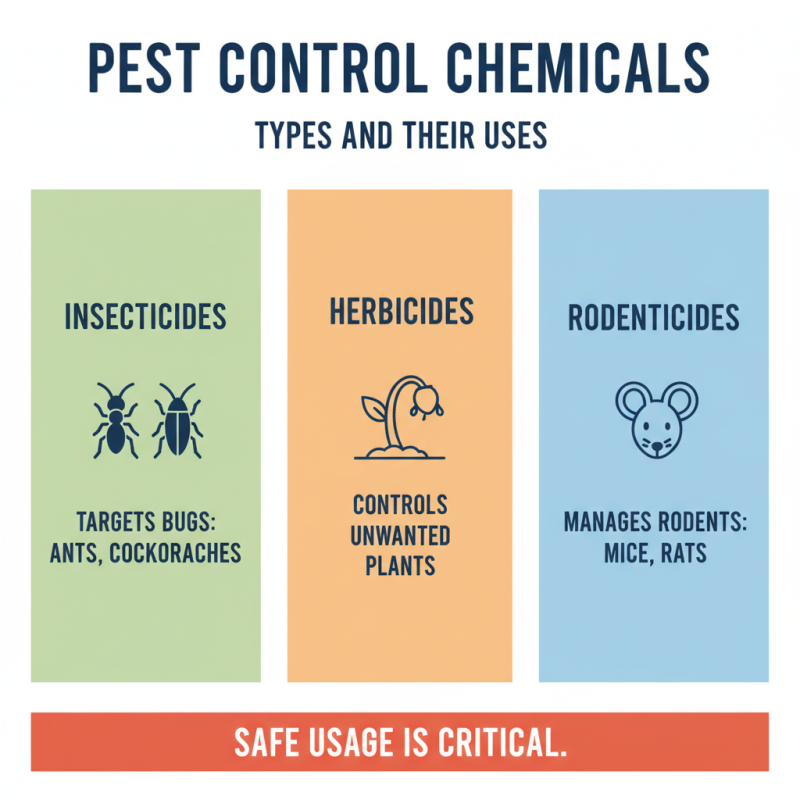
Pest control chemicals come in various types. Each serves a specific purpose in managing common household pests. Insecticides target bugs like ants and cockroaches. Herbicides deal with unwanted plants. Rodenticides are used for rodents. Understanding these chemicals is critical for safe usage.
It’s essential to read labels carefully. They provide safety instructions and application guidelines. Many chemicals can be harmful if misused. Dilution ratios are not always straightforward. Some products might require protective gear during application. Always keep children and pets away from treated areas, as their safety is paramount.
While these chemicals are effective, they have limitations. Some pests may develop resistance over time. Homeowners might need to rotate products to maintain effectiveness. Regular monitoring is vital to understand pest behaviors. It’s tempting to rely solely on chemicals, but integrating other methods can lead to better outcomes. Balancing chemical use with preventive strategies is a wise approach.
Assessing the Risks: Health and Environmental Impact of Chemicals
When using pest control chemicals in your home, understanding their health and environmental impact is crucial. Research reveals that nearly 20% of the population experiences adverse health effects from pesticide exposure. Common symptoms include headaches, nausea, and respiratory issues. Families with young children or pregnant women should be especially cautious. The American Association of Poison Control Centers reports thousands of pesticide-related exposures every year, underscoring the importance of careful application and adherence to safety guidelines.
Beyond immediate health risks, chemicals can harm the environment. For example, pesticides may contaminate local water sources, affecting aquatic life and drinking water. The U.S. Geological Survey found detectable pesticide residues in about 80% of U.S. stream samples. This statistic highlights the potential for long-term ecological damage. Homeowners may not realize that improper disposal of these chemicals can lead to soil contamination. Efforts to educate consumers on safe usage are essential. Recognizing these risks allows for more informed decisions, reducing both personal and environmental harm.
Preparing Your Home: Safety Precautions Before Application
Preparing your home for pest control chemical application is vital for safety. Start by removing children and pets from the area. The U.S. Environmental Protection Agency (EPA) reports that exposure to certain pesticides can be harmful, particularly to vulnerable groups. Store food items in sealed containers. This simple step helps reduce the risk of chemical contamination.
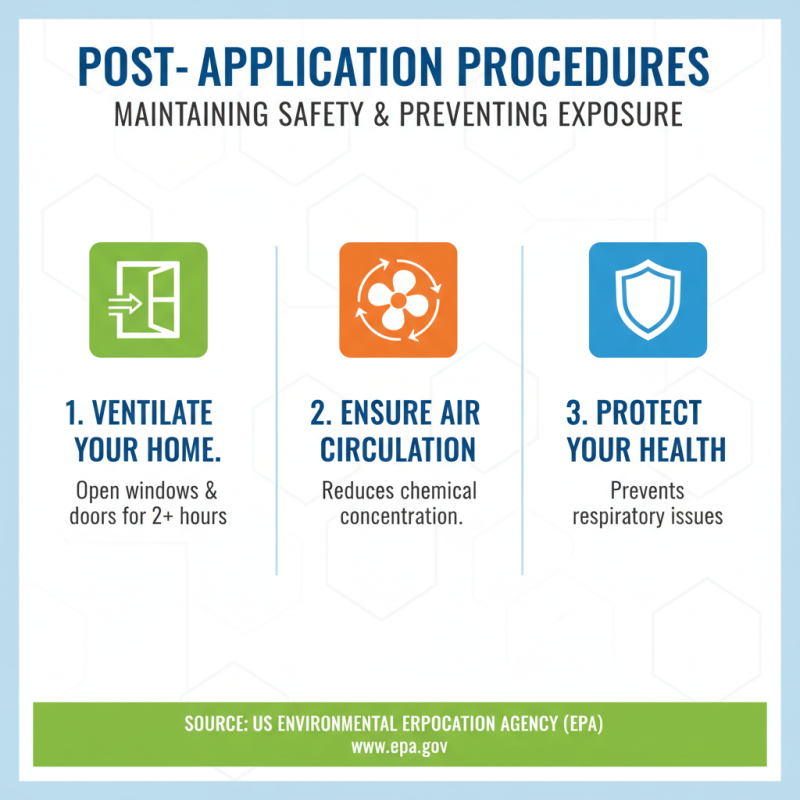
Ventilation is essential. Open windows and doors to allow air circulation. According to a study by the University of California, good ventilation can reduce indoor pesticide concentrations significantly. Check for any cracks or gaps in your home. Seal these openings to prevent pests from re-entering after treatment. Consider wearing protective gear, including gloves and masks, especially if you're applying strong chemicals.
It's also important to read labels carefully. Many people overlook this crucial step. Understanding instructions can prevent over-application or misuse. Document the areas treated and the chemicals used. This can provide valuable information if adverse effects occur later. Remember, preparation is more than just technique; it’s about ensuring a safe environment for everyone in your home.
How to Safely Use Pest Control Chemicals in Your Home? - Preparing Your Home: Safety Precautions Before Application
| Safety Precaution |
Description |
Importance |
| Read Labels |
Always read the chemical labels carefully for instructions and safety information. |
Ensures proper application and minimizes risks. |
| Ventilation |
Ensure the area is well-ventilated before and during the application. |
Reduces inhalation risks of toxic fumes. |
| Protective Gear |
Wear gloves, masks, and goggles when handling chemicals. |
Prevents skin, eye, and respiratory exposure. |
| Remove Pets and Children |
Keep pets and children away from the treated areas for a specified time. |
Protects them from accidental poisoning or exposure. |
| Store Chemicals Safely |
Keep pest control chemicals out of reach and in original containers. |
Prevents accidental ingestion and misuse. |
| Proper Disposal |
Dispose of unused chemicals according to local regulations. |
Avoids environmental contamination and hazards. |
Proper Application Techniques: Ensuring Safe Use in Your Space
When using pest control chemicals, proper application is crucial for safety. One key technique is to always read the label carefully. This ensures you understand how to use the product effectively. Use protective gear, like gloves and masks, to avoid contact with the chemicals. It’s easy to overlook these safety measures, but they are essential.
Choosing the right time for application can greatly impact effectiveness. Apply chemicals when there is less chance for wind or rain. This minimizes the risk of spreading chemicals outside the targeted area. Keep pets and children away from treated zones for at least the recommended period. Regularly check for any signs of pests returning; this could indicate improper application.
Evaluating your methods is vital. If the chemicals do not work as expected, rethink your approach. Did you apply enough? Was the timing right? Reflect on these questions. Pest control should be a thoughtful process. Always seek out new guidelines or updated techniques. Stay informed to ensure that your pest control efforts remain safe and effective.