How to Reduce Pesticides in Agriculture for Safer Food Production
The use of pesticides in agriculture has become a significant concern for food safety and environmental health. Dr. Emily Carter, a leading agronomist, emphasizes, "Reducing pesticide reliance is essential for sustainable farming." This statement highlights the urgent need for a shift in current agricultural practices.
Over-reliance on pesticides has detrimental effects. It can lead to soil degradation and biodiversity loss. Farmers often face challenges in understanding the balance between effective pest control and harmful chemical usage. Many people worry about pesticide residues in food. This reflects a growing demand for safer production methods.
Farmers have many options for reducing pesticide use. These include integrated pest management and organic farming techniques. However, transitioning to these practices can be hard. It requires education, resources, and support. Is the agricultural industry ready to embrace this change? The future of food production depends on it.

Overview of Pesticides in Modern Agriculture
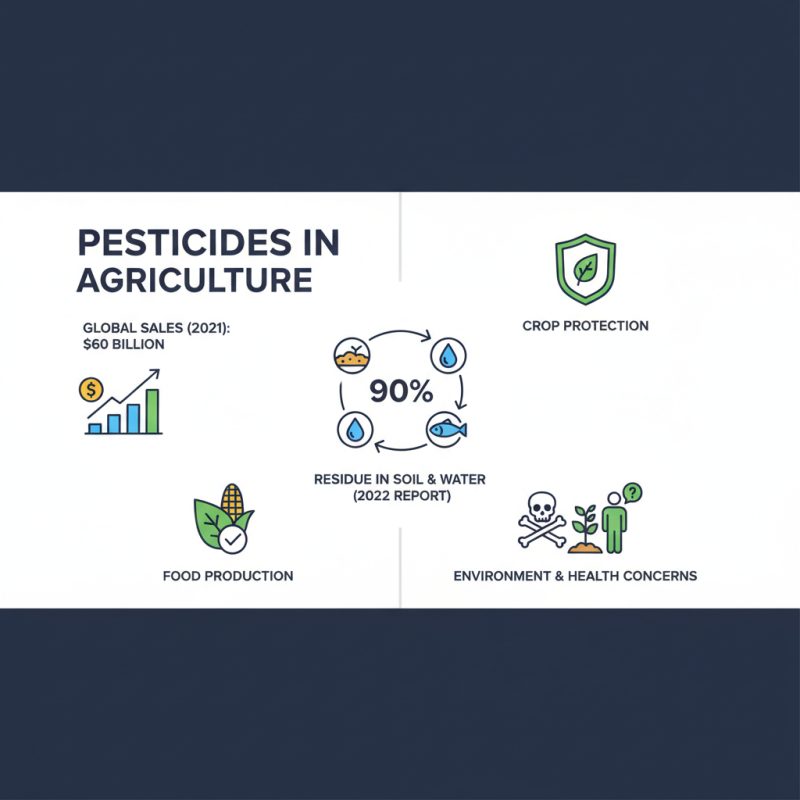
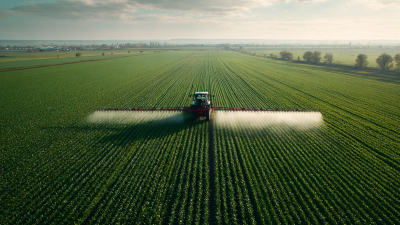
Pesticides are widely used in modern agriculture to protect crops from pests and diseases. In 2021, global pesticide sales reached approximately $60 billion, indicating their significant role in food production. However, the reliance on these chemicals raises concerns about safety and environmental impact. A 2022 report highlighted that nearly 90% of some pesticides can remain in soil and water, affecting ecosystems and human health.
Farmers face a complex challenge. While pesticides can enhance yields, excessive use can lead to resistance. For instance, over 50% of common pests have developed resistance to certain pesticides, making them less effective. This cycle creates a higher demand for stronger chemicals. Moreover, studies show pesticide residues on 70% of fruits and vegetables tested.
Consumers are increasingly concerned about these residues. A survey found that 75% of respondents worry about pesticide levels in food. Reducing pesticide use is essential, but it requires careful planning. Integrated pest management (IPM) strategies can help. These involve using biological controls and crop rotation. Yet, adoption rates remain low, with only 30% of farmers implementing IPM practices. Addressing these challenges requires innovation and a shift in farming practices.
Impact of Pesticides on Human Health and Environment
Pesticides play a significant role in modern agriculture. However, their impact on human health and the environment is concerning. Studies show that nearly 3 million people suffer from pesticide poisoning each year. This often affects farm workers, leading to serious health problems. Children are particularly vulnerable. Even low levels of exposure can disrupt their development.
Pollinators, such as bees, also suffer from pesticide exposure. A report by the International Union for Conservation of Nature reveals that around 40% of invertebrate pollinator species are facing extinction risks. This decline affects crop production and biodiversity. The chemicals can seep into soil and waterways, harming ecosystems far from their intended application.
To help reduce pesticide use, here are some tips:
- **Explore Integrated Pest Management (IPM)**: This method uses a combination of techniques to manage pests naturally.
- **Consider organic farming practices**: Organic methods often use fewer synthetic pesticides, promoting healthier ecosystems.
- **Educate on careful application**: Proper training ensures farmers apply pesticides responsibly, minimizing their environmental footprint.
Reflection is essential in addressing pesticide reliance. The pressure for high yields must balance with health and environmental integrity. Prioritizing safer alternatives requires systemic changes and awareness.
Techniques for Integrated Pest Management (IPM)
Integrated Pest Management (IPM) offers a thoughtful approach to reducing pesticides in agriculture. This method combines different strategies to control pests effectively while minimizing risks. For instance, it emphasizes biological control, using natural predators to manage pest populations. Farmers may release ladybugs to combat aphids. This method can be more sustainable than applying chemical pesticides.
Cultural practices are another key aspect of IPM. Rotating crops disrupts pest life cycles, reducing infestations. Intercropping also enhances biodiversity, which helps combat diseases. Yet, farmers sometimes resist these changes due to tradition or perceived complexity. Education and support are essential to encourage adoption.
Monitoring plays a vital role in IPM, making it a proactive strategy. Regular inspections help identify pest problems early. Simple traps can provide quick insights into pest presence. However, some farmers find it hard to commit time for consistent monitoring. Balancing these practices with daily responsibilities is challenging. As we explore IPM further, reflection on these barriers will enhance its effectiveness in safer food production.
How to Reduce Pesticides in Agriculture for Safer Food Production - Techniques for Integrated Pest Management (IPM)
| Technique |
Description |
Benefits |
Effectiveness (%) |
| Crop Rotation |
Changing the types of crops grown in a specific area to disrupt pest cycles. |
Reduces pest populations and improves soil health. |
70% |
| Biological Control |
Using natural predators or parasites to manage pest populations. |
Sustainable and reduces chemical usage. |
80% |
| Cultural Practices |
Adapting farming practices, such as planting time and density, to minimize pest risks. |
Enhances crop resilience and integrates with local ecosystems. |
60% |
| Mechanical Control |
Physical methods like traps or barriers to manage pests. |
Immediate reduction of pest populations without chemicals. |
75% |
| Integrated Pest Management Plan |
A comprehensive strategy combining multiple techniques for sustainable pest control. |
Long-term pest management that minimizes chemical use. |
85% |
Organic Farming Practices to Reduce Pesticide Use
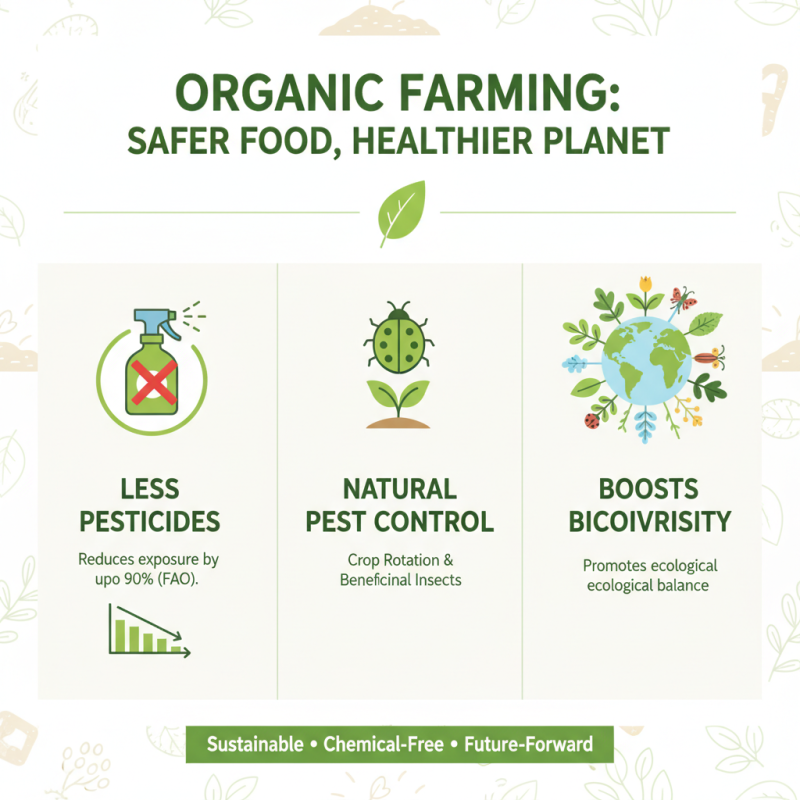
Organic farming practices aim to minimize pesticide use while enhancing food safety. According to the Food and Agriculture Organization of the United Nations, organic methods can reduce pesticide exposure by up to 90%. Farmers often utilize natural pest control methods, such as crop rotation and beneficial insects. These techniques promote biodiversity and reduce pest populations without synthetic chemicals.
Additionally, organic farming emphasizes soil health. Healthy soil can naturally suppress pests and diseases. A study by the Rodale Institute reported that organic systems can improve soil organic matter by 30%. This not only boosts crop resilience but also supports sustainable ecosystems. However, transitioning to organic methods poses challenges. Farmers may face initial yield reductions and require more labor.
Despite these hurdles, consumer demand for organic products continues to rise. A survey by the Organic Trade Association indicated that nearly 80% of families purchase organic foods regularly. This trend underscores a growing awareness of pesticide risks and a desire for safer food. As the agriculture sector evolves, more farmers are adopting organic practices, reflecting a shift towards healthier and more sustainable food production.
Legislative and Community Efforts for Safer Food Production
Legislative and community efforts play a vital role in reducing pesticides in agriculture. Laws can enforce limits on pesticide use and promote sustainable practices. Communities can push for changes that ensure food safety. Strong regulations protect both farmers and consumers. They encourage organic farming and natural pest control methods. This shift is essential for healthier food production.
Tips for Communities: Engage local farmers in discussions about pesticide reduction. Host workshops to educate about alternative pest control. Organize community gardens that use less harmful techniques.
While efforts are critical, challenges remain. Not all farmers can afford to make immediate changes. Some pests are resistant to non-chemical methods. The pressure to produce high yields often overrides safety concerns. Finding balance is key. Ongoing dialogue and support can foster progress.
Tips for Legislation: Advocate for policies that incentivize organic farming. Encourage government funding for research on effective, non-toxic alternatives. Make sure all voices are heard in policy discussions. Community input is invaluable for creating effective solutions.
Reduction of Pesticide Use Over Time