Why Are Agricultural Chemicals Essential for Modern Farming?
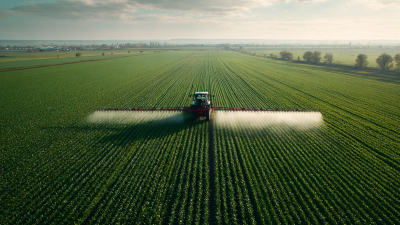
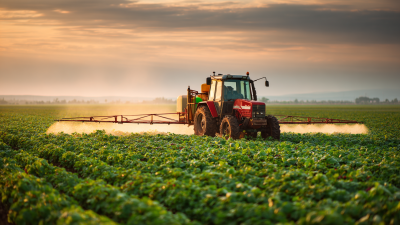
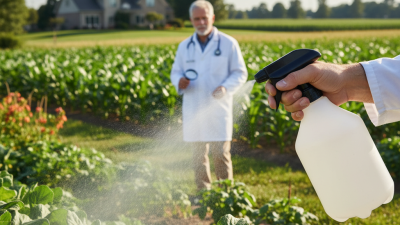
Agricultural chemicals play a crucial role in modern farming. Experts believe they are essential for ensuring food security and maximizing yields. Dr. Emily Carter, a leading agronomist, stated, "Without agricultural chemicals, we risk failing to feed a growing global population.” These substances help control pests, diseases, and weeds, making crops healthier and more abundant.
However, the use of agricultural chemicals is not without controversy. Many people raise concerns about the environmental impact and potential health risks. Farmers face the challenge of finding a balance between effective crop protection and sustainability. Implementing responsible practices is vital. Limited understanding of this balance creates uncertainty in farming communities.
As the agriculture industry continues to evolve, the conversation about agricultural chemicals must grow too. Farmers should remain vigilant and informed about their usage. Ongoing research and technology innovations promise to address some of the current issues. It’s necessary to reflect on how we can improve and adapt while still harnessing the benefits of agricultural chemicals.
The Role of Agricultural Chemicals in Increasing Crop Yields
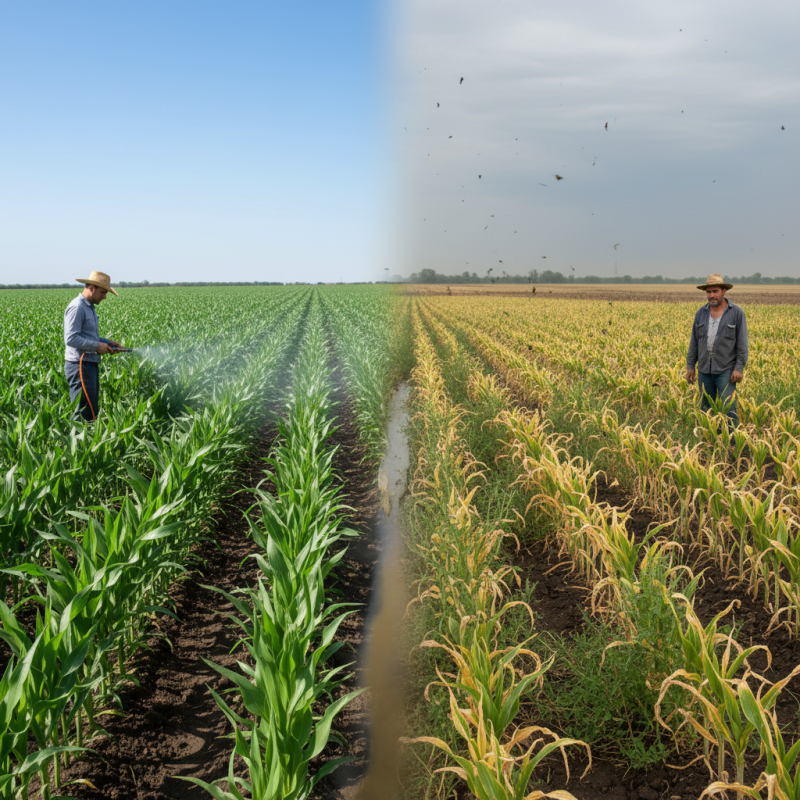
Agricultural chemicals play a crucial role in increasing crop yields. According to the Food and Agriculture Organization, global food production must increase by 70% by 2050 to meet the needs of a growing population. Fertilizers and pesticides significantly enhance agricultural productivity. In fact, proper use of fertilizers can increase crop yields by 30-50%.
Additionally, pesticides help control pests and diseases that threaten crops. A study by the American Agricultural Economics Association reports that integrated pest management can reduce crop losses by up to 30%. These chemicals allow farmers to produce more food on the same amount of land. However, reliance on these products poses risks. Soil health can suffer, and there may be impacts on water quality.
Balancing productivity and sustainability is essential. Overuse can lead to resistance in pests and declining soil fertility. Farmers need to consider integrated approaches. Combining chemical use with organic practices might yield better long-term results. The challenge is to maximize the benefits of agricultural chemicals while ensuring environmental health for future generations.
Types of Agricultural Chemicals and Their Functions in Farming
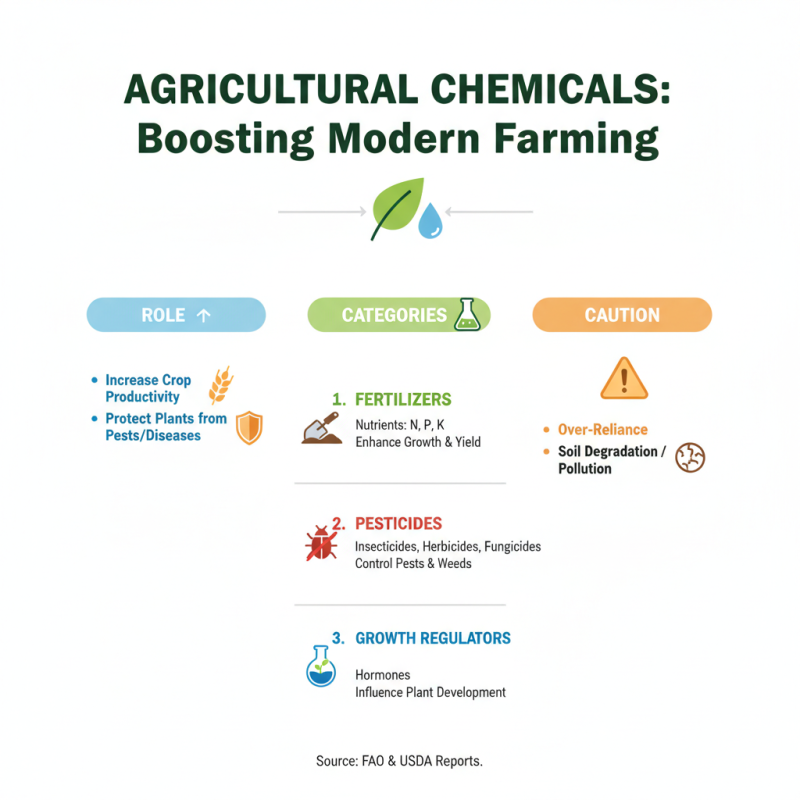
Agricultural chemicals play a vital role in modern farming practices. They fall into several categories, each serving specific functions to boost productivity. Fertilizers provide essential nutrients to crops, enhancing growth and yield. Nitrogen, phosphorus, and potassium are key components that promote healthy plant development. However, over-reliance on these chemicals can lead to soil degradation.
Pesticides are another crucial category, protecting crops from pests and diseases. Insecticides target harmful insects, while fungicides combat fungal infections. These chemicals help farmers maintain crop health. Yet, they can also harm beneficial organisms in the ecosystem. This creates a precarious balance that farmers must navigate carefully.
Herbicides are used to control unwanted weeds. Without them, weeds can outcompete crops for resources. Still, their excessive use may lead to resistant weed species. This demonstrates the need for integrated approaches. Farmers are increasingly exploring sustainable practices that reduce chemical reliance while maintaining productivity. Finding this balance is essential for the future of agriculture.
Environmental Impacts of Agricultural Chemicals: Benefits and Risks
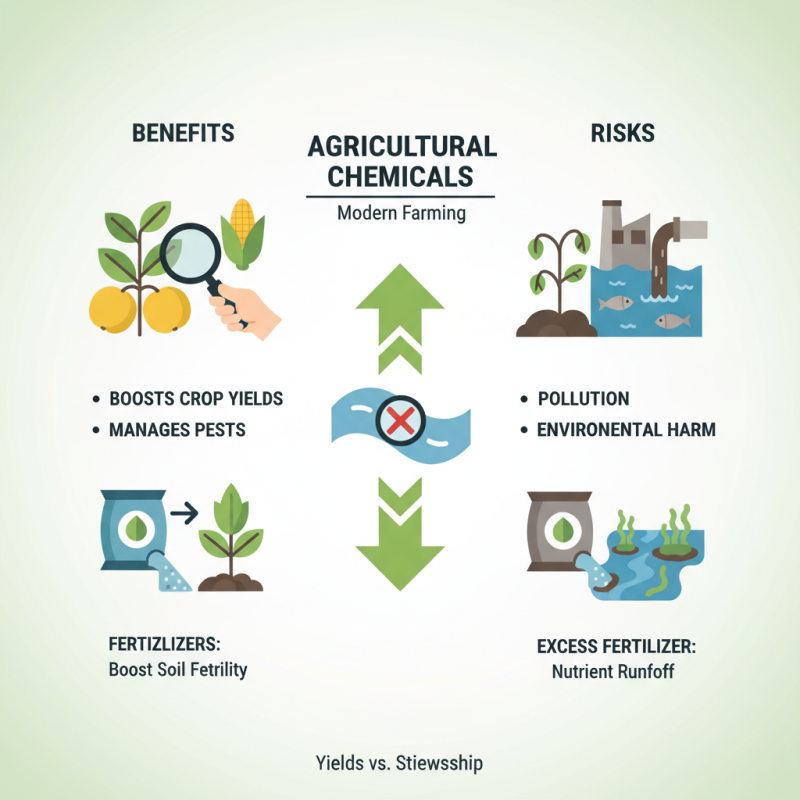
Agricultural chemicals play a significant role in modern farming. They help boost crop yields and manage pests. However, their use comes with both benefits and risks. For instance, fertilizers increase soil fertility and promote healthy plant growth. But excessive use can lead to nutrient runoff, harming nearby water bodies.
The environmental impact of these chemicals is complex. Pesticides keep crops safe from infestations but may affect non-target species. Beneficial insects, like bees, can be harmed by certain chemicals. These unintended consequences raise questions about sustainability. Is it worth sacrificing biodiversity for higher productivity?
Farmers face tough choices. They need to balance immediate agricultural needs with long-term environmental health. While chemicals can enhance yield, they may also contaminate soil and water. This creates a dilemma. The challenge lies in finding ways to minimize these risks while still employing effective farming practices. Constant reflection is necessary to ensure a healthier future for both agriculture and the environment.
Regulations and Safety Measures in the Use of Agricultural Chemicals
The modern agricultural landscape relies significantly on chemicals to enhance productivity. However, the use of these chemicals raises safety concerns. Regulations play a crucial role in ensuring that agricultural chemicals are used safely and responsibly. In the United States, for instance, the Environmental Protection Agency (EPA) regulates pesticides through a strict approval process. Researchers note that approximately 90% of all pesticides are used on just five food crops. This statistic highlights the concentrated nature of chemical applications in agriculture.
Tips: Always follow label instructions when using any chemical. Improper usage can lead to adverse effects on health and the environment.
Safety measures are vital. Farmers must implement practices like personal protective equipment (PPE) while applying chemicals. The CDC reports that there are about 20,000 cases of pesticide-related illnesses annually. This fact underscores the importance of safety adherence. Furthermore, integrating integrated pest management (IPM) can help reduce chemical reliance while maintaining crop yields.
Tips: Consider using IPM strategies. They can reduce the need for chemicals and promote environmental sustainability.
Reflecting on these practices encourages continuous improvement. Many farmers are now adopting precision agriculture technology. This approach minimizes chemical use by targeting specific areas that need treatment. Such innovations promise to balance productivity with environmental health.
Future Trends in Agricultural Chemicals and Sustainable Farming Practices
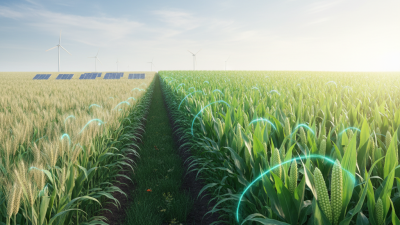
The future of agricultural chemicals is intertwined with sustainable practices. Reports show that by 2030, sustainable farming may reduce chemical usage by up to 30%. This shift will benefit biodiversity and soil health. Farmers can integrate precision agriculture, using data to minimize chemical applications while maximizing crop yield.
Tip: Regular soil testing helps understand nutrient needs. This can lead to more efficient chemical use. Ensuring the right amount is vital.
As consumer demand for organic produce rises, farmers face a challenge. Balancing productivity and sustainability is complex. Some practices may lead to chemical over-reliance in certain regions. It’s crucial to adopt integrated pest management. This method combines biological, cultural, and physical approaches to reduce chemical inputs.
Tip: Keep an eye on pest thresholds. Use chemicals only when necessary. This encourages healthier ecosystems.
Innovation in biopesticides and biofertilizers shows promise. These alternatives may lower chemical dependency, offering a more sustainable future. Yet, there are still unknowns about their long-term impacts on soil and crop health. Continuous research is essential to navigate these challenges effectively.