Essential Tips for Selecting Agricultural Chemicals Safely?
Selecting agricultural chemicals safely is crucial for effective farming. According to the Food and Agriculture Organization (FAO), over 40% of global crop yields rely on these chemicals. However, the misuse of agricultural chemicals can have devastating effects on health and the environment. In the US alone, the Environmental Protection Agency (EPA) reported about 200,000 incidents of pesticide misuse each year, highlighting the urgency for proper selection and application.
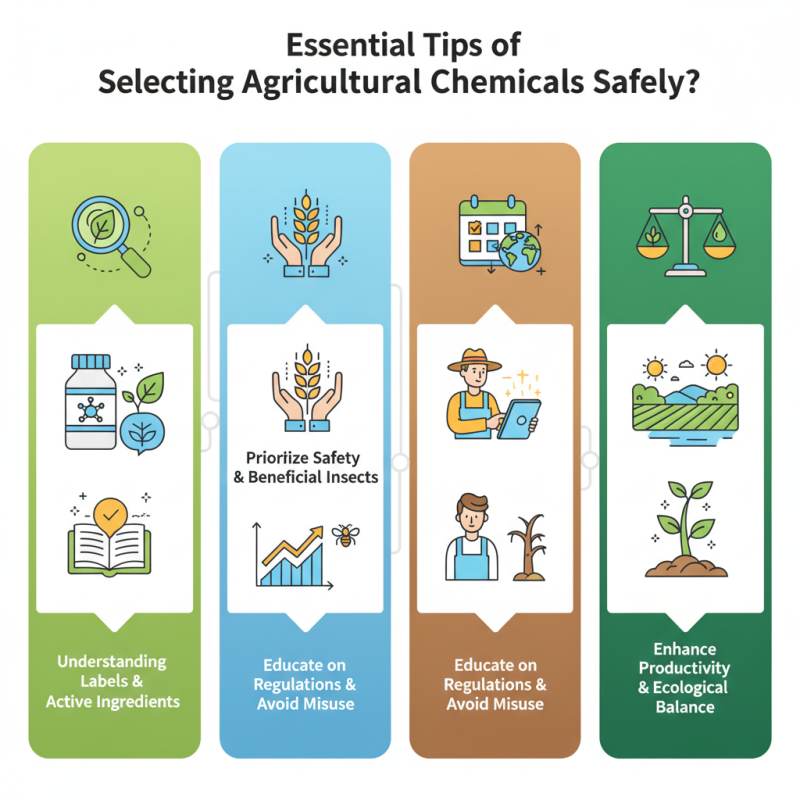
Farmers need to prioritize safety when choosing these products. Understanding labels and their active ingredients is essential. A study from the National Agricultural Statistics Service shows that inaccurate application can lead to a 20% drop in crop yields. This reality urges farmers to educate themselves continually on chemical properties and local regulations. Awareness of potential hazards can minimize risks and ensure sustainability.
However, not all agricultural chemicals are created equal. Some may not meet safety standards or could harm beneficial insects. Reflecting on past mistakes can guide better decisions. The industry must embrace best practices to protect both crops and ecosystems. Thoughtful selection of agricultural chemicals not only enhances productivity but also promotes ecological balance.
Understanding Agricultural Chemicals: Types and Their Uses
Agricultural chemicals play a crucial role in modern farming. They help protect crops from pests and diseases and enhance growth. There are several types of agricultural chemicals, each serving a unique purpose. Pesticides, for instance, control harmful insects. Herbicides target unwanted plants. Fertilizers provide essential nutrients that may be deficient in soil.
Farmers must understand the specific needs of their crops. Not all chemicals are suitable for every situation. It's essential to read labels carefully. Additionally, always consider environmental impact. Overuse of chemicals can harm beneficial insects and reduce soil health. Each application should be well thought out.
Proper training in handling agricultural chemicals is vital. Farmers should be educated about safe usage and disposal. Mistakes can lead to health issues and environmental damage. Continuous learning and adapting practices can lead to better outcomes. Using agricultural chemicals responsibly is a step towards sustainable farming.
Essential Tips for Selecting Agricultural Chemicals Safely
| Chemical Type |
Common Uses |
Safety Tips |
Environmental Impact |
| Herbicides |
Control of unwanted plants and weeds |
Wear protective clothing and follow application guidelines |
May harm non-target plants and insects |
| Insecticides |
Control of insect pests |
Avoid application during flowering to protect pollinators |
Potential toxicity to beneficial insects |
| Fungicides |
Prevent fungal infections |
Use in rotation to prevent resistance |
Can disrupt local ecosystems |
| Nutrient Solutions |
Supplement soil nutrients |
Follow soil testing recommendations |
Overuse can lead to runoff and water pollution |
Evaluating Safety Standards for Agricultural Chemicals
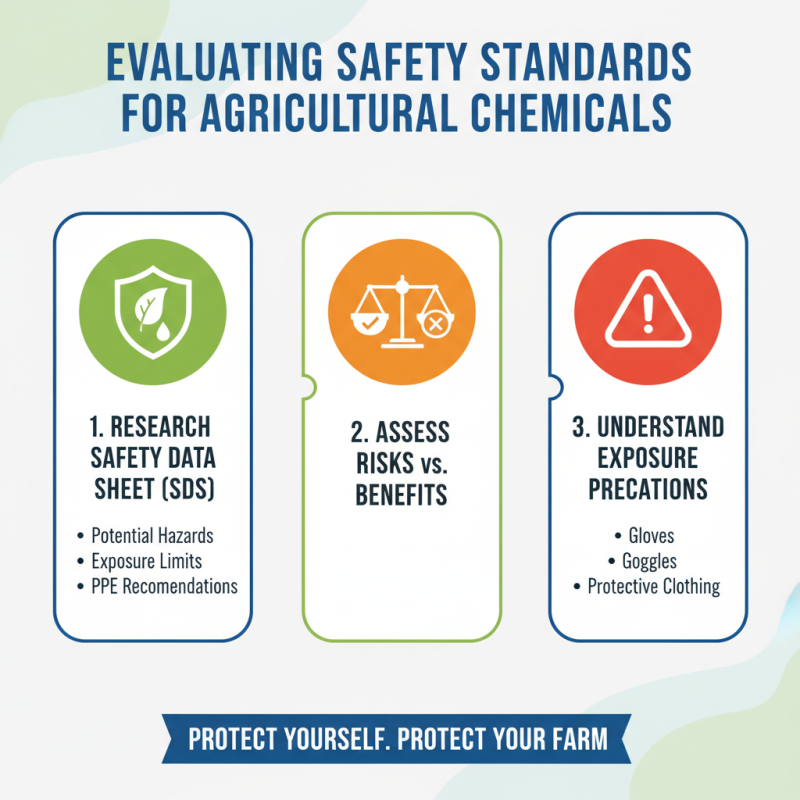
When selecting agricultural chemicals, understanding safety standards is crucial. Farmers must evaluate the risks versus benefits. Begin by researching the chemical’s safety data sheet. This document offers valuable insights into potential hazards, exposure limits, and recommended personal protective equipment.
It’s also essential to check for certifications. Look for products that meet established safety regulations. Consulting with local agricultural extension services can provide guidance on compliant chemicals. They can help you understand regional implications and environmental impacts.
Field-testing is important as well. Conduct trials on a small scale to observe effects on crops. Monitor the results closely. If adverse reactions occur, reassess your chemical choice. Farming is complex, and not all chemicals work as intended. Staying informed and cautious can help in making safer selections.
Identifying Environmental Impact of Agricultural Chemicals
Understanding the environmental impact of agricultural chemicals is crucial for sustainable farming. These products can affect soil health, water quality, and local ecosystems. When chemicals seep into the ground, they can contaminate groundwater, which is a vital resource for many communities. Monitoring the runoff from agricultural fields is essential, as it can carry harmful substances into nearby rivers and lakes.
Farmers must consider the long-term effects of their choices. Pesticides and herbicides, while effective, can lead to reduced biodiversity. They may harm non-target species such as pollinators and aquatic life. Incorporating practices like integrated pest management can mitigate these risks. It focuses on using natural predators and crop rotation to control pests. These methods can reduce reliance on harmful chemicals.
Communication with local environmental experts is beneficial. They can provide guidance on selecting safer alternatives. Community workshops can foster knowledge sharing among farmers about sustainable practices. Reflecting on our choices can lead to better outcomes for both agriculture and the environment. Balancing productivity with ecological health remains a challenge worth addressing.
Environmental Impact of Agricultural Chemicals
Best Practices for Proper Handling and Storage of Chemicals
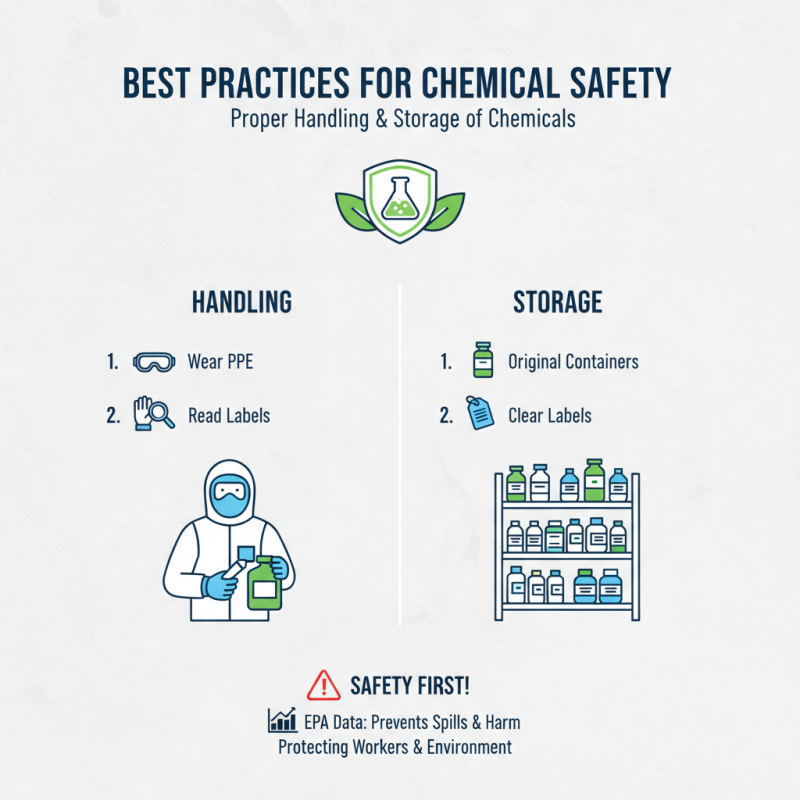
Proper handling and storage of agricultural chemicals are crucial for safety. Data from the Environmental Protection Agency (EPA) shows that improper storage can result in chemical spills, harming workers and the environment. Keeping chemicals in their original containers with clear labels is vital. It reduces the risk of misuse and accidents.
Temperature plays a significant role in chemical stability. Many chemicals need to be stored in cool, dry places, away from direct sunlight. According to the National Agricultural Chemical Association, over 30% of agricultural accidents involve mishandling during storage. This statistic highlights the importance of routine checks on storage areas to maintain safety protocols.
Training for workers is essential. Regular sessions on proper handling techniques can limit risks. An estimated 25% of chemical-related incidents occur due to lack of training. Ensure that staff understand the risks and emergency procedures. While it’s easy to overlook details in routine tasks, being vigilant can make a significant difference in safety outcomes.
Consulting Experts: When to Seek Professional Guidance
Navigating the complex world of agricultural chemicals can be a daunting task. With regulations changing frequently, understanding when to consult experts is crucial. The U.S. Environmental Protection Agency (EPA) reported that nearly 20% of pesticide misuse stems from inadequate knowledge. Relying solely on personal research can lead to mistakes.
Experts can provide insights on specific chemicals suited for particular crops. They also offer guidance on potential risks and safety measures. The National Agricultural Statistics Service highlights that agricultural practices backed by expert advice often lead to up to a 25% increase in crop yields. An experienced consultant can assess local conditions and recommend safe applications, reducing the likelihood of environmental harm.
It’s essential to reflect on your choices. Are you relying on outdated information? Seeking professional guidance is not a weakness; it shows a commitment to sustainable practices. Many farmers hesitate to consult experts due to concerns about costs or appearing uninformed. However, investing in expert advice can save money and improve outcomes in the long run. In a field where knowledge is rapidly evolving, staying informed is key.