Why Is Effective Pesticide Control Essential for Sustainable Agriculture?
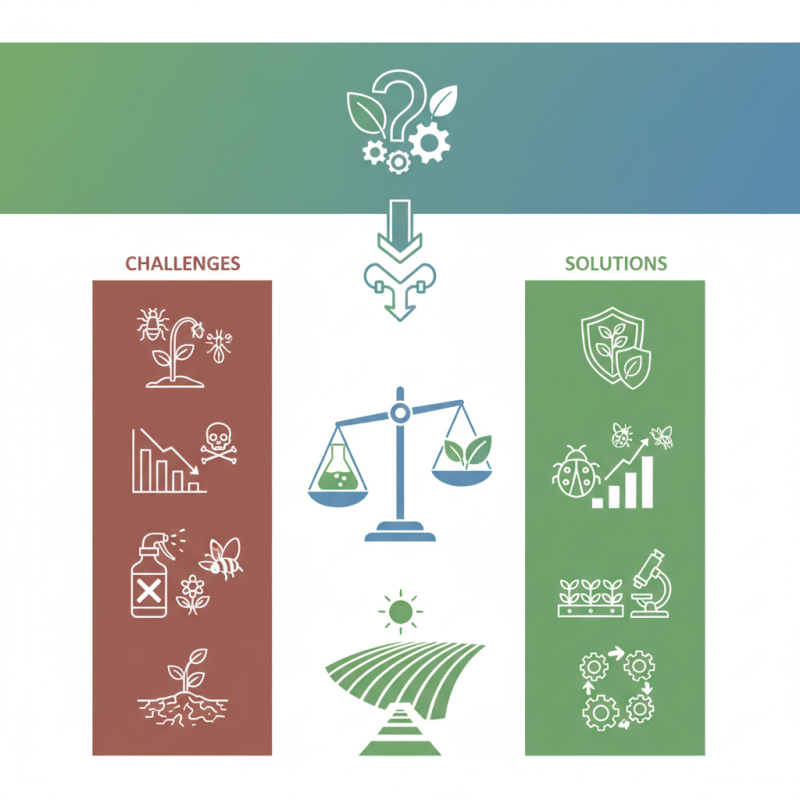
Effective pesticide control is a cornerstone of sustainable agriculture. Farmers face constant challenges from pests, which can devastate crops. Dr. Emily Hart, an expert in integrated pest management, noted, “Pesticide control must be both effective and responsible.” This highlights the need for balance in using pesticides while protecting the environment.
Farmers often rely on chemical solutions for pest control. However, overuse leads to resistance and ecological harm. Inappropriate pesticide application can damage beneficial insects and pollinators. Such practices risk long-term agricultural productivity. Farmers must adopt smarter pest management strategies.
The path forward includes innovative methods and technologies. Crop rotation and biological controls offer promising alternatives. Relying on pesticides alone is risky. Sustainable agriculture necessitates a commitment to responsible pesticide control practices while fostering ecological balance. It demands constant evaluation and improvement to ensure future crop yields.
The Role of Pesticides in Protecting Crop Yields and Quality
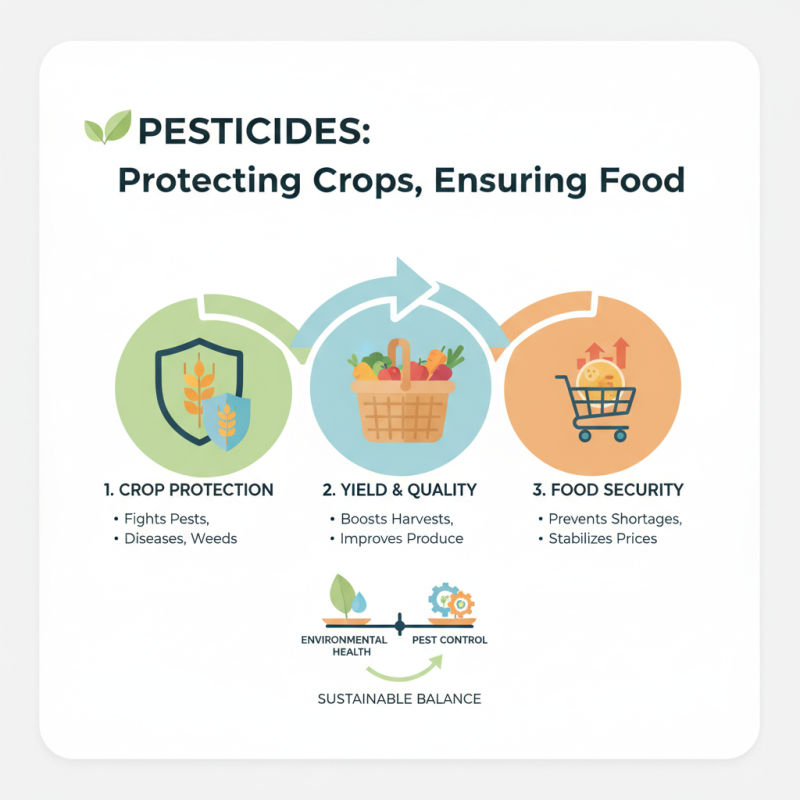
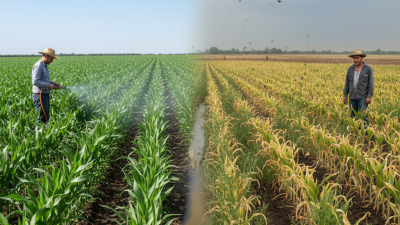
Pesticides play a crucial role in maintaining crop yields and enhancing quality. Farmers use them to protect plants from pests, diseases, and weeds. Without effective pesticide control, crops may suffer from damage and yield losses. This can lead to food shortages and higher prices for consumers. It’s essential for sustainable agriculture to balance pest control and environmental health.
Tips for effective pesticide use include identifying pests early. Regular monitoring prevents infestations from getting out of hand. Use the right pesticide for the specific pest situation. Avoid overuse, as it can lead to resistance. This resistance can create a cycle of more significant pest issues. Aim for integrated pest management. This approach combines biological, cultural, and chemical methods for better results.
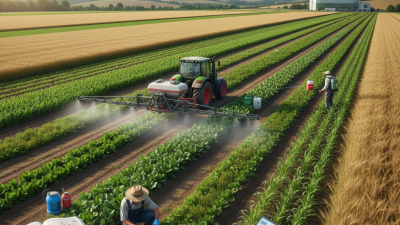
Pesticides must be applied following guidelines to minimize harm. It’s vital to be aware of the surroundings. Runoff can contaminate local water systems, impacting wildlife and human health. Reflect on the long-term effects of pesticide use on soil health. Relying solely on chemicals may not be sustainable. Diversifying pest control methods can lead to better crop resilience and environmental sustainability.
Understanding the Impact of Pesticides on Ecosystems and Biodiversity
Pesticides are commonly used in agriculture. However, their impact on ecosystems can be severe. They not only target pests but also affect beneficial insects, soil health, and water quality. For instance, bees, crucial for pollination, are often harmed by pesticide exposure. This leads to reduced crop yields in the long run.
The balance of ecosystems is delicate. Pesticides can create a ripple effect, disrupting food chains. Aquatic life suffers when runoff enters rivers and lakes. Many species show declining populations. This raises concerns about biodiversity loss. Farmers need to reflect on the long-term consequences of using these chemicals.
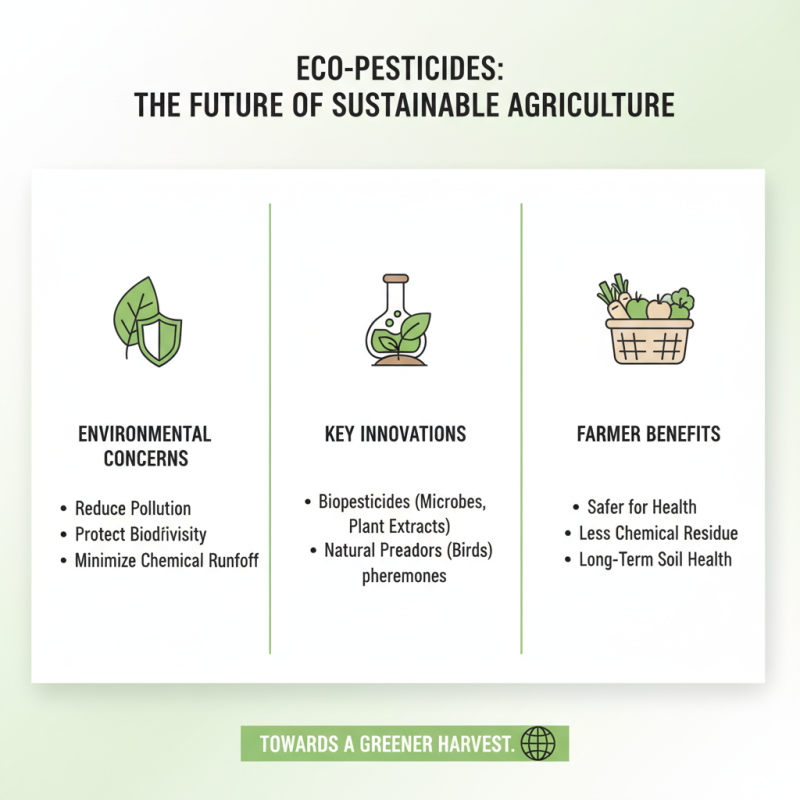
Sustainable approaches can help mitigate these issues. Integrated pest management, for example, focuses on natural predators and alternative methods. Adopting such practices may require effort. Yet, the health of our environment and agriculture could greatly benefit from these changes. It is crucial for farmers to weigh short-term gains against lasting effects on ecosystems.
Why Is Effective Pesticide Control Essential for Sustainable Agriculture?
| Pesticide Type |
Impact on Ecosystem |
Effect on Biodiversity |
Sustainable Alternatives |
| Insecticides |
Can reduce insect populations, impacting pollinators and food webs. |
Decline in beneficial insect species can disrupt ecological balance. |
Integrative pest management (IPM), organic insecticides. |
| Herbicides |
Can reduce weed diversity, affecting habitat for various species. |
Loss of native plants can lead to reduced habitat for wildlife. |
Cover cropping, mechanical weeding. |
| Fungicides |
Can alter soil microbiomes, affecting nutrient cycles. |
Impact on fungi may disrupt symbiotic relationships with plants. |
Crop rotation, resistant plant varieties. |
| Rodenticides |
Can poison non-target species; affects food chain. |
Chronic effects on top predators, such as owls and hawks. |
Habitat management, use of non-toxic deterrents. |
Integrated Pest Management: A Sustainable Approach to Pest Control
Integrated Pest Management (IPM) is a holistic approach. It combines different strategies for effective pest control. Farmers often underestimate the importance of this method. According to the Food and Agriculture Organization, IPM can reduce pesticide use by 30% to 50%. This translates to lower costs and fewer negative environmental impacts.
IPM focuses on understanding pest life cycles and their natural enemies. By monitoring pest populations, farmers make informed decisions. This knowledge can curb outbreaks before they escalate. Data shows that IPM can increase crop yields by up to 20%. Yet, not all farmers adopt these practices, leading to reliance on harmful chemicals.
Tips: Monitor your fields regularly. Identify both pests and beneficial insects. Develop a pest control plan that emphasizes prevention. Educating yourself about local pests can lead to better outcomes. Change is difficult, yet necessary for sustainable agriculture. Embracing IPM requires commitment, but the long-term benefits are significant.
Effective Pesticide Control in Sustainable Agriculture
Regulatory Guidelines and Safety Measures for Pesticide Use
Effective pesticide control is vital for sustainable agriculture. However, the use of pesticides must align with stringent regulatory guidelines. Farmers must understand these rules to ensure safety and efficacy. Proper training and certifications are often required. This knowledge empowers them to make informed decisions.
Safety measures are equally critical. Wearing protective gear can reduce exposure risks. This includes gloves, masks, and long-sleeved clothing. Additionally, the correct storage of pesticides prevents accidental spills. Regular checks on equipment help identify issues before they escalate. Education programs can inform farmers about new practices and innovations.
Despite these measures, challenges remain. Many farmers may cut corners due to pressure for immediate results. This can lead to improper application and potential harm to the environment. Reflecting on these choices is essential for long-term sustainability. Adopting a mindset of continuous improvement is key to overcoming these obstacles. Being proactive can foster healthier ecosystems.