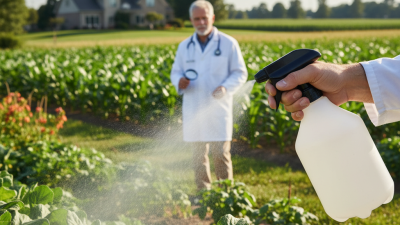
Top Strategies for Effective Crop Protection in Modern Agriculture
In the ever-evolving landscape of modern agriculture, effective crop protection has become a crucial aspect of ensuring sustainable food production and maximizing yield. Farmers face various challenges, including pest infestations, plant diseases, and environmental pressures, which can significantly impact their crops. To navigate these challenges, it is imperative to employ innovative strategies and technologies that enhance crop resilience and productivity. The integration of advanced crop protection methods is essential for safeguarding harvests and maintaining the health of the ecosystem.
One significant player in the realm of agricultural innovation is Syngenta Crop Protection, which has developed a range of solutions designed to support farmers in their pursuit of effective pest management and crop health. By focusing on integrated pest management, biological control, and precision agriculture, modern crop protection strategies not only aim to minimize crop loss but also prioritize environmental sustainability. This introduction will explore the top strategies for effective crop protection that are transforming modern agriculture, highlighting the importance of combining traditional practices with cutting-edge technology to achieve better outcomes for both farmers and consumers alike.
Understanding the Importance of Crop Protection in Agriculture
Crop protection plays a vital role in modern agriculture, as it directly impacts food security, sustainability, and the overall health of ecosystems. The significance of effective crop protection can be seen in its ability to safeguard crops from pests, diseases, and weeds, which can otherwise lead to substantial yield losses. Farmers face numerous challenges in maintaining healthy crop production, and inadequate protection measures can result in not only financial losses but also increased reliance on chemical treatments that may harm the environment.
Implementing integrated pest management (IPM) strategies is essential for understanding the importance of crop protection. IPM combines biological, cultural, physical, and chemical tools to minimize crop damage in a sustainable manner. This approach promotes ecological balance by using natural predators, crop rotation, and resistant crop varieties, reducing the need for chemical pesticides. Additionally, education and awareness about the life cycles of pests and the timing of interventions can significantly enhance the effectiveness of crop protection efforts, enabling farmers to respond proactively rather than reactively to potential threats. Ultimately, embracing comprehensive crop protection strategies fosters not only a healthier agricultural landscape but also contributes to greater resilience in the face of climate change and evolving pest pressures.
Top Strategies for Effective Crop Protection in Modern Agriculture
| Strategy |
Description |
Benefits |
Challenges |
| Integrated Pest Management (IPM) |
Combines biological, cultural, and chemical strategies to control pests. |
Reduces chemical usage, minimizes environmental impact. |
Requires knowledge and monitoring, may need more planning. |
| Crop Rotation |
Changing the type of crop grown in a particular field seasonally. |
Breaks pest and disease cycles, improves soil health. |
May require adjustments in farming practices and market planning. |
| Genetic Resistance |
Developing or using crop varieties that are resistant to pests and diseases. |
Reduces the need for chemical inputs and protects yield. |
Potential for resistance breakdown over time and initial research costs. |
| Precision Agriculture |
Using technology to monitor and manage field variability. |
Optimizes inputs, enhances crop yield and minimizes waste. |
High initial costs and need for technical expertise. |
| Biopesticides |
Natural organisms or substances used to control pests. |
Often less harmful to non-target organisms and environment. |
Variable effectiveness and shorter shelf life. |
Identifying Common Agricultural Pests and Diseases
In modern agriculture, the battle against pests
and diseases is an ever-evolving challenge that requires vigilance and strategic intervention.
Recent studies indicate that agricultural pests and diseases can cause yield losses of up to
40% in some crops, significantly impacting
food security worldwide. The most common agricultural pests, such as aphids,
whiteflies, and spider mites,
thrive in various conditions and can reproduce rapidly, making early identification and management
crucial. For instance, the Food and Agriculture Organization (FAO) reports that effective pest management
can lead to a reduction in losses and an increase in crop productivity by nearly 25%.
Diseases, often caused by pathogens such as fungi,
bacteria, and viruses,
also pose significant threats to crop health. According to a report by the Global Crop Protection Alliance,
diseases accounted for approximately 20% of total crop losses annually.
Farmers must remain informed about the signs of common diseases, such as blight
and rust, which can spread quickly under optimal conditions.
Using integrated pest management (IPM) strategies that combine biological,
cultural, and chemical methods can reduce the reliance on pesticides while fostering a healthier ecosystem.
By staying proactive in monitoring for these threats, farmers can implement timely interventions, ensuring higher yields and better quality produce.
Exploring Integrated Pest Management Techniques
Integrated Pest Management (IPM) techniques are essential for modern agriculture, providing sustainable solutions to pest challenges while minimizing environmental impact. IPM emphasizes a holistic approach that combines various strategies to manage pest populations effectively. Farmers begin by monitoring and identifying pests, gaining a precise understanding of their life cycles and behaviors. This knowledge allows for better decision-making regarding when and how to intervene, reducing the reliance on chemical pesticides.
One of the cornerstones of IPM is the use of biological control, which involves leveraging natural predators or parasites to keep pest populations in check. For instance, introducing beneficial insects, such as ladybugs and parasitic wasps, can help control aphid and caterpillar outbreaks without harming native ecosystems. Additionally, cultural practices such as crop rotation, intercropping, and maintaining soil health can enhance resilience against pests, disrupting their lifecycle and reducing the likelihood of infestations. By integrating these techniques, modern agriculture can achieve effective pest control while promoting biodiversity and environmental sustainability.
Utilizing Advanced Technology for Crop Protection
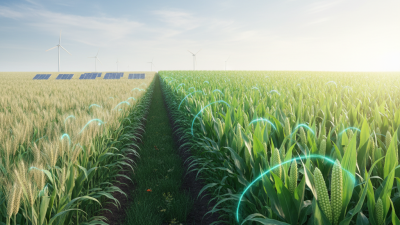
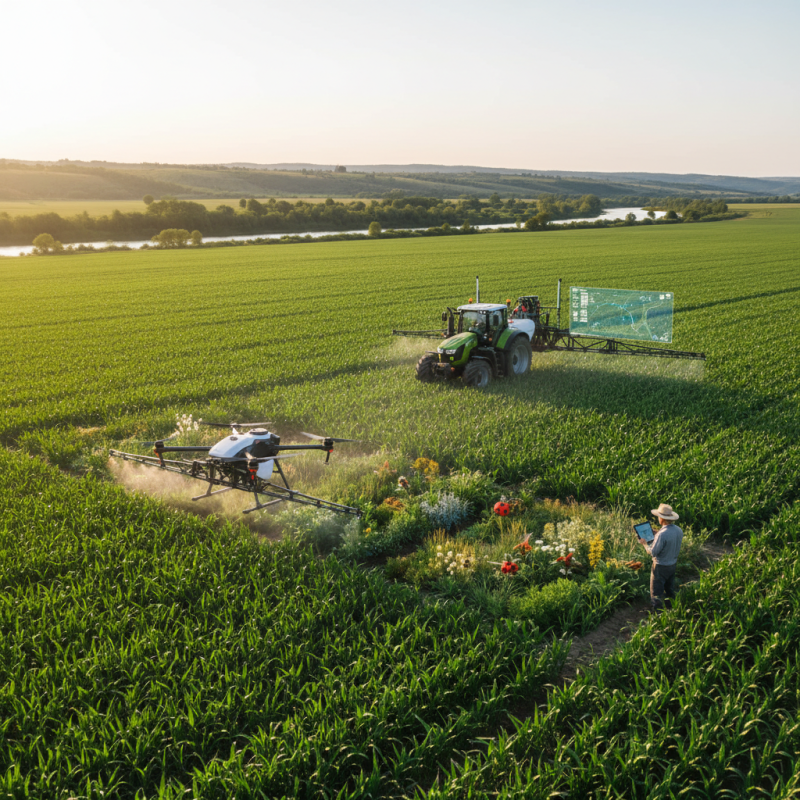
The integration of advanced technology in crop protection has revolutionized modern agriculture, significantly enhancing the efficiency and effectiveness of pest management strategies. Precision agriculture tools, such as drones and satellite imaging, enable farmers to monitor crop health and identify problem areas in real time. These technologies facilitate targeted interventions, ensuring that pesticides and fertilizers are applied only where necessary, which not only minimizes environmental impact but also reduces costs for growers.
Additionally, the use of smart sensors and data analytics allows for better prediction of pest outbreaks and crop diseases. By analyzing weather patterns and soil conditions, farmers can optimize their pest control measures, implementing them at the most effective moments. This data-driven approach not only helps in managing existing threats but also fosters proactive strategies that can prevent future infestations, supporting sustainable agricultural practices in the long run.
Top Strategies for Effective Crop Protection in Modern Agriculture
Sustainable Practices for Long-Term Crop Health and Resilience
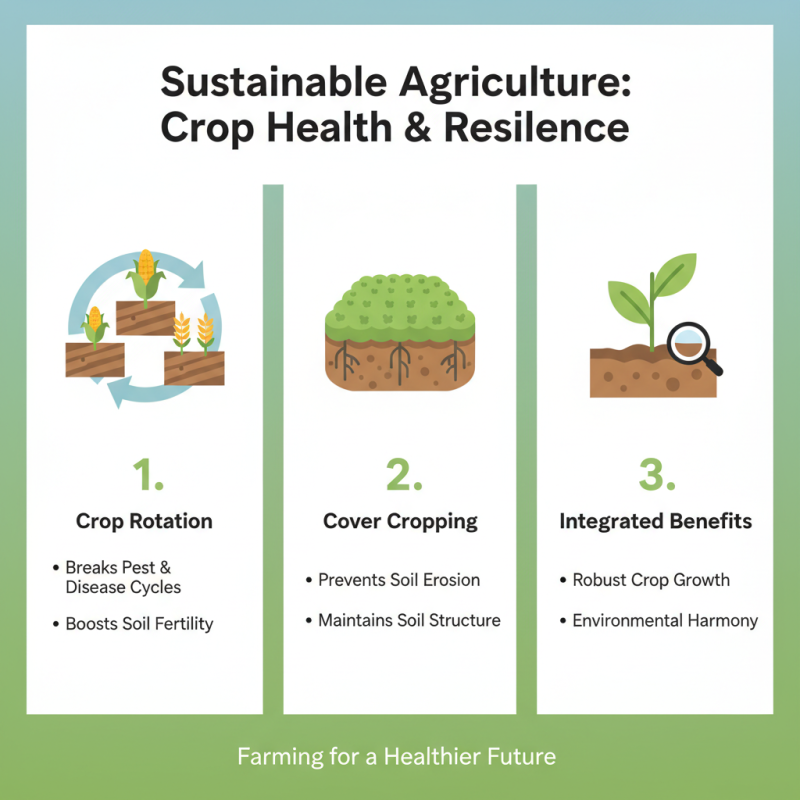
Sustainable practices play a critical role in enhancing crop health and resilience in modern agriculture. One effective strategy is the integration of crop rotation, which involves changing the type of crops grown on a particular piece of land each season. This method not only helps in breaking pest and disease cycles but also improves soil fertility by allowing different plants to contribute unique nutrients to the soil. Additionally, cover cropping can be employed to safeguard soil from erosion and maintain its structure, ultimately leading to more robust crop growth.
Another essential aspect of sustainable crop protection is the use of biological control methods, which utilize natural predators or pathogens to manage pests and diseases. This approach reduces the reliance on chemical pesticides and promotes a healthier ecosystem. Furthermore, implementing precision agriculture techniques allows farmers to monitor crop health and pest populations in real time, facilitating targeted interventions that protect crops while minimizing environmental impact. Such practices contribute to both immediate productivity and long-term sustainability, ensuring that agricultural systems remain resilient in the face of changing environmental conditions.